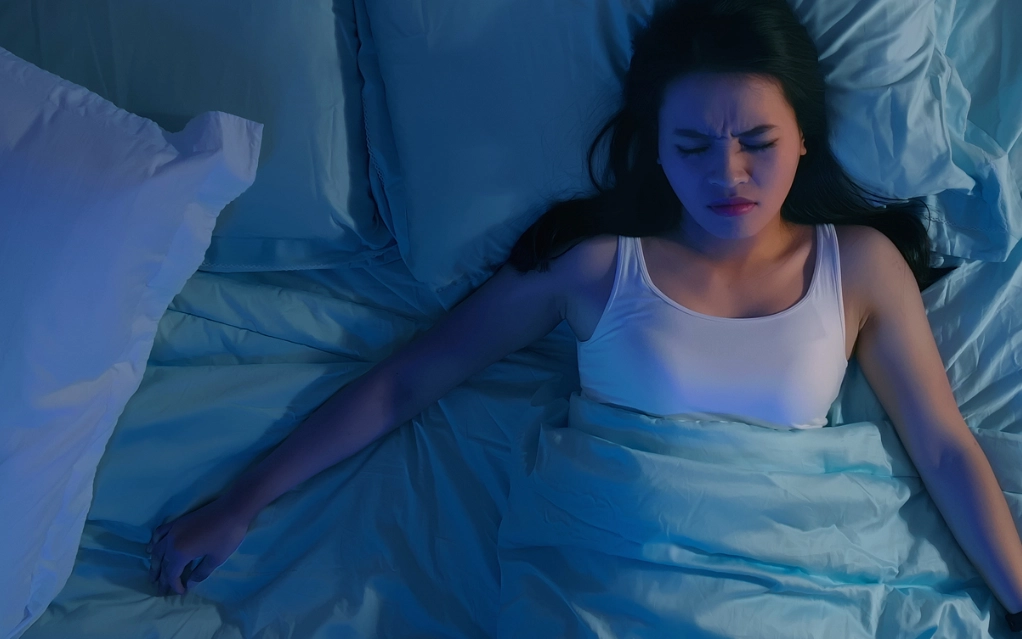
If you're searching for the most successful treatment for sleep apnea, you've probably heard one word over and over: CPAP. Continuous Positive Airway Pressure therapy is the undisputed gold standard, the treatment doctors reach for first. But here's the truth most articles don't tell you—calling CPAP the "most successful" is a bit of a trick question. Success isn't just about the machine; it's about you actually using it. A CPAP machine sitting in a closet is a 0% effective treatment, no matter how advanced its algorithms are.
I've talked to hundreds of patients over the years, and the journey to quiet, restful sleep is never one-size-fits-all. The most successful sleep apnea treatment is the one you can stick with consistently, the one that fits your life, your anatomy, and your specific type of apnea (obstructive vs. central). Let's cut through the noise and look at what really works, why it works, and how to make it work for you.
Your Quick Guide to Sleep Apnea Treatments
- The Gold Standard: Why CPAP Reigns Supreme
- How to Actually Make CPAP Work for You
- Effective Alternatives When CPAP Isn't an Option
- Is Sleep Apnea Surgery a Permanent Fix?
- The Foundation: Lifestyle Changes That Matter
- How to Find Your Most Successful Treatment
- Your Sleep Apnea Treatment Questions Answered
The Gold Standard: Why CPAP Reigns Supreme
Let's get this out of the way. For moderate to severe obstructive sleep apnea (OSA), CPAP is the most clinically effective treatment we have. The data from places like the American Academy of Sleep Medicine is overwhelming. It works by delivering a gentle stream of pressurized air through a mask, acting as a pneumatic splint to keep your airway open all night.
The benefits when used correctly are almost immediate:
- Eliminates Apneas and Hypopneas: It directly stops the breathing events that define the disorder.
- Dramatically Improves Sleep Quality: You stop micro-arousing hundreds of times a night.
- Reduces Daytime Sleepiness: This is the big one for most people. The fog lifts.
- Lowers Long-Term Health Risks: Consistent use is linked to reduced risk of hypertension, stroke, and heart problems.
How to Actually Make CPAP Work for You
This is where the rubber meets the road. The biggest failure point for CPAP therapy isn't the technology; it's comfort and habit formation. About 30-50% of people struggle with long-term adherence. Here’s how to beat those odds.
The Mask is Everything
Forget the machine for a second. The interface—the mask—is your make-or-break component. The wrong mask feels like torture. The right one you barely notice.
Nasal pillows are great if you breathe through your nose and move around a lot. They're minimal. Nasal masks cover just your nose and are stable. Full-face masks are necessary if you're a mouth breather, but they can feel claustrophobic. Insist on trying multiple types during your setup. Most suppliers have a 30-day mask exchange policy—use it.
Modern Machines Are Smarter (and Quieter)
Gone are the days of loud, single-pressure bricks. Today's APAP (Auto-PAP) machines self-adjust within a range all night. They have humidifiers to prevent dryness, heated tubes to stop rainout (that annoying condensation in the mask), and Bluetooth that sends data to your doctor. This tech solves a lot of old complaints.
Consider Mark, a 45-year-old truck driver I worked with. He hated his old CPAP. The mask leaked, his nose was always dry, and the noise bothered his wife. We switched him to a modern APAP with a nasal pillow mask and a climate-control tube. The machine auto-adjusted to his changing needs on the road (sleeping in a cab vs. a hotel), and the data showed he was using it over 7 hours a night. His success wasn't magical; it was about matching the right tools to his specific life.
Effective Alternatives When CPAP Isn't an Option
CPAP might be the gold standard, but it's not the only currency. For mild to moderate OSA, or for people who simply cannot tolerate CPAP, other sleep apnea treatments can be highly successful.
Oral Appliance Therapy (OAT)
Think of this as a custom-fit mouthguard that gently positions your lower jaw forward, pulling the tongue and soft tissues away from the airway. It's less effective than CPAP for severe apnea, but for the right patient, the success rate is excellent because people actually wear them. Compliance is often over 80%.
You must get this from a qualified dentist trained in dental sleep medicine. A boil-and-bite sports guard from the pharmacy is useless and potentially dangerous. The process involves impressions, fittings, and follow-up sleep studies to verify effectiveness. It's an investment, but for many, it's the difference between untreated apnea and consistent therapy.
Positional Therapy
Some people only have events when sleeping on their back (supine apnea). For them, a simple fix can be remarkably successful. This isn't just about sewing tennis balls into your pajamas. Wearable devices like vibration belts or specialized pillows can gently train you to stay off your back. It's a low-cost, low-tech solution that works for a specific subset of people.
Is Sleep Apnea Surgery a Permanent Fix?
Surgery aims to physically enlarge or stabilize the airway. It's invasive, carries risks, and isn't always a cure. But in select cases, it can be the most successful long-term sleep apnea treatment.
Success depends entirely on the specific procedure and the specific cause of your obstruction. A common mistake is thinking of "sleep apnea surgery" as one thing. It's a toolbox.
| Procedure | Target Area | Best For | Success & Considerations |
|---|---|---|---|
| Uvulopalatopharyngoplasty (UPPP) | Soft palate, tonsils, uvula | Visible excess tissue in the throat | Success rates vary (40-60%). Can be painful. May not address tongue-based collapse. |
| Inspire Therapy | Hypoglossal nerve (tongue) | Moderate-severe OSA, CPAP intolerant, tongue-based collapse | A pacemaker for the tongue. High patient satisfaction. Requires implant surgery and CPAP qualification first. |
| Maxillomandibular Advancement (MMA) | Upper and lower jaw | Severe OSA with facial skeletal deficiency | Considered the most effective surgery for severe OSA (>90% success). Major orthognathic surgery with long recovery. |
| Nasal Surgery (Septoplasty/Turbinate Reduction) | Nasal passages | Severe nasal obstruction | Rarely cures OSA alone but can dramatically improve CPAP comfort and effectiveness. |
My view on surgery? It's a powerful option, but never a first step. Exhaust conservative measures first. And if you go the surgical route, choose a surgeon who does these procedures frequently and works within a multidisciplinary sleep team.
The Foundation: Lifestyle Changes That Matter
No discussion of successful treatment is complete without this. For some with mild sleep apnea, lifestyle interventions can be the primary and most successful treatment. For everyone else, they make your primary therapy (CPAP, oral appliance) work better.
Weight loss: Even a 10% reduction in body weight can significantly reduce the severity of OSA. It shrinks fat deposits in the tongue and throat. But it's hard, and apnea itself makes weight loss harder by disrupting metabolism-regulating hormones. It's a vicious cycle that often needs medical therapy to break first.
Avoiding alcohol and sedatives: These relax your airway muscles, making collapse more likely. That nightcap might help you fall asleep, but it worsens your apnea. It's a direct trade-off.
Exercise: Improves muscle tone overall, including in the upper airway. It also aids weight loss and improves sleep quality independently.
How to Find Your Most Successful Treatment
So, how do you navigate this? It's a process.
Step 1: Get a Proper Diagnosis. A home sleep test or in-lab polysomnography is non-negotiable. You need to know your Apnea-Hypopnea Index (AHI), the type of apnea, and its severity. Guessing is pointless.
Step 2: Have an Honest Conversation with Your Sleep Specialist. Discuss your lifestyle, job, sleeping habits, and fears. Are you claustrophobic? Do you travel constantly? Do you have severe nasal congestion? This info guides the choice.
Step 3: Commit to a Trial Period. Whether it's CPAP or an oral appliance, give it a real shot with professional support. Use the data from your machine. Attend follow-up appointments. Adjust.
Step 4: Re-evaluate if Needed. If, after a genuine effort, the first treatment is a failure, move on. The sequence is usually: CPAP trial -> Oral Appliance Trial (for eligible patients) -> Consideration of surgical options. This is the standard of care pathway recommended by sleep medicine authorities.
Your Sleep Apnea Treatment Questions Answered
I hate my CPAP mask. Does that mean the treatment has failed for me?
Not at all. It likely means you have the wrong mask or settings. Discomfort is the number one reason for CPAP failure, and it's almost always fixable. Go back to your equipment provider and demand a mask fitting session. Try three different styles. Adjust the headgear. Ramp the pressure. Use the humidifier. Don't suffer in silence—this is a solvable problem.
My partner says I still snore with my oral appliance. Is it working?
It might be, but it needs checking. Some gentle snoring can persist even with effective therapy. The key is whether your breathing events (apneas/hypopneas) have stopped. The only way to know for sure is a follow-up sleep study while wearing the device. Your dentist or sleep doctor can order this. Don't rely on snoring alone as a gauge; it's an indicator, not the full story.
Is there a new "pill" or quick fix for sleep apnea coming soon?
I get asked this constantly. While there's exciting research into drugs that target upper airway muscle tone or respiratory control, there is no FDA-approved medication to cure sleep apnea as of now. Be wary of supplements or gadgets making bold claims. The established, evidence-based treatments are CPAP, oral appliances, and surgery. Anything promising a miracle cure is likely exploiting your desperation.
If I feel better after a few nights on CPAP, can I stop using it?
This is a classic mistake. You feel better because the treatment is working. Sleep apnea is a chronic, anatomical condition. Stopping treatment means the obstruction returns immediately, along with all the health risks. Think of it like glasses for your airway. You wouldn't stop wearing your glasses just because you can see better with them on. CPAP is a management tool, not a cure (except in rare cases of significant weight loss resolving the issue).
How do I know if my sleep apnea treatment is truly successful?
Look for both subjective and objective signs. Subjectively: You wake up feeling refreshed, daytime sleepiness is gone, your mood is better, and your partner reports no more gasping or loud snoring. Objectively: Your therapy machine's data (for CPAP/APAP) shows a low residual AHI (usually 4 hours per night on 70% of nights). For any treatment, a follow-up sleep study is the gold standard for confirming effectiveness. Success is a combination of feeling better and the data proving your airway is staying open.
The bottom line? The most successful sleep apnea treatment is the one tailored to you that you use every single night. For most, that journey starts with a serious try at modern CPAP therapy. For others, it's a custom oral appliance or, in specific cases, surgery. Work with a dedicated sleep team, be patient through the adjustment period, and use the objective data to guide you. Quiet, restorative sleep isn't just a hope—it's an achievable goal with the right map.