For millions with food allergies, the simple act of dining out can feel like navigating a minefield. The fear isn't just about discomfort—it's about a potential medical emergency. But here's the truth I've learned after a decade of managing severe nut allergies for a family member: you can enjoy restaurants safely. It requires a strategy, not just hope. This guide cuts through the generic advice and gives you the actionable, often-overlooked steps that turn anxiety into confident enjoyment. Let's move beyond "be careful" and into the specifics of how to actually do it.
Your Safe Dining Roadmap
- Your Pre-Dining Strategy: Research and Communication
- At the Restaurant: The 5-Point Safety Check
- Beyond the Menu: Identifying Hidden Allergens and Cross-Contact
- Choosing the Right Restaurant: A Practical Comparison
- Emergency Preparedness: The Non-Negotiables
- Expert Answers to Your Toughest Questions
Your Pre-Dining Strategy: Research and Communication
Your safety starts long before you walk through the door. The most common mistake is picking a restaurant on a whim. Successful dining out with food allergies is 80% preparation.
First, research. I don't just mean checking Google reviews for "allergy-friendly." Look at the menu online. Is it a 50-item behemoth with everything from sushi to burgers? That's often a red flag for pre-made ingredients and a busy kitchen where cross-contact is high. I gravitate towards places with smaller, more focused menus—they tend to have better control over their ingredients.
Next, the call. This is your most important tool. Don't call during the Saturday dinner rush. Aim for a Tuesday or Wednesday afternoon, between 2-4 PM. You're more likely to get a manager or a chef who has time to talk.
Your Phone Script: "Hi, I'm considering dining with you and have a serious allergy to [e.g., dairy, peanuts, shellfish]. I wanted to ask about your procedures for handling food allergies. Is there a manager or chef I could speak with briefly about my options?" This frames it as a serious inquiry, not just a casual question.
Ask specific questions: Do they have a dedicated allergen preparation area? Can they cook my food in a clean pan with fresh oil? Do they use shared fryers? (This one is a huge, often-hidden risk). Their answers will tell you everything. If the person sounds annoyed, vague, or says "We can't guarantee anything," take that as a hard stop. Thank them and move on. Your safety isn't worth their indifference.
At the Restaurant: The 5-Point Safety Check
You've done your homework and picked a promising spot. Now, the in-person protocol. This isn't about being difficult; it's about being clear and thorough.
- The Greeting: Mention your allergy when you're seated. Not just to the server, but if a manager is nearby, flag them down too. It ensures the message is logged at multiple points.
- The Menu Talk: Go beyond just saying "I'm allergic to nuts." Be hyper-specific. "I have a life-threatening allergy to peanuts and tree nuts, including cross-contact from oils, garnishes, and shared equipment." Use the term "life-threatening"—it changes the perceived risk level for the staff.
- The Ordering: Stick to simple dishes. A grilled piece of fish with steamed vegetables and plain rice is inherently safer than a complex sauce-laden entree. Ask how each component is prepared. That "seasonal vegetable medley" might be tossed in butter (dairy) or roasted in shared pans.
- The Kitchen Alert: A good restaurant will use a separate ticket, a colored allergy clip, or verbally call out the order to the kitchen. It's okay to politely ask, "Will my order be marked as an allergy in the kitchen?"
- The Final Check: When your food arrives, do a visual check. Does it look identical to what was described? If something looks suspicious (e.g., a dusting of grated cheese, a pesto swirl), ask again before taking a bite. It's your last line of defense.
I once watched a server bring a "dairy-free" soup with a clear film of melted butter on top. The visual check prevented a reaction.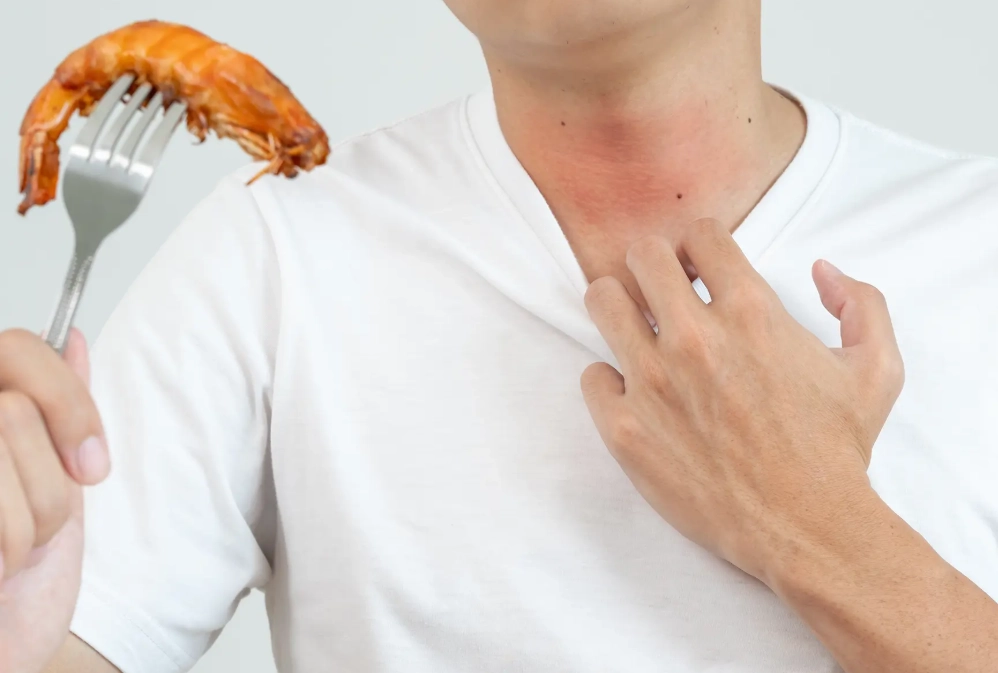
Beyond the Menu: Identifying Hidden Allergens and Cross-Contact
Menus lie by omission. The ingredients listed are only part of the story. The real danger is in the prep. Here’s where most guides fall short—they don't dig into the micro-details of a commercial kitchen.
Let's break down hidden risks by common allergen:
- Dairy: Hidden in grilled items (butter on the grill for "flavor"), mashed potatoes, scrambled eggs (often milk added), sauces (béarnaise, alfredo, even some marinara can have butter), and salad dressings.
- Peanuts/Tree Nuts: The fryer is enemy number one. Egg rolls, french fries, chicken tenders—if they share a fryer with anything breaded in peanut flour or containing nuts, it's contaminated. Also watch for pesto (pine nuts), certain dessert sauces, and "crunch" toppings on salads or Asian dishes.
- Gluten: Beyond bread, it's in soy sauce, many gravies and thickeners, fried foods (breading), and even some spice blends. Dedicated fryers are crucial here too.
- Shellfish: Fish sauce is in countless Southeast Asian dishes (even some that aren't obviously seafood-based). Stocks and broths, especially for soups and risottos, often contain shellfish shells for depth of flavor.
Your best defense is to ask: "Is there any chance [allergen] could come into contact with my food, even in small amounts, from shared equipment, fryers, or prep surfaces?"
Choosing the Right Restaurant: A Practical Comparison
Not all restaurants are created equal for allergy safety. Your experience will vary dramatically based on the establishment's size, training, and cuisine style. Here’s a realistic breakdown based on my own experiences.
| Restaurant Type | Potential Advantages | Common Challenges & Risks | Best For Allergies To... |
|---|---|---|---|
| High-End/Fine Dining | Often have detailed ingredient lists, chef attention, flexible menu changes, better staff training. | Complex sauces with many ingredients, higher risk of cross-contact in small, busy kitchens during prep. | Good for most, if you communicate clearly. Excellent for gluten/dairy if they cook from scratch. |
| Large Chain Restaurants (e.g., The Cheesecake Factory, Olive Garden) | Corporate-mandated allergy protocols, often have an allergen menu online or in-store, standardized recipes. | Massive menus increase risk of cross-contact. High staff turnover can lead to training gaps. Pre-made components are common. | Use their published allergen guides religiously. Often safer for single, common allergens. |
| Fast Casual (e.g., Chipotle, Five Guys) | Assembly-line style lets you see ingredients, often can skip problematic items. Some have strong policies (e.g., Five Guys' peanut oil disclaimer). | Shared utensils moving between ingredient bins is a major cross-contact vector. High customer volume. | Can be good for visual avoiders. Risk is utensil contamination. Ask for fresh ingredients from the back. |
| Ethnic Cuisine Restaurants (Thai, Vietnamese, Indian) | May use inherently allergen-free bases (rice, rice noodles). Can be very accommodating if you explain. | High use of common allergens as core ingredients (peanuts, tree nuts, dairy in ghee, shellfish in fish sauce). Language barriers can complicate communication. | Requires extreme diligence. Best if you know the cuisine's hidden ingredients and can speak to a knowledgeable owner. |
| Dedicated Allergy-Friendly Restaurants | Purpose-built to be safe. Often have separate kitchens, no allergens on premises. Ultimate peace of mind. | Rare, location-specific, and can be more expensive. | The gold standard for multiple or severe allergies. |
Emergency Preparedness: The Non-Negotiables
No matter how careful you are, you must be prepared for a reaction. This isn't pessimism; it's responsibility.
Always, always carry your epinephrine auto-injectors (e.g., EpiPen, Auvi-Q). Two is the standard recommendation. Check the expiration date monthly. Don't leave them in a hot car.
Have a plan. Does your dining companion know how to use your auto-injector? A quick 30-second refresher in the car before you go in is wise. Know that after using epinephrine, you must go to the emergency room immediately—the medication wears off, and a secondary reaction can occur.
I also carry a printed "chef card" in multiple languages. It clearly states my allergies, the severity, and requests regarding cross-contact. Handing a physical card to the chef reduces miscommunication. You can create these easily through organizations like Food Allergy Research & Education (FARE).
Expert Answers to Your Toughest Questions
 How do I handle dessert? It feels impossible.