You're standing at the base of a mountain, cold air biting your cheeks, and you have to decide: snowboard or skis? It's a classic winter dilemma. I've spent over a decade on slopes from Colorado to the Alps, teaching both sports, and I'll tell you straight—there's no one-size-fits-all answer. But by the end of this guide, you'll know exactly which one fits your style, budget, and fitness level. Let's cut through the hype and get real.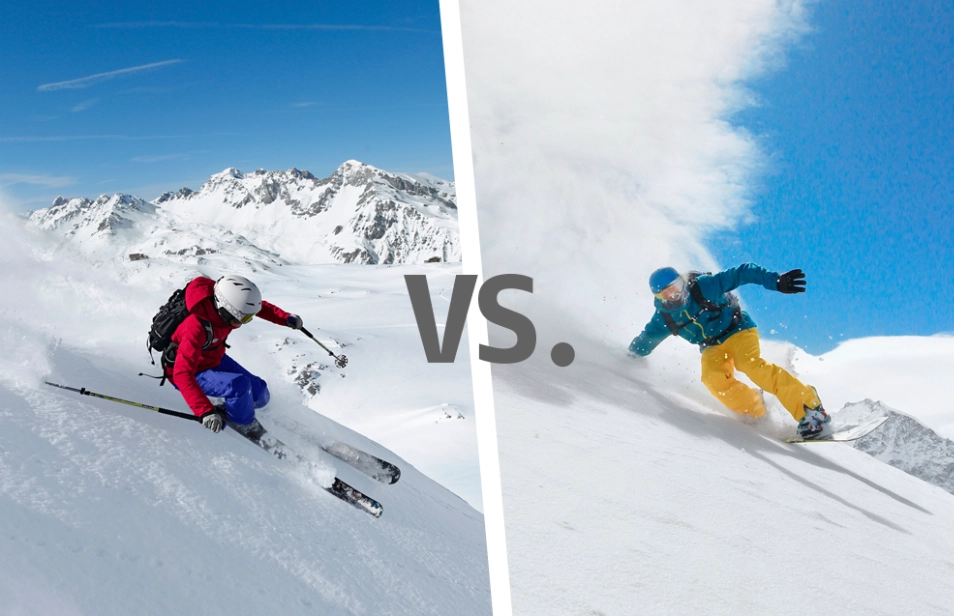
What You’ll Find in This Guide
- Understanding the Basics: What Are Snowboarding and Skiing?
- Learning Curve: Which is Easier to Learn?
- Cost Comparison: Gear, Lessons, and Lift Tickets
- Fitness and Physical Demands
- Terrain and Versatility
- Safety and Injury Risks
- Making Your Choice: A Step-by-Step Decision Guide
- FAQ: Your Burning Questions Answered
Understanding the Basics: What Are Snowboarding and Skiing?
Snowboarding involves standing sideways on a single board, with both feet strapped in. It's like surfing on snow—fluid, carving turns with your whole body. Skiing uses two separate skis, one on each foot, and poles for balance. You face forward, moving independently with each leg. I remember my first time on a snowboard; I felt like a toddler learning to walk, but the freedom once you get it is unmatched. Skiing, on the other hand, felt more intuitive initially, but mastering parallel turns took years.
Both sports share common gear: helmets, goggles, and layers for warmth. But the core equipment differs. Snowboards are wider and shorter, while skis are longer and narrower. Bindings for skiing release automatically in falls, a safety feature that snowboard bindings lack—something many beginners overlook.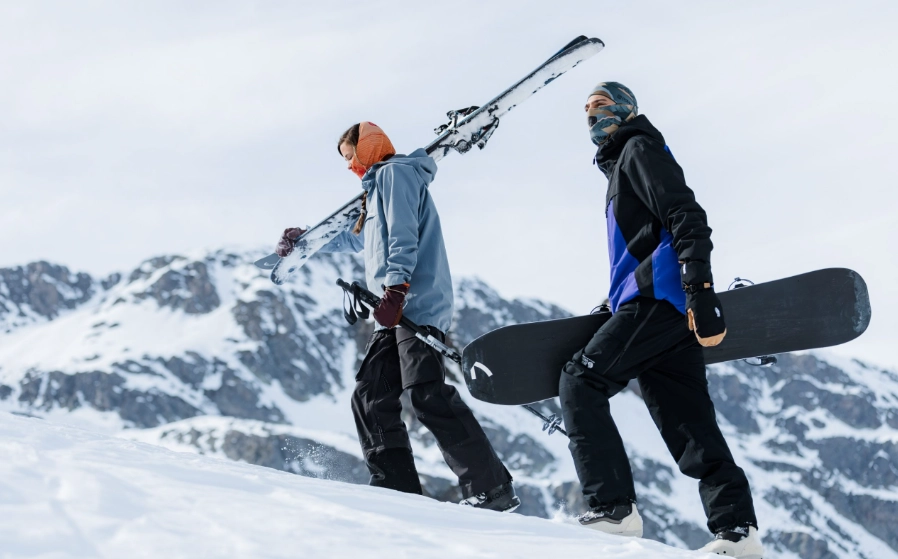
Learning Curve: Which is Easier to Learn?
This is the big question everyone asks. From my teaching experience, skiing has a gentler start. On day one, you can shuffle around on flat terrain, get a feel for the skis, and even do a basic snowplow to control speed. It's less intimidating because you can use poles for support. But progress plateaus quickly; going from snowplow to parallel skiing is a steep hill.
Snowboarding is brutal at first. You'll spend hours on your butt, struggling to stand up or link turns. The International Ski Instructors Association notes that beginners often find snowboarding more frustrating initially. But here's the twist: once you get past the first two days, snowboarding progression can be faster. By day three, many riders are making smooth turns, while skiers are still wrestling with technique.
The First Day on the Slopes
Imagine this: you rent gear at a resort like Whistler Blackcomb. For skiing, you'll likely start on a gentle green run, learning to slide and stop. For snowboarding, you might be on a magic carpet area, practicing heel-side slides. I've seen skiers smile more on day one, but snowboarders often have bigger grins by week's end.
Common Mistakes and How to Avoid Them
New skiers lean back too much, causing loss of control. New snowboarders strap their bindings too tight, cutting off circulation—a subtle error I made myself. Loosen them a notch; your feet will thank you. Also, many assume snowboarding requires less balance, but it demands more core engagement from the get-go.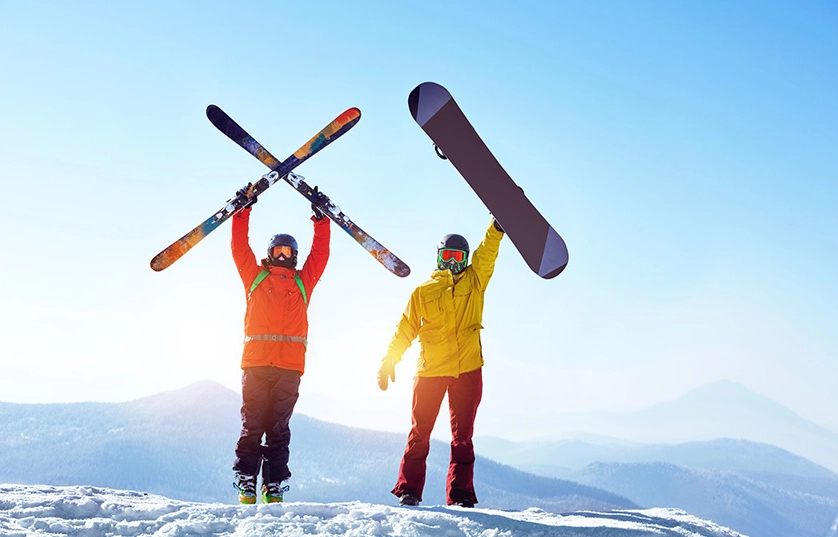
Cost Comparison: Gear, Lessons, and Lift Tickets
Let's talk money. Winter sports aren't cheap, but you can manage costs with smart choices. I've broken down typical expenses for a weekend trip to a mid-range resort in the U.S., like Park City Mountain Resort.
| Expense | Snowboarding (Approx.) | Skiing (Approx.) |
|---|---|---|
| Gear Rental (per day) | $35 - $50 | $40 - $60 |
| Group Lesson (2 hours) | $80 - $120 | $80 - $120 |
| Lift Ticket (per day) | $100 - $150 | $100 - $150 |
| Initial Gear Purchase | $400 - $800 | $500 - $1000 |
Snowboarding gear tends to be a bit less expensive upfront. A decent starter snowboard package might run $500, while skis, boots, and poles can hit $700. But don't forget maintenance—ski edges need tuning more often, adding $30-50 per season. Snowboards are simpler; a wax job costs about $20.
If you're on a tight budget, consider used gear. I bought my first snowboard from a local shop's offseason sale for $250, and it lasted three seasons. Ski gear depreciates faster, so you can find deals on sites like eBay or at ski swaps.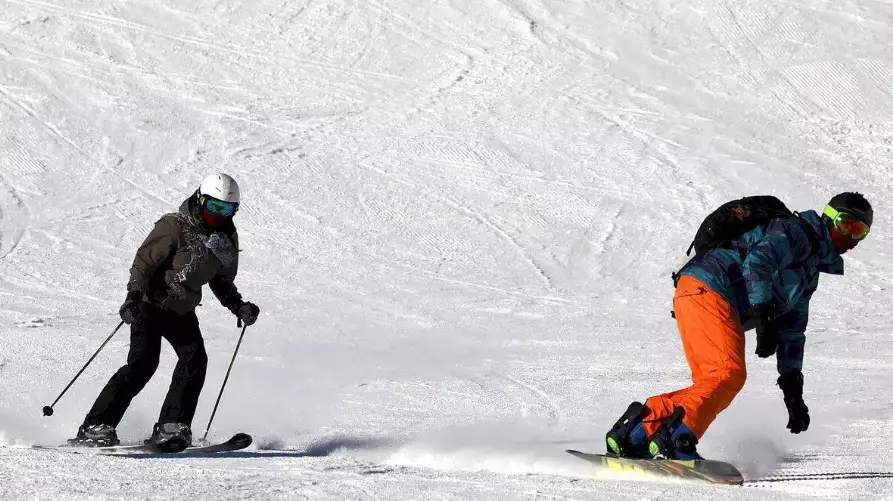
Fitness and Physical Demands
Your body will feel it differently. Skiing is a leg-dominant sport—quads and calves burn after a long day. It's like doing endless squats. Snowboarding engages your core and hips more; you'll feel it in your abs and lower back. I've had friends switch from skiing to snowboarding and complain about sore obliques they never knew existed.
For fitness levels, skiing is kinder to beginners with weaker cores. But snowboarding can be better for people with knee issues, since the board moves as one unit, reducing twisting forces on the knees. A study from the American Journal of Sports Medicine highlights that skiing has higher rates of knee injuries, while snowboarding sees more wrist and ankle sprains.
If you're out of shape, start with skiing. The poles offer support, and you can take breaks more easily. Snowboarding requires constant balance, which tires you faster initially.
Terrain and Versatility
Where do you want to ride? Skiing excels in varied terrain—groomed runs, moguls, trees, and backcountry. With skis, you can navigate flat sections using poles, something snowboarders hate (they have to unstrap and walk). In deep powder, snowboarding feels more natural; the board floats on top, offering a surf-like experience. I've chased powder days in Japan, and on a snowboard, it's pure bliss.
Skiing is more versatile for all-mountain exploration. At resorts like Aspen Snowmass, skiers can easily hop between steep chutes and gentle cruisers. Snowboarders might struggle in icy conditions or tight trees due to the sideways stance. But in terrain parks, snowboarding dominates—the tricks and jumps feel more fluid. If you dream of hitting halfpipes, go snowboarding.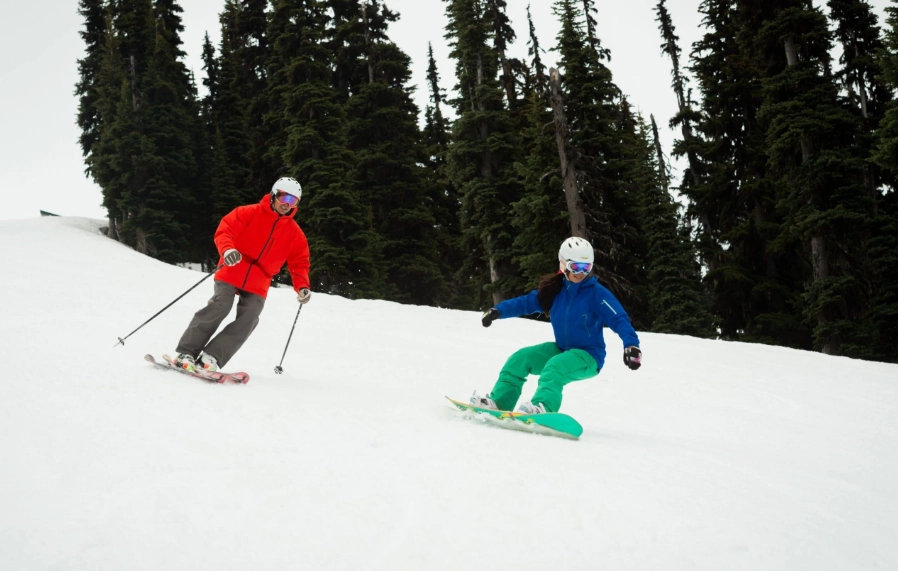
Pro tip: Many resorts now design slopes with both sports in mind. Check trail maps for "snowboard-friendly" zones with fewer flat areas. For example, Mammoth Mountain in California has wide-open bowls perfect for carving on either gear.
Safety and Injury Risks
Safety first, always. From my experience and data, skiing tends to have more serious injuries, especially to the knees (ACL tears are common). The release bindings help, but high-speed falls can be nasty. Snowboarding injuries are often less severe but more frequent in the beginning—wrist fractures from trying to break falls. I've seen countless new riders forget wrist guards; don't be that person.
Helmet use is non-negotiable for both. The National Ski Areas Association reports that helmet usage has increased to over 80% in recent years, reducing head injuries. Also, snowboarders face more ankle sprains due to the fixed bindings. To mitigate this, invest in boots with good support and consider lessons to learn proper falling techniques.
Weather matters too. In low visibility, skiing might be safer because you face forward, but snowboarding's lower center of gravity can help in windy conditions. Honestly, most accidents happen from fatigue—know when to call it a day.
Making Your Choice: A Step-by-Step Decision Guide
Still undecided? Let's break it down. Ask yourself these questions:
- Age and fitness: Under 30 and decently fit? Try snowboarding. Over 40 or have knee issues? Skiing might be better. I taught a 55-year-old who picked up skiing in a weekend; snowboarding would have been tougher on his joints.
- Budget: If money's tight, snowboarding gear is slightly cheaper, but lessons cost the same. Factor in travel—some resorts offer package deals for beginners.
- Goals: Want to cruise blues with friends? Skiing. Dream of park tricks? Snowboarding. Planning backcountry tours? Skiing has an edge with skins for uphill travel.
- Personality: Are you patient with a high pain tolerance? Snowboarding. Prefer quick wins and structure? Skiing.
Here's a scenario: You're a 25-year-old with good balance, planning a week in Breckenridge. Rent a snowboard for two days, take a lesson, and see how it feels. If you hate it, switch to skis—many rental shops allow swaps. I did this with a friend; he ended up loving snowboarding after initial struggles.
Ultimately, try both. Most mountain towns have discovery programs. For instance, at Lake Tahoe resorts, you can book a combo lesson for a taste of each. It's worth the extra $50 to avoid regret.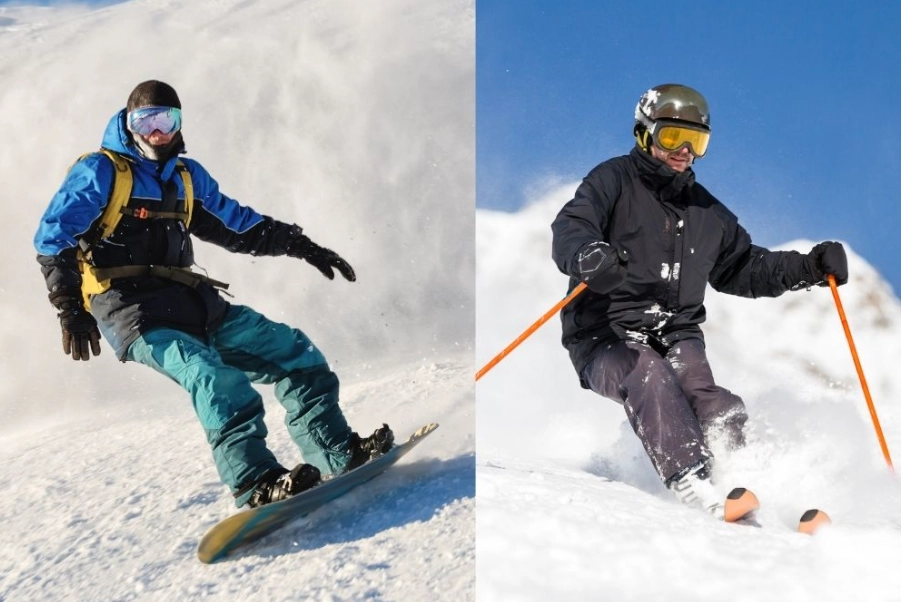
FAQ: Your Burning Questions Answered
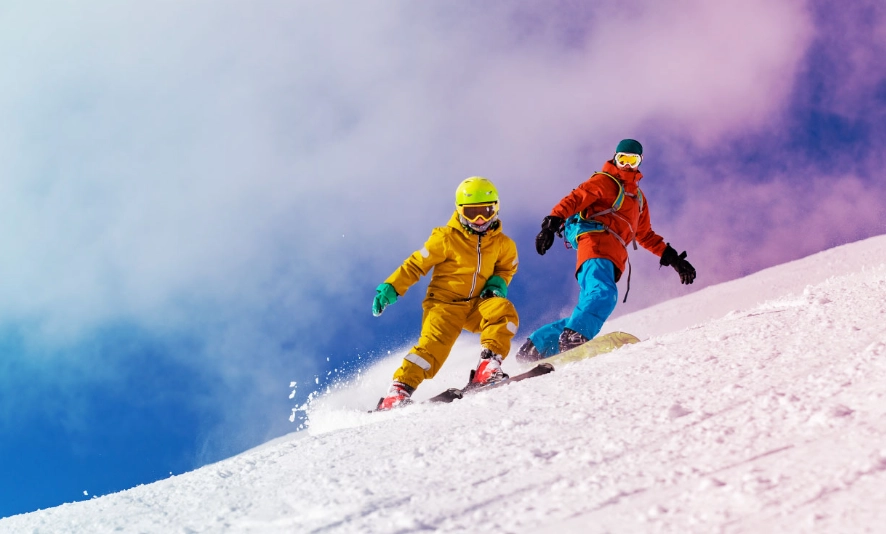 I have a bad knee from old sports injuries. Should I avoid skiing or snowboarding?
Wrapping up, the snowboarding vs skiing debate boils down to personal preference. Skiing offers quicker initial gratification and versatility, while snowboarding delivers a unique, flowing ride once you push past the early falls. Whichever you choose, get out there—the mountains are calling. And remember, the best sport is the one that gets you stoked to hit the slopes again. See you on the hill!