Let's cut to the chase. The idea of a Japanese onsen is magical—steaming natural baths, stunning landscapes, profound relaxation. The reality for a first-timer can be intimidating. Naked? What are the rules? Which one do I choose? I remember my first visit, nervously fumbling with the tiny towel, utterly confused about where to soap up. I've spent over a decade living in and traveling around Japan, and I've made every awkward mistake so you don't have to. This guide isn't just a list of hot springs; it's the manual I wish I'd had, designed to transform your anxiety into anticipation.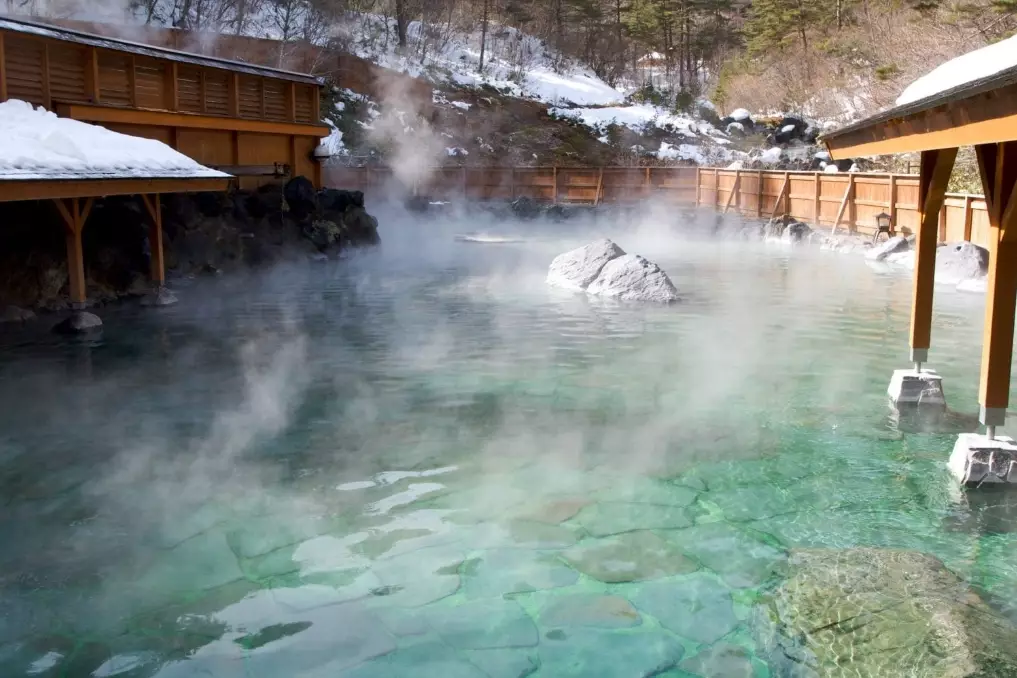
Your Onsen Journey Starts Here
What Exactly is a Japanese Onsen? (It's More Than Just Hot Water)
In Japan, not all hot baths are created equal. By legal definition, an onsen is a natural hot spring that must contain at least one of 19 designated minerals (like sulfur, sodium chloride, or iron) and emerge from the ground at 25°C (77°F) or warmer. This is regulated by the Ministry of the Environment. The water is heated geothermally, often by Japan's abundant volcanic activity. A sento, on the other hand, is a public bathhouse using heated tap water. The mineral content is what gives onsens their distinctive colors, smells (yes, some smell like rotten eggs due to sulfur), and purported therapeutic properties.
The culture runs deep—literally for over a thousand years. Bathing was initially tied to Shinto purification rituals and later Buddhist practices. It evolved into a communal social activity, a place to unwind, connect, and heal. Today, it's a cornerstone of Japanese hospitality (omotenashi) and relaxation.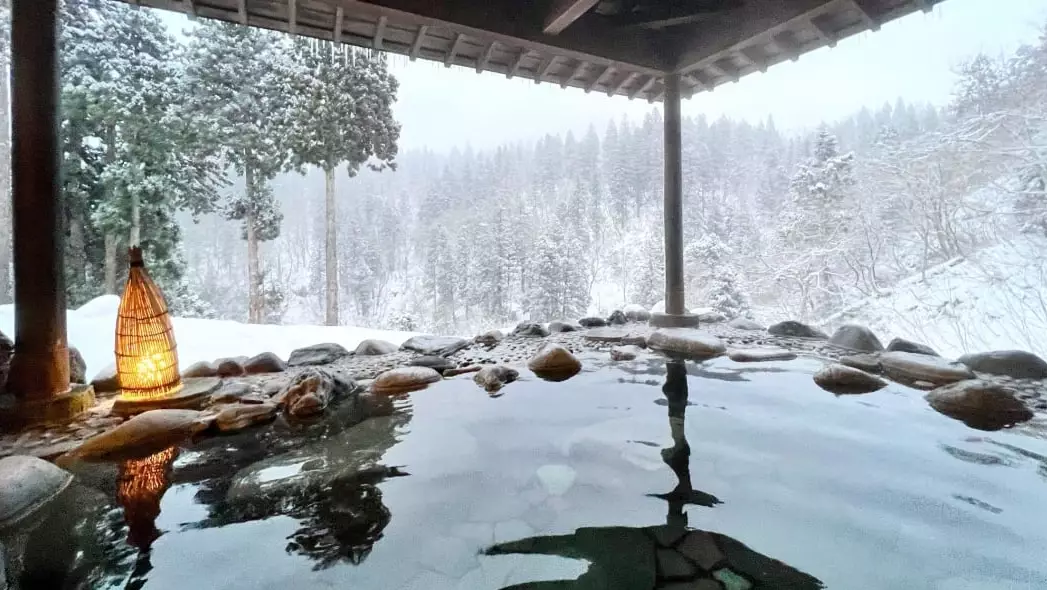
Japanese Onsen Etiquette: The Non-Negotiable Rules
This is where most nervousness lives. The rules exist for hygiene and respect, not to trip you up. Follow these, and you'll blend right in.
The Step-by-Step Bathing Process
1. Undress in the Changing Room: Leave everything in the locker or basket. No swimsuits, no underwear. Bring only the small towel provided (or rent one). This is the biggest hurdle for many, but everyone else is in the same state. Focus on the experience, not the exposure.
2. Wash Thoroughly Before Entering: This is the most critical rule. Go to the washing station (a row of stools with showers, mirrors, and bowls). Sit on a stool, soap up, and rinse every bit of suds off your body and hair. The onsen water is for soaking, not cleaning. The small towel can be used to modestly cover yourself while walking or for washing (but wring it out completely before getting up).
3. Enter the Bath Gently: Rinse off your stool and area. Slowly enter the hot water. No splashing, swimming, or dunking your head. Place your folded small towel on the edge of the bath or on your head—never let it touch the water.
4. Soak, Relax, Repeat: Soak for 5-10 minutes at a time. It's common to try different temperature baths. Stay hydrated. When you're done, pat yourself dry with the small towel before returning to the changing room to avoid making the floor slippery.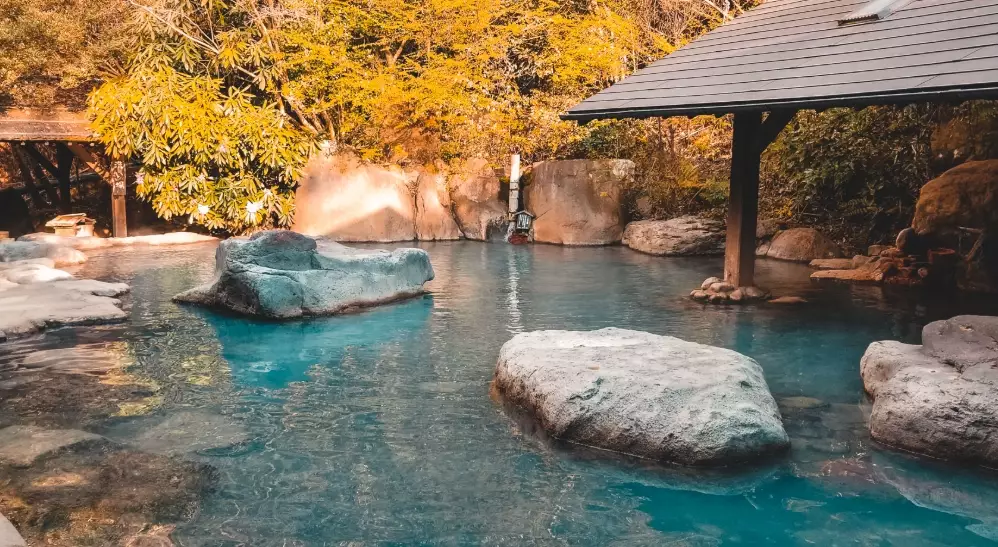
Common Etiquette Pitfalls to Avoid
- No Tattoos? This is changing, but many public onsens still prohibit visible tattoos due to their historical association with organized crime. Always check the policy. Private onsens in ryokans or "tattoo-friendly" establishments are your best bet.
- Long Hair: Tie it up so it doesn't touch the water.
- No Noise: Keep conversations low. This is a place of quiet contemplation.
- Don't Drink Alcohol in the Bath: It's a major safety risk due to increased heart rate and potential dizziness.
How to Choose the Right Onsen for You?
With thousands of onsens, picking one can be paralyzing. Break it down by what matters to you.
| Onsen Type | Best For | What to Expect | Approx. Cost (Bath Only) |
|---|---|---|---|
| Public Onsen (Konyoku) | Budget travelers, local experience | Separate male/female baths, basic facilities, often in towns. | ¥400 - ¥1,000 |
| Onsen Ryokan (Inn) | The full cultural immersion, luxury | Staying overnight, kaiseki meals, private & communal baths, yukata robes. | ¥15,000 - ¥50,000+ per person/night (with meals) |
| Day-Trip Onsen (Higaeri Onsen) | Travelers on a tight schedule | Often attached to a ryokan or resort, pay-per-use, good facilities. | ¥800 - ¥2,500 |
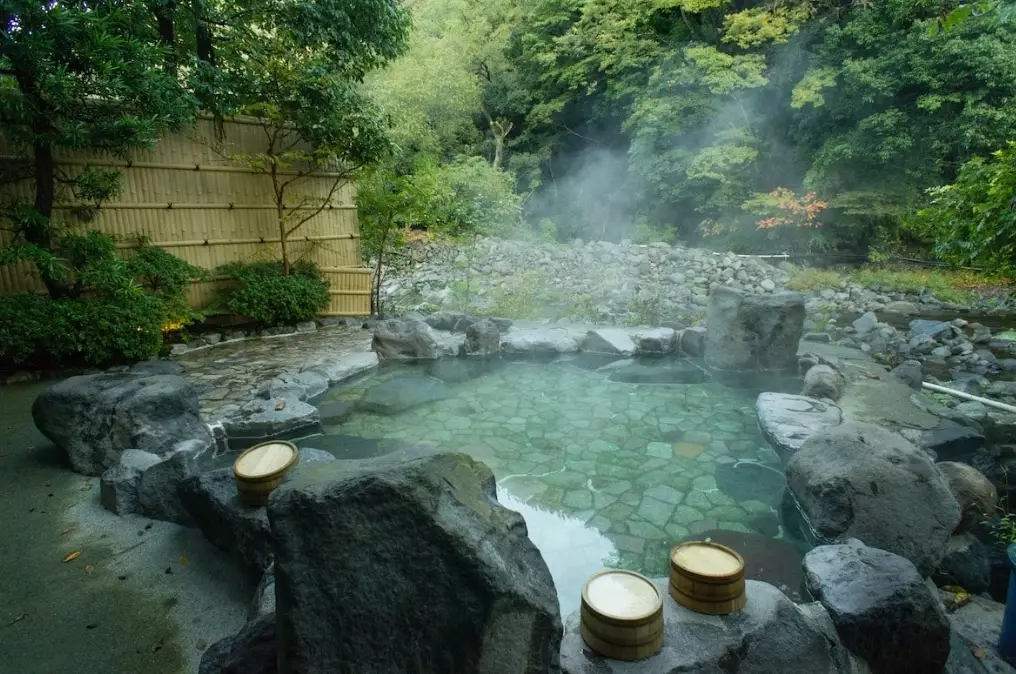
| Rotemburo (Outdoor Bath) | Nature lovers, scenic views | Bathing surrounded by rocks, gardens, mountains, or sea. Can be mixed-gender or separate. | Varies (often part of above types) |
Water Type (Yu no shitsu): This affects the experience. Sulfur springs (milky white, distinctive smell) are great for skin but the smell lingers. Simple thermal springs (clear, mild) are gentle for first-timers. Sodium chloride springs (salty) are warming and leave skin smooth.
Location & Vibe: Do you want a rustic mountain retreat in Hokkaido or a seaside view in Kyushu? A bustling resort town like Hakone or a remote, secluded spot?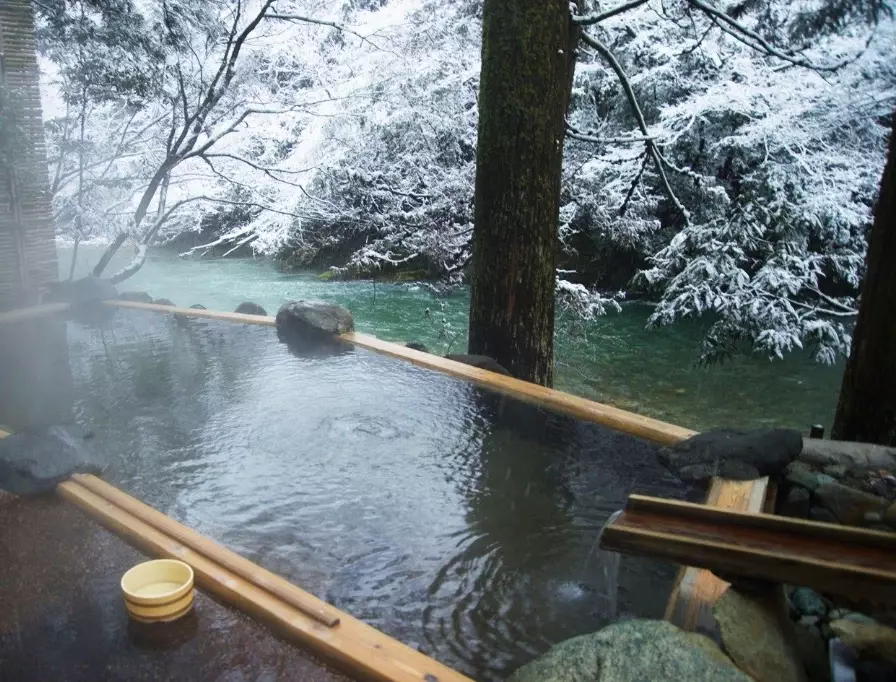
Top Onsen Destinations & Ryokan Stays
Here are three distinct destinations that offer incredible experiences. I'm including specific places I've stayed at or visited multiple times.
1. Kusatsu Onsen (Gunma Prefecture)
Often ranked Japan's best onsen town for water quality. The iconic Yubatake ("hot water field") in the town center is a must-see. The sulfuric, acidic water is potent.
- Must-Try Bath: Sainokawara Rotemburo, a massive open-air rock bath by a river. Address: 521-3 Kusatsu, Agatsuma District, Gunma. Day-use fee: ~¥1,000. It feels primal and powerful.
- Ryokan Pick: Nishimuraya Hotel Shogetsu. A mid-range ryokan with excellent service, multiple in-house baths (including a cave bath), and great food. Address: 433 Kusatsu, Agatsuma District, Gunma. Price: From ~¥25,000 per person with two meals.
2. Hakone (Kanagawa Prefecture)
The classic choice for proximity to Tokyo (about 90 mins). Offers mountain views, lake views, and the chance to see Mt. Fuji on a clear day.
- Must-Try Bath: Ten-yu's rooftop rotemburo. This modern ryokan's outdoor baths offer stunning panoramic mountain views. Day-use is sometimes available, but staying is better. Address: 191 Hakone, Ashigarashimo District, Kanagawa.
- Ryokan Pick: Gora Kadan. The ultimate splurge. A former imperial villa turned luxury ryokan. Impeccable service, exquisite kaiseki, and beautiful private onsens in some rooms. Address: 1300 Gora, Hakone, Ashigarashimo District, Kanagawa. Price: From ~¥70,000 per person.
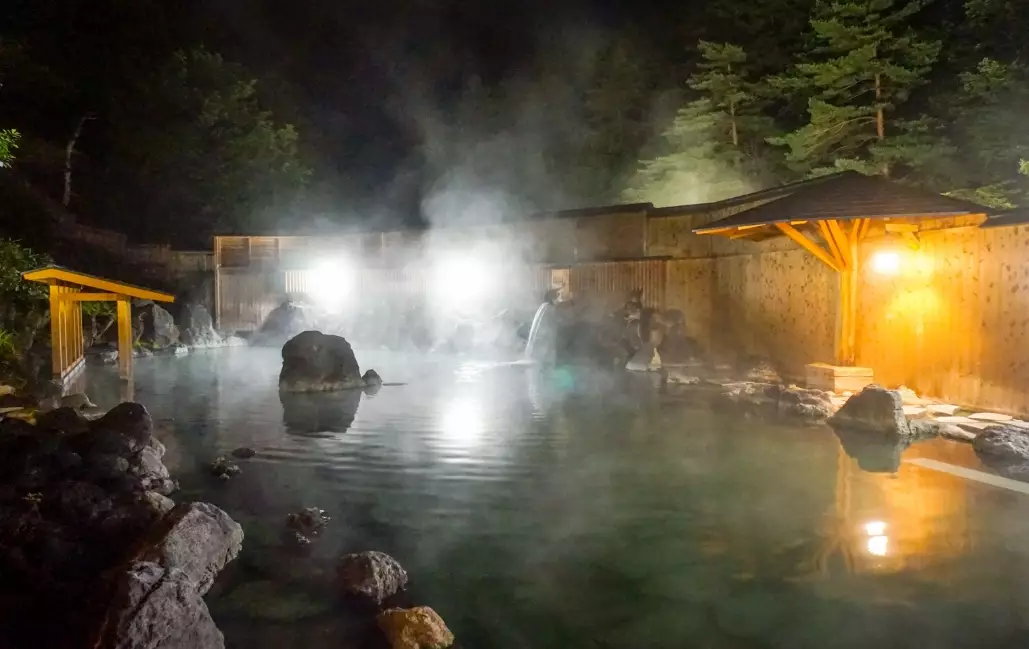
3. Beppu (Oita Prefecture, Kyushu)
The "Onsen Capital" with eight major "hells" (spectacular hot springs for viewing) and countless baths. The sand bath (sunayu) where you're buried in naturally heated sand is a unique must-do.
- Must-Try Bath: Takegawara Onsen for the historic main building and sand baths. Address: 16-23 Motomachi, Beppu, Oita. Bath fee: ¥250, Sand bath: ¥1,500.
- Ryokan Pick: Suginoi Hotel. A vast resort complex with a crazy "onsen theme park" vibe—multiple themed baths, water slides, and incredible views from its hilltop location. Great for families. Address: 1 Kankaiji, Beppu, Oita. Price: From ~¥15,000 per person with meals.
What are the Real Health Benefits of Onsen Bathing?
Beyond relaxation, the minerals are believed to offer specific benefits, though many studies are observational. The heat itself improves circulation, relieves muscle tension, and promotes better sleep. Different minerals target different issues:
- Carbonated Springs: Said to improve circulation for cold extremities.
- Sulfur Springs: Often recommended for chronic skin conditions like psoriasis or eczema.
- Sodium Chloride Springs: The "hot spring effect" of retained warmth is believed to help with muscle/joint pain.
A report from the Japan Onsen Association compiles much of this research. My personal, non-expert observation? The combination of heat, buoyancy, and forced digital detox does wonders for mental stress that is hard to quantify.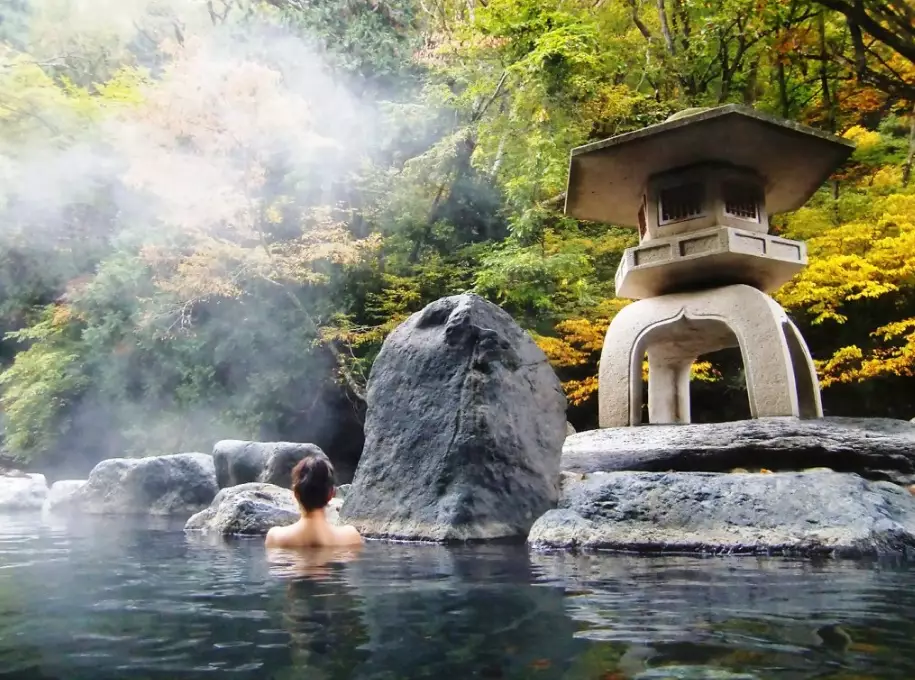
Your Burning Onsen Questions, Answered
Can I visit an onsen if I have tattoos?
It's the most common barrier. Many large public facilities and hotel spas still say no. Your best options are: 1) Book a room with a private attached bath at a ryokan. 2) Use a website like Tattoo Spot to find explicitly friendly places. 3) Use waterproof tattoo cover-up patches (like Saniderm), but be discreet and check if it's acceptable. Smaller, rural onsens are sometimes more flexible if tattoos are small and you ask politely.
Is it okay to go to an onsen alone?
Absolutely. In fact, it's a wonderful solo activity. No one will bat an eye. It can be a deeply meditative experience. For solo female travelers, many larger facilities have women-only floors or time slots, which can add an extra layer of comfort.
 What should I do if the water is too hot?
Don't force yourself. Enter slowly, starting with your feet. Sit on the edge and let your legs acclimate before submerging further. Stay near the edge where it's often cooler. Listen to your body—5 minutes in a very hot bath is more effective than 20 minutes of misery.
Are onsens suitable for children?
Yes, but with caveats. Kids are welcome, but they must be able to follow the hygiene rules (washing thoroughly, not splashing). Many family-friendly ryokans have shallow baths or private family baths you can reserve. Always supervise closely for safety.
I have high blood pressure. Can I use an onsen?
You must consult your doctor first. The sudden heat causes blood vessels to dilate and can lower blood pressure rapidly upon standing, leading to dizziness. If cleared, enter lukewarm baths first, avoid the hottest pools, keep soak times very short (2-3 minutes), and get up slowly. Never go alone if you have a known condition.
The key to enjoying a Japanese onsen is to let go—of your insecurities, your schedule, and your phone. It's a ritual that forces you to be present. Start with a simple day-trip bath to get the feel, then maybe splurge on a night at a ryokan. Once you get past the initial unfamiliarity, you'll understand why this tradition has endured for millennia. It's not just a bath; it's a reset button for body and mind.