I remember my first time in Tokyo, clutching a guidebook that listed three street food spots. I found them, waited in line with other tourists, and ate decent takoyaki. It was fine. It wasn't until I got lost in a back alley in Shinjuku, lured by the smell of charcoal and soy sauce from a tiny stall with no English sign, that I understood what the fuss was about. That's the moment this guide is for—to get you past the postcard version and into the steaming, savory, sometimes chaotic heart of real Japanese street food.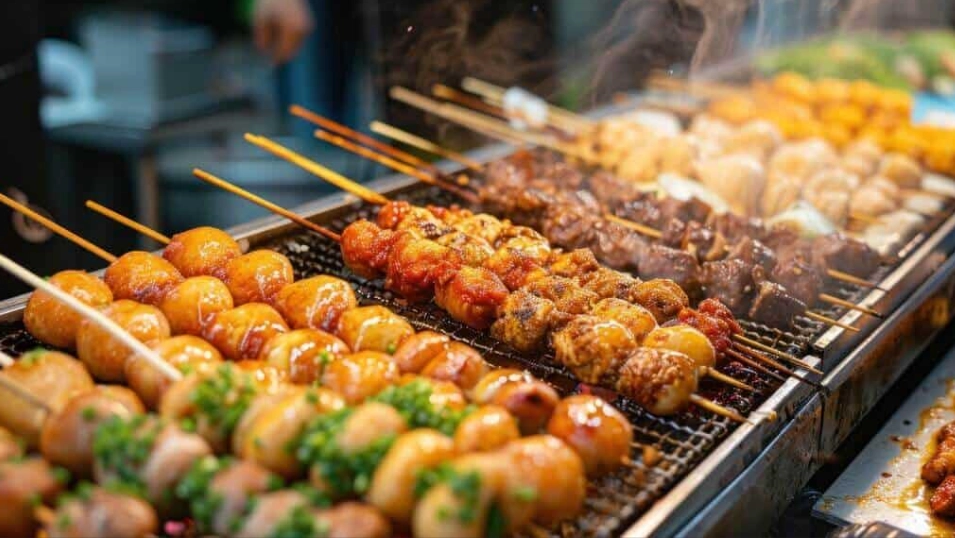
Your Quick Bite-Sized Guide
What You're Really Looking For: Beyond Takoyaki
Sure, you know takoyaki and maybe taiyaki. But treating Japanese street food as just those two items is like thinking Italian food is only pizza and pasta. The scene is a dynamic ecosystem. You have the classic yatai (屋台), the mobile food stalls often with a few stools, which are iconic in places like Fukuoka. Then there are the semi-permanent stalls in market alleys, the food stands outside temples during festivals (matsuri), and the dedicated shop-fronts in areas like Tokyo's Ameya-Yokocho that blur the line between restaurant and stall.
The magic isn't just in the food—it's in the context. It's the salaryman grabbing a quick yakitori skewer and a beer after work. It's the precision of the okonomiyaki chef in Osaka. It's the fact that you can have a world-class meal standing up, for less than the price of a train ticket.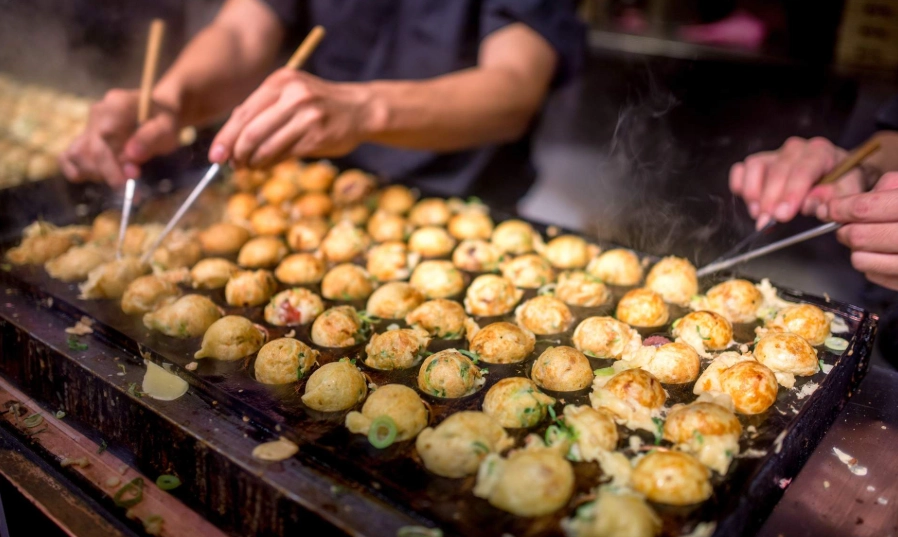
Here's a truth most guides won't tell you: The biggest mistake isn't picking the wrong stall; it's going to the wrong type of location. The hyper-famous, Instagrammable spot in a major tourist square will be good, but it's engineered for volume. For a more authentic, memorable experience, you need to find the stalls that serve the neighborhood. Their survival depends on repeat local customers, not one-time visitors. Look for salarymen in suits, not backpacks.
Tokyo's Hidden Yatai & Street Food Hubs
Tokyo can feel intimidating. Modern, clean, and sprawling. The classic yatai culture has faded here due to regulations, but it's not gone—it's evolved. You won't find rows of stalls in Shibuya Scramble. You find them in specific, often less-polished pockets.
Omoide Yokocho & Ameya-Yokocho: The Classic Alleys
Near Shinjuku Station, Omoide Yokocho ("Memory Lane") is a network of tiny alleys packed with minuscule yakitori and seafood joints. It's atmospheric, smoky, and feels frozen in time. Portions are small, meant for drinking alongside. A few doors down, Ameya-Yokocho ("Ameyoko") near Ueno is a bustling market street. Here, street food blends with market shopping. Look for stalls selling giant grilled scallops, fresh uni (sea urchin) in its shell, and kushikatsu (deep-fried skewers).
Let's get specific. Here are a few Tokyo spots where your yen will be well spent:
| Stall Name / Area | Must-Try Dish | Price Range | Key Info / Hours |
|---|---|---|---|
| Omoide Yokocho (Various Stalls) | Yakitori (chicken skewers) - try negima (leek & chicken) or tsukune (meatball) | ¥150-¥300 per skewer | Evenings only (5 PM - 11 PM). Cash only. Just point at what looks good. |
| Asakusa Nakamise-dori (Stalls along the approach to Senso-ji) | Age-manju (deep-fried sweet bean paste bun) or ningyo-yaki (small cake filled with bean paste) | ¥100-¥200 per piece | Daytime, roughly 10 AM - 5 PM. Great for a sweet snack while sightseeing. |
| Tsukiji Outer Market (Various vendors) | Fresh maguro (tuna) skewers, tamagoyaki (sweet omelet), or a giant oyster grilled on the spot. | ¥500-¥1500 per item | Mornings until early afternoon (5 AM - 2 PM). Go hungry and graze. |
| Ebisu Yokocho | More modern but lively. Small stalls serve everything from ramen to gyoza. Great for a casual pub-crawl-style eat. | ¥500-¥1200 per dish | Evenings until late. Slightly more expensive but very accessible. |
Osaka's Dotonbori & Beyond: The Street Food Capital
Osaka wears its title as "Japan's Kitchen" with pride. It's louder, brasher, and food is the central religion. Dotonbori is the epicenter, a sensory overload of giant neon signs (the famous Glico Running Man, the moving crab) and countless stalls. This is where you go for the spectacle and the classics.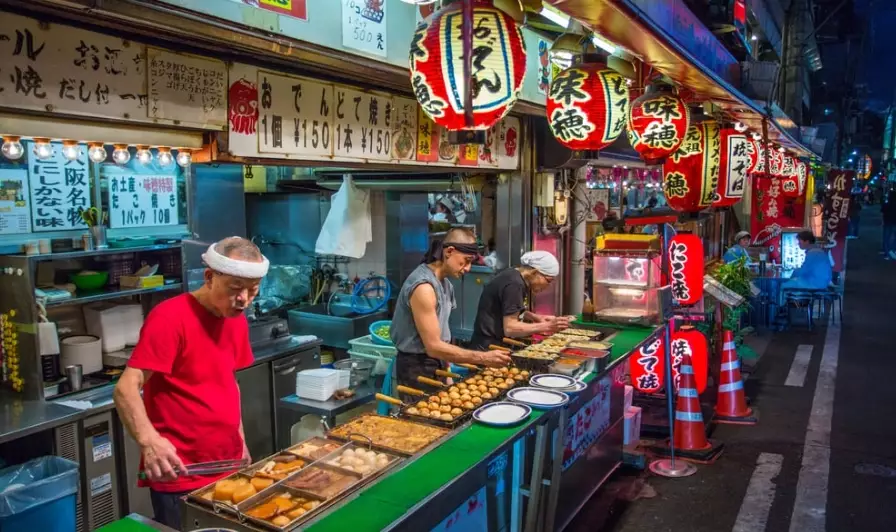
Takoyaki here is a different beast—often creamier inside than the crispier versions elsewhere. Okonomiyaki (savory cabbage pancake) and kushikatsu are the other pillars. But the real move? Venture one or two streets back from the main canal. The crowds thin, the prices sometimes dip, and the quality can be sharper.
My personal rule in Dotonbori: If a stall has a line of Japanese people, it's usually worth it. If it only has a line of tourists with selfie sticks, maybe keep walking. For kushikatsu, head to Shinsekai district, the retro neighborhood under Tsutenkaku Tower. The whole area is famous for it. A key local etiquette: never double-dip your kushikatsu in the shared sauce pot. Use the provided cabbage to scoop more sauce onto your skewer.
Fukuoka's Nakasu: The Yatai Homeland
If you want the quintessential yatai experience, you go to Fukuoka on the island of Kyushu. Along the banks of the Naka River in the Nakasu area, and in spots like Tenjin, about 100 licensed yatai open from evening onwards. These are proper mobile kitchens with a counter and maybe 8 seats. It's intimate, conversational, and the food is outstanding.
This is the birthplace of tonkotsu ramen (Hakata ramen), and many yatai serve a sublime, rich version. But don't stop there. Motsunabe (offal hotpot) is a Fukuoka specialty, and getting it from a yatai is an experience. Yaki-ramen (fried ramen noodles) is another local twist.
The vibe here is different. You'll likely end up chatting with the chef or fellow diners. It's less about frantic eating and more about settling in. Most yatai open around 6-7 PM and run until midnight or later. Cash is king. A common mistake is to pick the first yatai you see. Take a lap along the river, see which one has a good mix of locals and a menu that excites you. The Japan National Tourism Organization has good basic info on Fukuoka yatai culture, but the best finds aren't listed.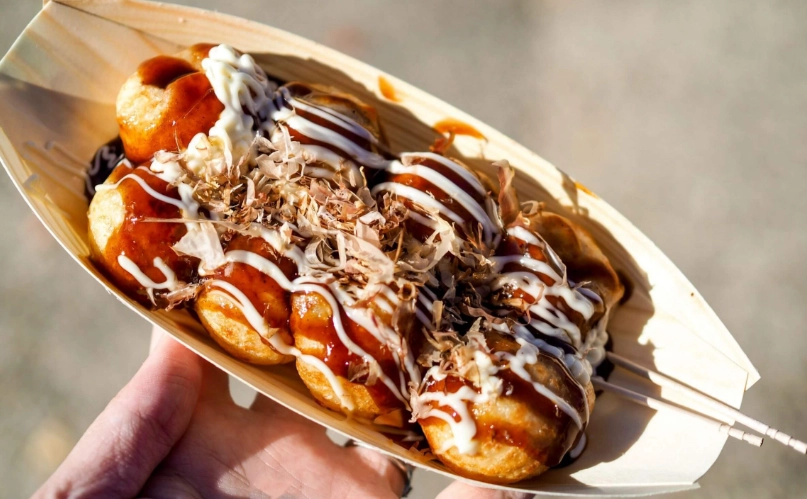
How to Eat Street Food Like You Know What You're Doing
Let's cut through the anxiety. Here's the practical, no-fluff advice.
Money: Carry cash. Lots of ¥100 and ¥500 coins. Many stalls, especially the best old-school ones, do not accept cards or even IC cards like Suica.
Ordering: Menus are often visual. Pointing is perfectly acceptable. Learn a few key phrases: "Kore, hitotsu" (This, one), "Oishii!" (Delicious!). A smile goes further than perfect grammar.
Eating: There's often no space. You'll eat standing up or perched on a tiny stool. It's part of the fun. Have tissues or a small pack of wet wipes—napkins can be scarce. For items on sticks (yakitori, kushikatsu), it's fine to eat them directly off the stick. For takoyaki or okonomiyaki, you'll get a small plate and a pick or spatula.
Trash: This is crucial. Japan has very few public trash bins. The stall will have a small bin for the trash they generate (sticks, wrappers from the food they sold you). It is generally expected that you will take any other trash (drink bottles, etc.) with you. Plan to carry a small plastic bag for this.
Finding the Good Stuff: Use Google Maps, but not just for "street food." Search for "yatai" or "屋台" in Fukuoka. Look for market names: "Ichiba" (市場) means market. The official sites for places like Tsukiji Outer Market or the Osaka Tourist Board give you locations and hours, which is half the battle.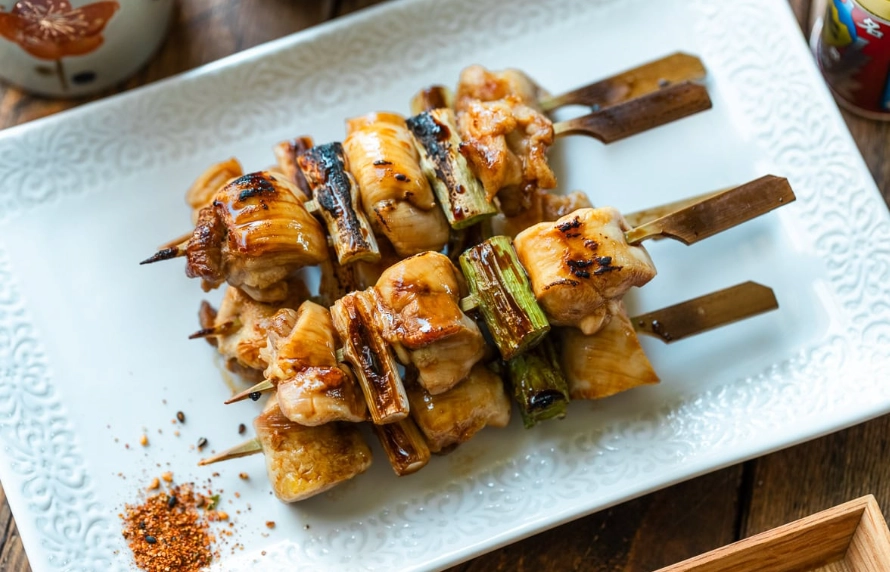
Street Food Questions You're Too Embarrassed to Ask
 I'm using a Japanese street food guide on a budget. How can I maximize my experience without overspending?