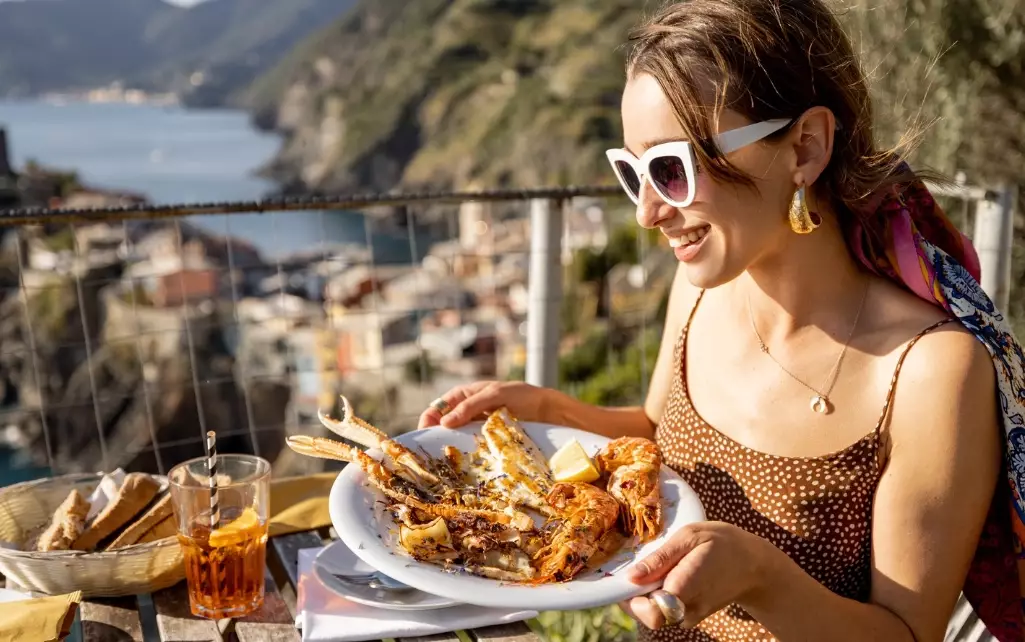
Let's be honest. The best trips my partner and I have taken weren't just about seeing a new place. They were about tasting it. A romantic foodie vacation in the USA is more than a fancy dinner; it's a shared adventure that engages all your senses. It's getting lost in a spice market, that perfect bite you still talk about years later, and the simple joy of a great cup of coffee at a sidewalk cafe. Forget the rigid sightseeing checklist. This is about designing a journey where food is the main attraction, the culture is the side dish, and connection is the ultimate goal.
Your Quick Guide to Foodie Travel Planning
Top 5 US Food Cities for a Romantic Couples Getaway
Picking a destination is the first step. You want a place with depth, not just one famous restaurant. Here are five cities that offer a complete culinary ecosystem, perfect for a long weekend or a week-long exploration.
1. New Orleans, Louisiana
The rhythm here is intoxicating. It's not just food; it's a living history lesson on a plate. You can spend days in the French Quarter, but the real magic is in the neighborhoods like the Garden District or Bywater.
Must-Try Experience: Dinner at Commander's Palace
Address: 1403 Washington Ave, New Orleans, LA 70130
The Vibe: Haute Creole in a stunning turquoise mansion. Jackets are required for dinner, which adds to the special-occasion feel.
Order This: The Turtle Soup, the Pecan-Crusted Gulf Fish, and do not skip the Soufflé (Grand Marnier is my pick). You need to order it at the start of your meal.
Price Point: $$$$ (Expect $150+ per person with drinks).
Reservation Hack: Book exactly 60 days out at 9 AM CST on their website. Lunch is slightly more casual and a bit easier to book, and their 25¢ Martini lunch special is legendary.
For a more casual, utterly essential experience, join the line at Café Du Monde (800 Decatur St) for beignets and café au lait at any hour. Go late at night—it's less crowded and strangely romantic.
2. San Francisco, California
A hyper-seasonal, globally-influenced wonderland. The Ferry Building Marketplace is your starting point, but the mission is to explore the distinct neighborhoods, each with its own flavor.
Cozy & Inventive: State Bird Provisions
Address: 1529 Fillmore St, San Francisco, CA 94115
The Vibe: Innovative, dim-sum style service where dishes are wheeled to your table. It's interactive, fun, and the food is spectacular.
Order This: You don't really "order." You say yes to what looks good as it passes by. The CA State Bird with Provisions (their signature fried quail) is a must-grab. Their sourdough pancakes are also famous.
Price Point: $$$ (About $80-$100 per person).
Reservation Reality: Brutal. Reservations open 60 days ahead and vanish in minutes. Your best bet is to line up before they open for dinner (5:30 PM) to snag a walk-in spot. Put your name down, then grab a drink nearby.
3. Charleston, South Carolina
Southern charm with serious culinary chops. The historic district is walkable and dripping with atmosphere. The focus here is on Lowcountry cuisine—think shrimp & grits, she-crab soup, and fresh oysters.
A perfect day might start with biscuits at Callie's Hot Little Biscuit (476 1/2 King St), a stroll through the City Market, and then an afternoon oyster shucking class. For dinner, the competition is fierce. FIG (232 Meeting St) lives up to the hype with its vegetable-forward Southern dishes, but you need to book early.
4. Chicago, Illinois
Don't let the deep-dish stereotype fool you. Chicago's dining scene is robust, creative, and surprisingly diverse. From Michelin-starred temples to incredible neighborhood ethnic eats, it's a foodie's playground.
For a truly romantic, old-school Chicago experience, book a booth at The Loyalist (177 N Ada St #101). It's moody, cool, and downstairs from the Michelin-starred Smyth. Their burger is arguably the best in the city, but the whole menu sings. In the West Loop, the Time Out Market is fantastic for a low-pressure lunch where you can both try different things from top local chefs.
5. Napa & Sonoma Valleys, California
This is the ultimate destination foodie vacation for couples. It's a slow, sensory experience centered around wine, farm-to-table cuisine, and breathtaking landscapes. You're not just going to restaurants; you're visiting the farms that supply them.
Base yourselves in a small town like Healdsburg or Yountville. Book a hot air balloon ride at sunrise, followed by a decadent breakfast. Spend your days touring smaller, appointment-only wineries where you get personal attention. The Visit Napa Valley website is a great resource for planning.
Beyond Restaurants: Unique Dining Experiences for Couples
The meal you remember won't always be in a formal dining room. Seek out these experiences.
Food Tours: The best $75 you'll spend. I always book one on our first day in a new city. It gives you context, history, and local tips you'd never find online. Companies like Avital Tours (in SF and NYC) focus on storytelling and smaller groups.
Cooking Classes: Especially ones that focus on a local specialty. In New Orleans, take a gumbo class. In Charleston, learn about biscuits. It's a fun, hands-on activity that gives you a skill to take home.
Farm Dinners & Pop-Ups: Follow local chefs or farms on Instagram. In places like Vermont, Oregon, or California, multi-course dinners held right on a farm are magical. Sites like EatWith or Traveling Spoon can connect you with in-home dining experiences.
How to Plan Your Foodie Vacation Itinerary
Here’s a sample framework for a 3-day weekend. The key is balance—don't overbook.
Day 1: Immersion & Exploration
Morning: Hit a legendary local breakfast spot or coffee shop. Then, take a 2-3 hour food tour in a core neighborhood.
Afternoon: Casual lunch based on a tip from your tour guide. Leisure time—maybe a museum, park, or shopping. This is your digestion window.
Evening: Your first "big" dinner reservation. Something iconic to the city.
Day 2: Deep Dive
Morning: Visit a famous public market. Grab pastries, cheese, fruit for a light bite.
Afternoon: Activity-based: a cooking class, a visit to a distillery/winery, or a trip to a specific food-related site (e.g., the Tabasco factory in Louisiana).
Evening: Try a different cuisine or neighborhood. Maybe a fantastic sushi bar or a cozy wine bar with small plates.
Day 3: Local Favorite & Departure
Morning: Brunch at a beloved local haunt. This is often where you find the real soul of a city.
Afternoon: Pick up edible souvenirs (local spices, hot sauce, chocolate) from a specialty shop you discovered.
Evening: If you're flying out late, one last perfect, simple meal—maybe the best burger or pizza in town.
Real Talk on Budgeting for a Culinary Trip
Let's get practical. A food-focused trip costs more than a standard vacation. Here’s a realistic breakdown for a 4-day/3-night trip for two in a major US food city.
| Category | Budget-Friendly | Moderate/Splurge | Notes |
|---|---|---|---|
| Accommodation | $400 - $600 | $900 - $1500+ | Location matters. Stay walkable to food districts. |
| Food & Drink | $600 - $800 | $1200 - $2000+ | This is where the money goes. Includes 1 nice dinner, mid-range meals, coffee, snacks. |
| Experiences | $150 (1 food tour) | $400+ (Tour + class) | Prioritize one major experience. |
| Transport & Misc | $200 | $300 | Rideshares, airport transit, tips. |
| TOTAL ESTIMATE | $1350 - $1750 | $2800 - $4200+ | Flights not included. |
My biggest budget tip? Go big on one incredible dinner, and be smart the rest of the time. A fantastic lunch at a top restaurant is often 30-40% cheaper than dinner. Split dishes to try more. And never underestimate the joy of a perfect, cheap taco or bagel.
Pro Tips from a Seasoned Food Traveler
These are the things you learn after a dozen trips.
Reservation Jujitsu: Use Resy, OpenTable, and Tock. Set alerts. If you can't get a rez, call the restaurant directly, mid-afternoon, on a Tuesday or Wednesday. Sometimes, they hold back tables. Ask to be on the waitlist. Show up at the bar right when they open—bar seats are often first-come, first-served, even at booked-solid places.
Ordering Strategy: Talk to your server. Say, "We want to try the things you're most excited about." Order one appetizer, two mains, and share. Or do a tasting of appetizers only. There are no rules.
The Pace Yourself Rule: You cannot eat a huge brunch, a huge lunch, and a huge dinner. Plan one "anchor" meal per day. The others should be light—a salad, a bowl of soup, a shared sandwich.
Embrace the Walk: You will eat more, and feel better, if you walk 5-8 miles a day between meals. It's the unsung hero of food travel.