Let's be honest. When most people think of luxury travel, they picture five-star hotels, first-class flights, and a hefty credit card bill. I used to think the same. But after a decade of planning trips for discerning clients and chasing my own adventures, I've learned that true luxury has almost nothing to do with the price tag. It's about the feeling you're left with. It's the story you tell years later, not the thread count of your sheets. Modern luxury is personalized, immersive, and often surprisingly intimate. It's about connection—to a place, a culture, or a moment—that feels exclusively yours.
Your Journey Awaits: Navigate This Guide
What Defines a Modern Luxury Travel Experience?
Forget the brochures with generic couples sipping champagne. Today's luxury traveler, according to insights from Virtuoso, a leading network of luxury travel advisors, is seeking transformation, not just transportation. The shift is profound.
It's the difference between staying at a famous Paris hotel and having a retired sommelier open his private cellar for you in his Left Bank apartment. The latter costs less but delivers infinitely more. Luxury is now measured in access and authenticity.
Here’s what it boils down to:
- Personalization Over Prescription: Your itinerary shouldn't look like anyone else's. It should mirror your curiosity, whether that's a deep dive into Edo-period art or foraging for truffles with a local farmer and his dog.
- Time as the Ultimate Currency: The biggest luxury is seamless, efficient use of your time. No lines. No logistical headaches. A great planner makes the complex look effortless.
- Exclusive Access, Not Just Expense: Anyone can buy a ticket. Gaining entry to a normally closed archaeological site after hours, or a private viewing at a museum—that's the new currency.
- Meaningful Immersion: It's not about observing from a tour bus. It's about participating, however briefly, in the rhythm of local life.
I once arranged for a client, a passionate home cook, to spend a morning at a Tokyo fish market with a retired sushi master, followed by a lesson in his tiny, 8-seater restaurant. The cost was a fraction of a high-end omakase meal, but the experience was priceless. She still emails me about it.
How to Plan a Truly Bespoke Luxury Trip?
Planning is where the magic—or the misery—begins. A common mistake is starting with destinations. Don't. Start with desires.
Step 2: Partner Smartly. A top-tier travel advisor is your greatest asset. They have the relationships you don't. I'm talking about the hotel GM who upgrades you because they know your advisor, or the guide who gets you into a family-run pottery studio in Kyoto that's not on Google Maps. Look for advisors affiliated with networks like Virtuoso or ASTA (American Society of Travel Advisors). Their clout translates directly to your benefits.
Step 3: Build the Framework, Not Just a Schedule. Here’s a snapshot of how I might structure a 10-day luxury trip to Italy for a couple focused on art and food, moving beyond Rome-Florence-Venice.
| Location | Accommodation (Example) | Core Experience | Why It's Luxe |
|---|---|---|---|
| Val d'Orcia, Tuscany (3 nights) | Castello di Casole (Belmond). A restored castle estate. | Private painting lesson with a landscape artist amidst the rolling hills. | Total immersion in the iconic scenery, creating your own souvenir. |
| Bologna (2 nights) | Grand Hotel Majestic già Baglioni. Historic palace in the center. | Behind-the-scenes tour of a Parmigiano Reggiano dairy at dawn, followed by a private market tour and cooking class. | Access to the production process and culinary wisdom from a local *sfoglina* (pasta master). |
| Urbino, Marche (2 nights) | Hotel Raffaello. Charming, family-run in the historic center. | Private, after-hours tour of the Ducal Palace with an art historian. | Having a Renaissance gem and its profound art collection entirely to yourself. |
| Lake Como (2 nights) | Il Sereno Lago di Como. Modern design with classic views. | Private wooden boat charter to explore hidden villas and villages, with a picnic from a legendary local deli. | Freedom and flexibility on the water, away from the crowded ferry routes. |
Notice the mix of famous regions (Como) and under-the-radar gems (Urbino). That balance is key.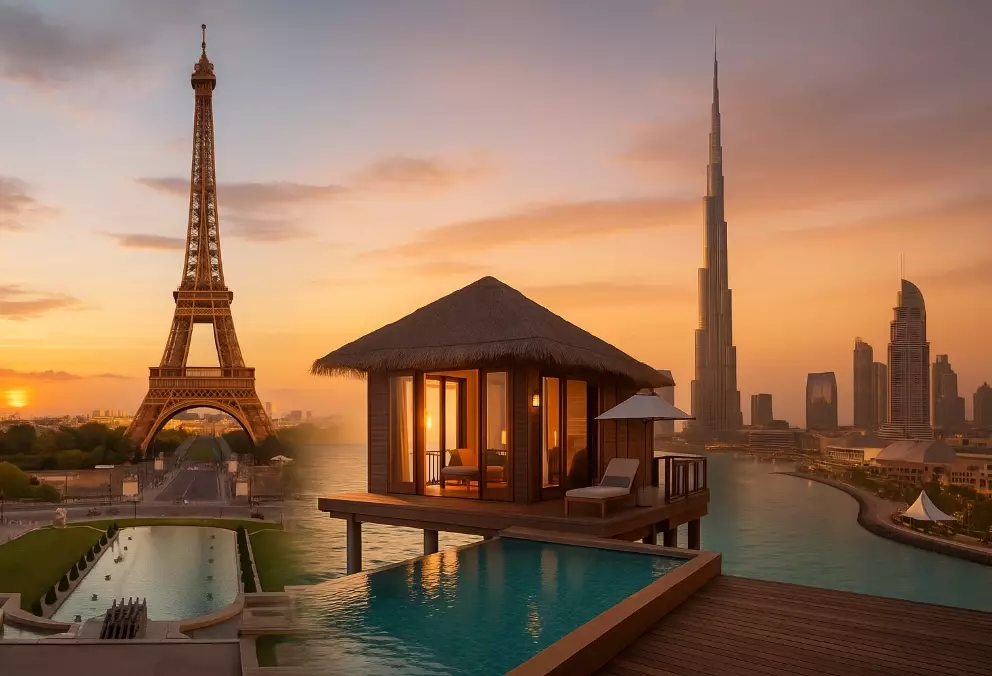
Three Pillars of a Standout Luxury Experience
Let's get concrete. These are the areas where investing your focus (and budget) pays the highest dividends in memories.
1. The Accommodation as a Destination
The hotel isn't just where you sleep; it's a curator of your experience. Look for places that offer more than a pool.
- Amangiri (Utah, USA): More than a stunning desert lodge. They organize private hikes into slot canyons on their vast reserve, astronomy sessions, and access to nearby national parks at exclusive times. The room rate ($2,500+/night) includes this curated access. It's the anti-thesis of fighting crowds at Zion.
- Singita Grumeti (Tanzania): In the Serengeti, luxury is space and wildlife density. Being in a private concession means your game drives are untimed and you won't see another vehicle. The guides are PhD-level experts. You're not just on safari; you're in a masterclass on ecosystems.
- Aman Tokyo (Japan): Its location and skyline pool are legendary. But their real value is the concierge who can secure you that impossible restaurant reservation or a last-minute ticket to the Ghibli Museum.
2. The Guide Makes the Place
A mediocre guide recites facts. A great one unlocks a city's soul. In Istanbul, I hired a historian who didn't just show me Hagia Sophia; he explained the political and theological earthquakes its mosaics represented, making the stones speak. Cost: ~$400/day. Value: Immeasurable. Always request a guide's bio and specialty. A foodie guide in Rome is wasted on an architecture buff.
3. The One-of-a-Kind Activity
This is the headline of your trip.
- In Scotland: A private falconry lesson on the grounds of a castle, followed by a whisky tasting matched to the characteristics of the birds of prey. It's visceral, unique, and deeply connected to the land.
- In India (Rajasthan): A private dinner in the courtyard of a 16th-century cenotaph, lit by a thousand candles, with traditional musicians. It's not in any hotel package.
- In Peru: Arriving at Machu Picchu via the lesser-trekked Salkantay or Lares route, then staying at the Belmond Sanctuary Lodge right at the gate, allowing you to enter the site before and after the day-tripper hordes.
Common Pitfalls and Pro Advice
I've seen it all. Here's how to avoid the classic stumbles.
Pitfall 1: Chasing Instagram, Not Experience. That "floating breakfast" in Bali looks amazing. It's also often a cold, soggy, overpriced photo op. Focus on what will feel good in the moment, not just what will look good online.
Pitfall 2: Over-scheduling. Luxury is breathability. Leave empty afternoons. The best moments often come unplanned—striking up a conversation with a shopkeeper, accepting a spontaneous invitation, or simply sitting in a piazza and watching the world go by.
Pitfall 3: Assuming "Luxury" = "Western Standards" Everywhere. In Japan, a top-tier ryokan might have minimalist decor and shared onsens. Its luxury is in the meticulous service, the kaiseki meal, the perfect silence. Don't mistake different for less than.
My Non-Consensus Advice: Spend less on your flight cabin and more on your first and last night's accommodation. Arriving exhausted to a mediocre hotel can sour a trip before it starts. A smooth, welcoming arrival (think a fast-tracked visa line arranged by your hotel, a serene room ready early) sets the tone. Similarly, a fantastic final hotel lets you decompress and pack leisurely before the journey home. That comfort often outweighs the benefit of a flat-bed seat.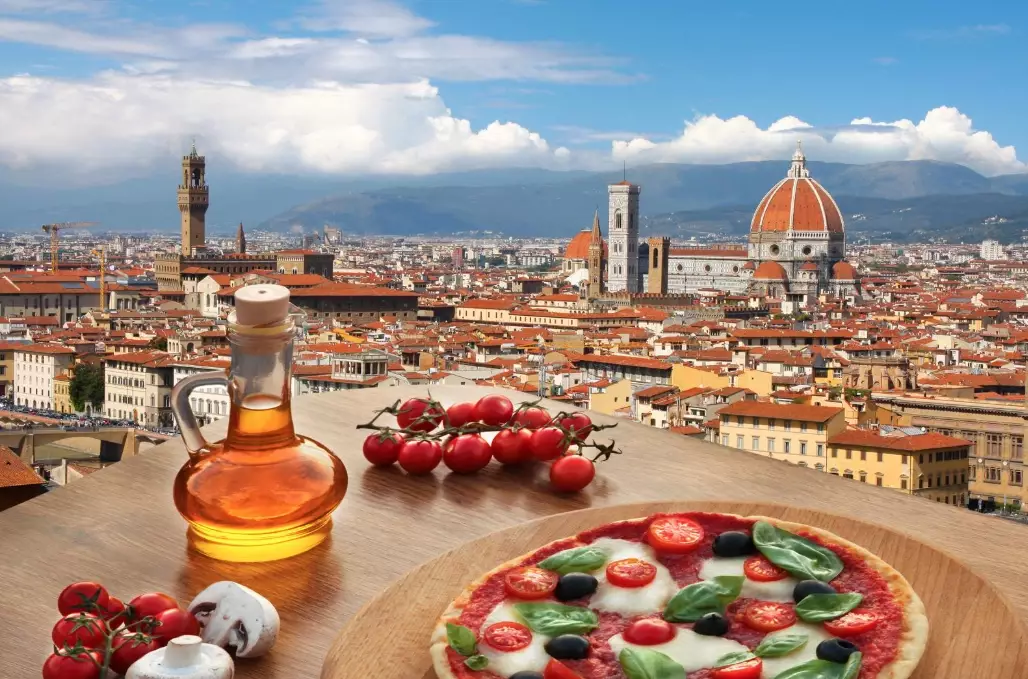
Your Luxury Travel Questions, Answered
 What's the one thing a luxury travel planner does that I can't do for myself online?