Let's be honest. When you think of Japan, you picture Mount Fuji. That perfect, snow-capped cone is more than a mountain; it's a national symbol. But planning a trip to see it? That's where things get real. The internet is full of generic lists, but they often miss the crucial details that make or break your experience. I've been guiding trips to the Fuji region for over a decade, and I've seen every mistake in the book. This guide isn't just about what to do; it's about how to do it right, avoiding the crowds, the disappointment, and the logistical headaches most first-timers face.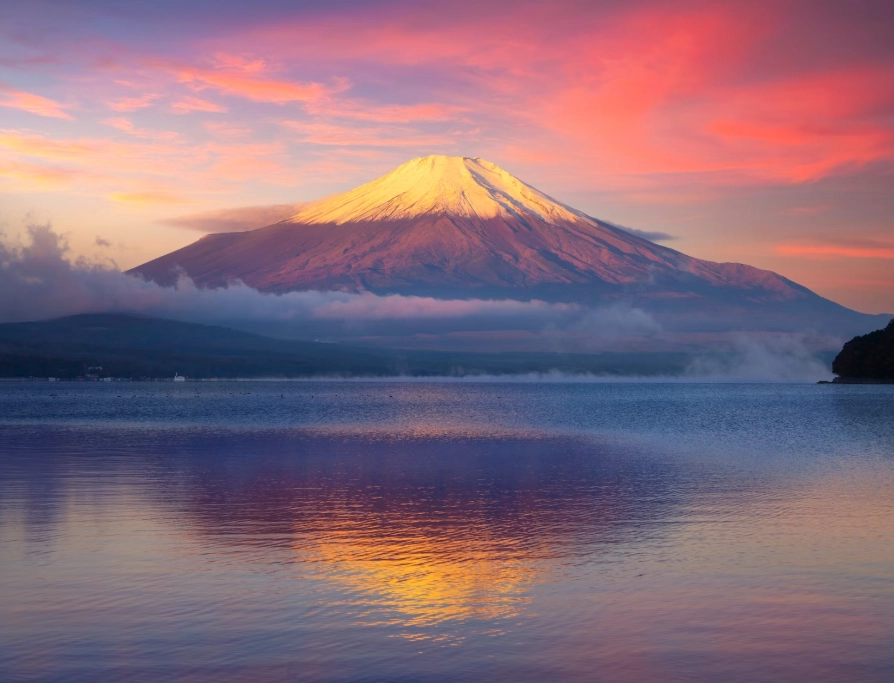
Your Mount Fuji Journey at a Glance
When is the Best Time to Visit Mount Fuji?
Timing is everything. Get it wrong, and Fuji-san might be hiding behind a thick layer of clouds for your entire trip. The mountain has distinct personalities throughout the year.
The Official Climbing Season (Early July to Early September) is your only window if you want to summit. The trails are officially open, mountain huts operate, and the weather is (relatively) stable. It's also packed. Early July sees less crowding but more residual snow. Late August is often less busy as the Japanese summer vacation winds down.
The Prime Viewing Seasons (Late October to November & February to April) offer the clearest skies and most dramatic views. Autumn brings crisp air and golden landscapes, while winter frames the mountain with snow. Spring has cherry blossoms. These months are ideal for photographers and those visiting the Fuji Five Lakes area.
The Shoulder and Off-Seasons are gamble. Summer (outside climbing season) is humid and cloudy. Winter is brutally cold at the base and inaccessible on the slopes. I once took a group in early June—we didn't see the peak once in three days. Check live webcams from sources like the Japan National Tourism Organization before you commit.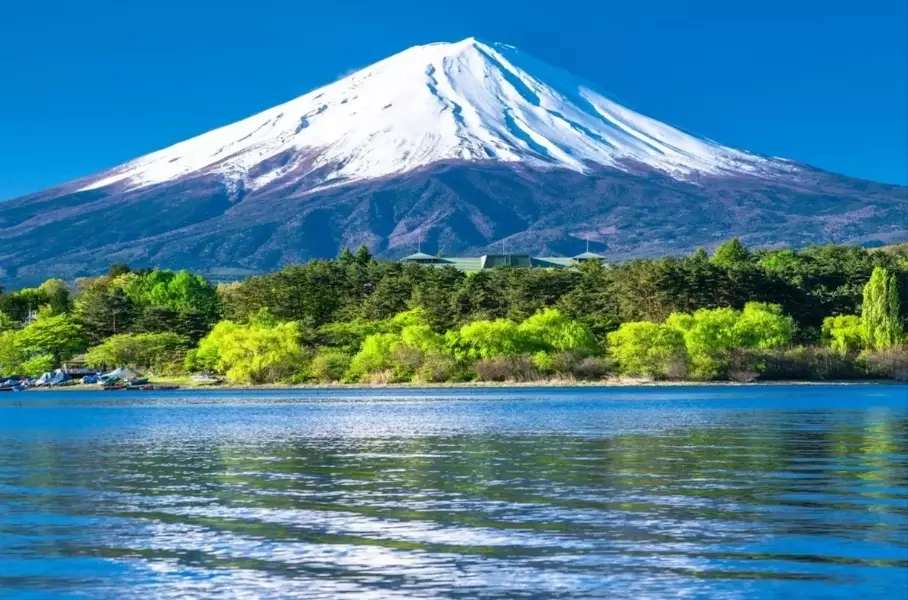
Climbing Mount Fuji vs. Viewing from Afar
This is the biggest decision you'll make. Climbing is a tough, rewarding pilgrimage. Viewing is about relaxation and culture. They are completely different trips.
Option 1: Climbing Mount Fuji
The climb is not a hike. It's a high-altitude trek on loose volcanic scree. The average person takes 5-7 hours to ascend from the 5th Station and 3-5 hours to descend. Most climb at night to reach the summit for sunrise (Goraiko).
The Four Main Trails:
| Trail | Starting Point (5th Station) | Key Features | Best For |
|---|---|---|---|
| Yoshida Trail | Fujiyoshida City (Yamanashi) | Most popular, most mountain huts, best sunrise view spots. | First-time climbers, those wanting infrastructure. |
| Subashiri Trail | Gotemba City (Shizuoka) | Forest path at the start, merges with Yoshida near the top. | Those seeking a quieter start. |
| Gotemba Trail | Gotemba City (Shizuoka) | Longest, lowest elevation start. Least crowded. | Experienced climbers wanting solitude. |
| Fujinomiya Trail | Fujinomiya City (Shizuoka) | Shortest ascent from 5th Station, steep and rocky. | Fitness enthusiasts short on time. |
Climbing Cost Breakdown (per person): Bus from Tokyo to 5th Station: ~¥2,700 one way. Donation for climbing: ¥1,000. Mountain Hut bunk (if staying): ¥7,000 - ¥10,000 with two meals. Water/Food on mountain: ¥2,000-¥3,000. Gear rental (if needed): ¥5,000-¥10,000. Total for a basic overnight climb: ¥20,000-¥30,000.
Option 2: Viewing Mount Fuji from the Fuji Five Lakes (Fujigoko)
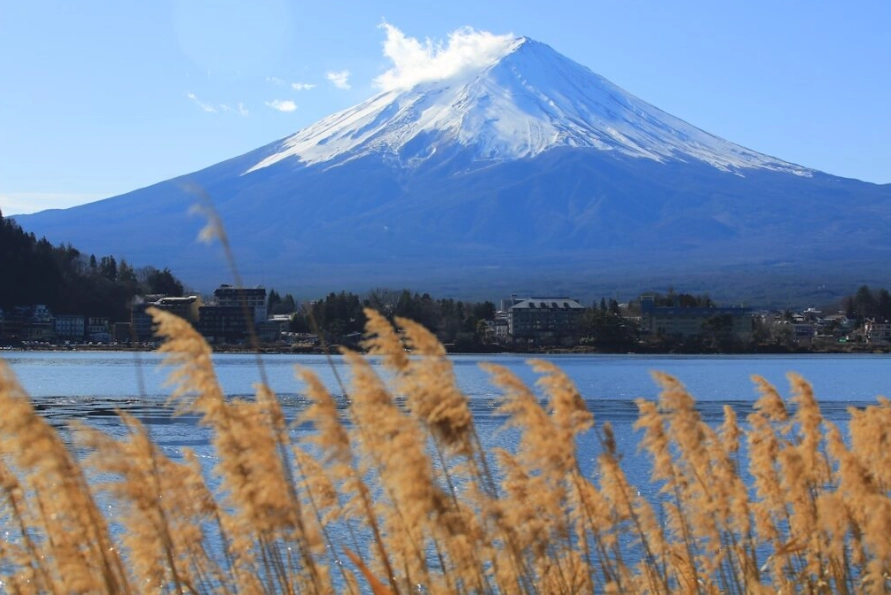
This is my preferred base for 80% of visitors. The north shore of Lake Kawaguchiko offers the classic views and most amenities.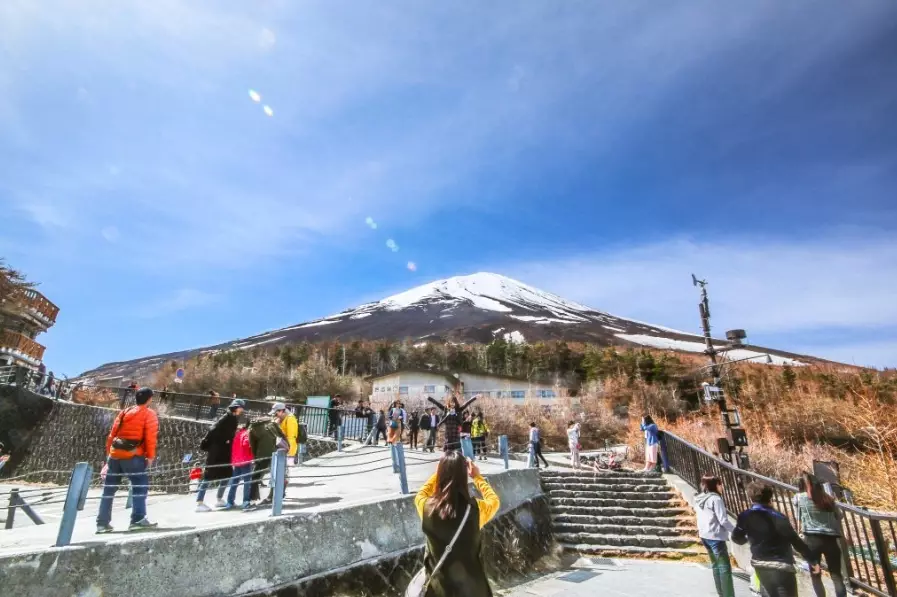
- Lake Kawaguchiko: The transport and activity hub. Take the Kachikachi Yama Ropeway (¥900 round trip, 9:00-16:30) for an aerial view. The Fuji-Q Highland amusement park is here if you need a thrill.
- Lake Yamanakako: The largest lake, with panoramic views. Great for cycling and water sports. Feels more spread out and local.
- Chureito Pagoda: The iconic postcard shot. It's a 20-minute climb from Arakurayama Sengen Park. Best in spring (cherry blossoms) or autumn. Address: 3353-1 Arakura, Fujiyoshida.
- Oshino Hakkai: Eight spring-fed ponds with crystal clear water reflecting Fuji. Can be touristy, but the view is pristine. Free to enter the village, small fees for some ponds.
Most people say "Kawaguchiko has the best view." I disagree. The view from the quieter Lake Shoji or the western side of Lake Motosuko (the one on the ¥1000 note) is often more dramatic and less obstructed by development.
How to Get to Mount Fuji from Tokyo
There is no train directly to the mountain. You're taking a train to a bus, or a bus the whole way.
To the Yoshida Trail 5th Station & Lake Kawaguchiko:
The most efficient way is the direct highway bus from Shinjuku Highway Bus Terminal (Busta Shinjuku). Operated by Fujikyuko and others. Takes about 1 hour 45 minutes to Kawaguchiko Station, or 2 hours 30 minutes direct to the 5th Station (only during climbing season). Cost: ¥2,000 - ¥2,700 one way. Book online in advance, especially weekends and climbing season. The train option (JR Chuo Line to Otsuki, transfer to Fujikyuko Line) is more scenic but slower and more expensive.
To the Gotemba/Subashiri Trails & Lake Yamanakako:
Direct buses from Shinjuku to Gotemba Station or directly to the Subashiri 5th Station. Also, consider taking the Shinkansen to Mishima Station, then a local bus—this can be faster if you have a JR Pass.
Where to Stay Near Mount Fuji
Your choice dictates your experience.
- Fujiyoshida / Kawaguchiko Area: The most convenient. Hotels like Fuji Lake Hotel (classic, some rooms with lake/mountain views) and Mizno Hotel (modern, great onsen) cluster here. Plenty of business hotels and hostels too. Expect to pay ¥10,000-¥25,000 per night for a decent hotel.
- Gotemba: Practical for climbers on the south side and shoppers (Gotemba Premium Outlets). Less scenic charm.
- Onsen Ryokan in Fuji Five Lakes: For a splurge, stay at a traditional inn with a private onsen facing Fuji. Konansou in Kawaguchiko is famous for this. Prices start around ¥40,000 per person with kaiseki dinner and breakfast.
- Mountain Huts on Fuji: Basic, crowded dormitory-style accommodation. You're paying for location, not comfort. Essential for most climbers attempting sunrise.
Mount Fuji Itineraries: From Day Trips to Overnight Stays
Scenario 1: The Perfect Mount Fuji Day Trip from Tokyo
This is tight but doable if you accept you'll only see one or two highlights.
| Time | Activity | Notes & Transport |
|---|---|---|
| 7:00 AM | Depart Shinjuku Bus Terminal | Book the 7:00 AM bus to Kawaguchiko Station. |
| 8:45 AM | Arrive Kawaguchiko Station | Buy a 2-day Red Line bus pass (¥1,500). |
| 9:15 AM | Kachikachi Yama Ropeway | Bus to ropeway. Early to beat crowds for Fuji view. |
| 11:30 AM | Lunch & Explore | Local soba noodles near the lake. |
| 1:00 PM | Chureito Pagoda | Take train to Shimoyoshida Station (10 mins), then walk/climb. |
| 3:30 PM | Oshino Hakkai | Take bus from Fujiyoshida Station (approx 30 mins). |
| 5:30 PM | Return to Tokyo | Bus from Oshino Hakkai or back to Kawaguchiko Station. |
Scenario 2: A Relaxed 2-Day Fuji Five Lakes Itinerary
This lets you breathe and increases your chances of a clear view.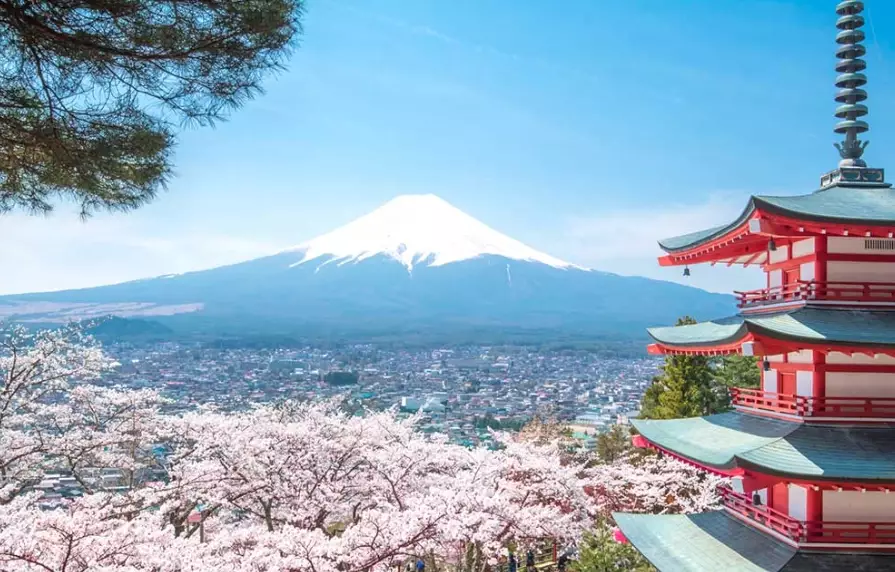
Day 1: Arrive at Kawaguchiko Station. Check into hotel. Afternoon cycling along the north shore of Lake Kawaguchiko (rentals near station). Visit the Fuji Visitor Center (free, great interactive exhibits). Evening soak in an onsen.
Day 2: Morning trip to Lake Saiko for the Bat Cave or Lake Shoji for that raw, unobstructed Fuji view. Afternoon at Itchiku Kubota Art Museum (stunning kimono art, beautiful garden with Fuji backdrop). Sunset from a lakeside spot.
Expert Tips & Common Mistakes to Avoid
Here's what most guides won't tell you.
- Cloud Forecast is Key: Don't just check the weather; check the "Fuji visibility" forecast. Websites like Fujisan.info offer probabilistic forecasts.
- The 5th Station is Not the Base: It's at 2,300m. Altitude sickness starts here for many. Acclimatize, go slow, drink water.
- Don't Overpack for the Climb: You need layers (temps range from 25°C to 0°C), headlamp, rain gear, cash, and water. That's it. Rent poles at the 5th Station.
- Buses Beat Trains: For most routes to Fujigoko, the direct bus is cheaper, faster, and drops you in the center of action. The romance of the train isn't worth the extra hour and transfers.
- Rent a Car (Seriously): If you're with a group of 3-4 and staying 2+ days, renting a car from Tokyo or Mishima gives you incredible freedom to chase clear views around the different lakes.
Your Mount Fuji Questions Answered
 What's the biggest mistake first-time visitors make when planning their Mount Fuji trip?