You know the feeling. The alarm blares, but your body feels like it's made of lead. Your brain is foggy, and the thought of facing the day is exhausting. You spent eight hours in bed, but it sure didn't feel like rest. If this sounds familiar, you're not alone. Millions struggle with poor sleep, but here's the truth most articles won't tell you: improving sleep isn't about one magic trick. It's a system. And most people get one critical piece wrong, sabotaging their efforts before they even begin.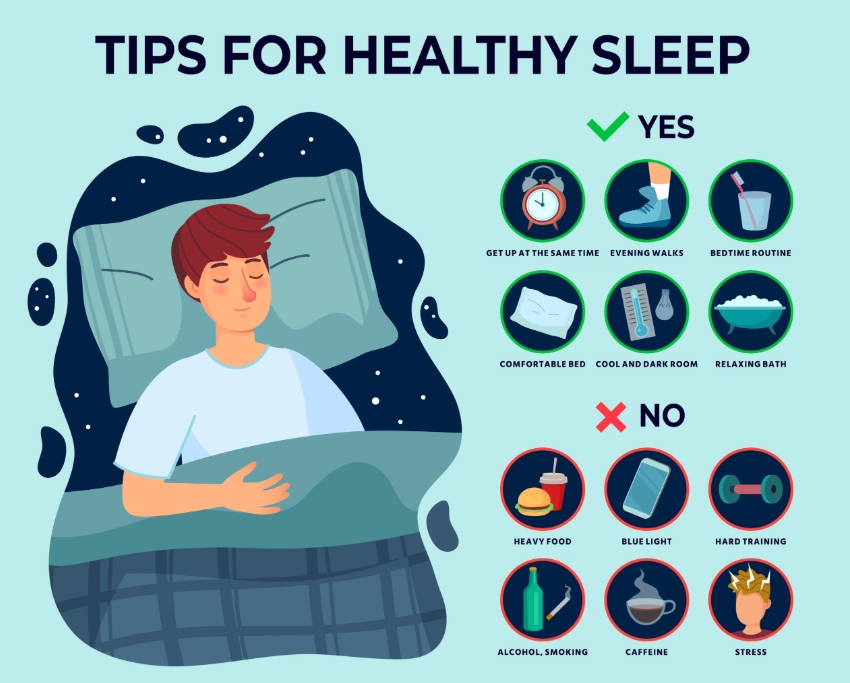
That piece? Consistency over intensity. Chasing a perfect 10 PM bedtime for one night after weeks of chaos does nothing. The real work is in the boring, daily habits you build around sleep, what experts call sleep hygiene. This guide cuts through the noise. We'll move beyond "avoid screens" and dig into the how and why, giving you a practical, sustainable plan.
What You'll Discover in This Guide
Understanding the Foundations of Sleep
Before you can fix something, you need to know how it works. Sleep isn't a passive state. It's an active, complex process driven by two main systems:
- Sleep Drive (Homeostatic Sleep Pressure): Think of this like a hunger for sleep. The longer you're awake, the stronger it gets. Adenosine, a chemical that builds up in your brain all day, is the primary driver. Caffeine works by blocking adenosine receptors, tricking your brain into feeling alert.
- Circadian Rhythm (Your Internal Clock): This is your body's 24-hour cycle, orchestrated by a tiny part of your brain called the suprachiasmatic nucleus. It regulates not just sleepiness and alertness, but also hormone release (like melatonin), body temperature, and digestion. Light, especially blue light from the sun (and screens), is its primary cue.
Poor sleep quality often happens when these two systems are out of sync. You might have a strong sleep drive (you're exhausted), but your circadian rhythm is signaling "wake up!" because you looked at your phone until midnight. Or vice versa.
The Non-Consensus View: Most advice focuses solely on the wind-down. But if you mess up your daytime—irregular meals, no morning light, sitting all day—you've already lost the battle for good sleep. Your nighttime routine is just damage control. We'll fix the foundation first.
Optimizing Your Sleep Environment (The Bedroom Audit)
Your bedroom should be a cave dedicated to sleep. Not an office, not a entertainment center, not a dining room. Let's get specific.
The Three Non-Negotiables: Dark, Cool, Quiet
Darkness: Even small amounts of light can suppress melatonin. Streetlights, charger LEDs, a crack under the door. Use blackout curtains. Cover or remove electronic lights. If needed, a comfortable sleep mask is a game-changer. I resisted one for years, thinking it was fussy. Now I won't travel without it.
Cool Temperature: Your core body temperature needs to drop to initiate sleep. The National Sleep Foundation recommends a bedroom temperature around 65°F (18.3°C). This isn't a suggestion; it's a biological trigger. Adjust your thermostat, use a fan, or consider a cooling mattress pad if you tend to sleep hot.
Quiet: Sudden noises can fragment sleep, even if you don't fully wake. White noise machines or apps can mask disruptive sounds like traffic or a partner's snoring. I use a simple fan year-round for this dual purpose.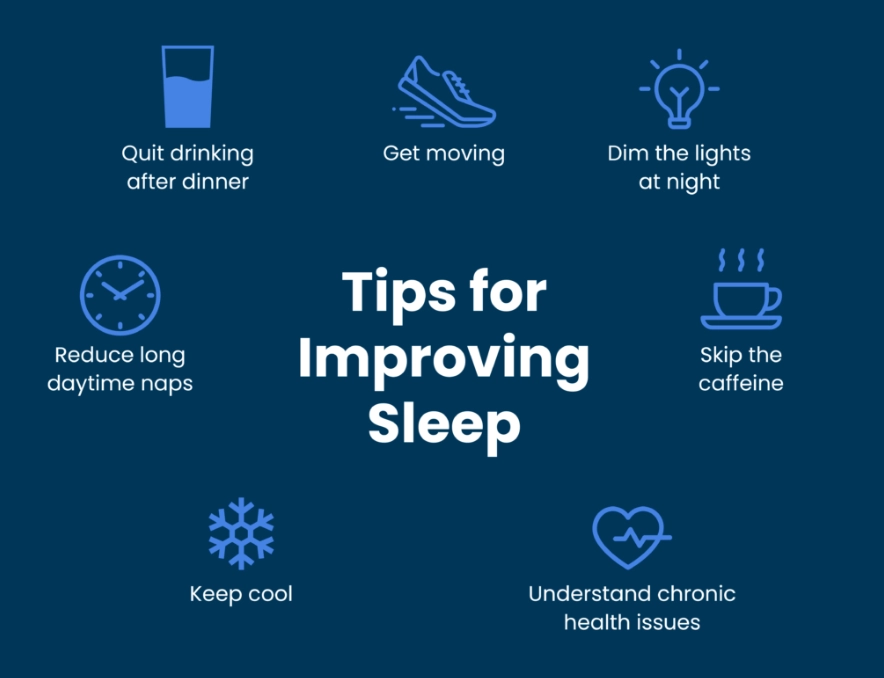
Your Bed: The Command Center
Your mattress and pillows aren't just furniture. If your mattress is over 7-8 years old, it's likely past its prime. You don't need the most expensive one, but you do need proper support. A quick test: if you wake up with aches that fade after moving around, your bedding might be the culprit.
Here’s a quick audit checklist for your sleep environment:
| Factor | Ideal Target | Quick Fixes |
|---|---|---|
| Light | Pitch black | Blackout curtains, electrical tape over LEDs, sleep mask. |
| Temperature | 65°F (18.3°C) | Lower thermostat, fan, lighter bedding, warm shower 90 mins before bed (it causes a post-shower cooldown). |
| Noise | Consistent & low | White noise machine, earplugs, fan. |
| Bed & Bedding | Supportive, clean, allergen-free | Assess mattress age/sag, wash sheets weekly in hot water, hypoallergenic pillow if needed. |
| Mental Association | Bed = Sleep/Sex only | Remove work materials, TVs, and avoid using your phone in bed. |
Building an Unbreakable Wind-Down Routine
You can't sprint into sleep. You need to coast. A consistent 30-60 minute wind-down routine signals to your brain and circadian rhythm that it's time to shift gears.
The #1 Mistake: People think "wind-down" means scrolling through social media in bed. That's the opposite. The light is stimulating, the content is often stressful or engaging, and you're training your brain to be alert in the one place it should be shutting down.
A better routine looks like this:
- Dim the Lights: An hour before bed, switch bright overhead lights for lamps. Use warm-toned bulbs if possible. This mimics sunset and starts the melatonin release.
- Digital Sunset: Put your phone, tablet, and laptop away 60 minutes before target sleep time. Charge them outside the bedroom. If you must use a device, enable a strong red-tone night shift mode and keep it brief.
- Engage in Calming Activities: Read a physical book (fiction is great for escapism). Listen to calming music or a boring podcast (not true crime!). Try light stretching or yoga, but nothing vigorous. I personally jot down a "brain dump" list of tomorrow's tasks so they're not swirling in my head.
- Consistency is King: Do this sequence at roughly the same time every night, even on weekends. A wildly shifting schedule confuses your internal clock more than you think.
Managing Daytime Behaviors That Ruin Sleep
This is where you win or lose. Your daytime choices set the stage for the night.
Light: Your Most Powerful Tool
Get bright, natural light exposure within 30-60 minutes of waking. Go outside without sunglasses for 10-15 minutes. This resets your circadian rhythm, telling your brain "the day has started," which makes it easier to feel sleepy 16 hours later. On cloudy days, a bright light therapy lamp can help.
Caffeine & Alcohol: The Deceptive Villains
Caffeine has a half-life of 5-6 hours. That 3 PM coffee? Half of it is still in your system at 9 PM. Set a hard cutoff time, like 2 PM. If you're highly sensitive, make it noon.
Alcohol is a sedative, not a sleep aid. It may help you fall asleep faster, but it severely fragments the second half of your sleep, reducing restorative REM sleep. You wake up less refreshed. Limit it, and avoid it within 3 hours of bedtime.
Exercise & Food Timing
Regular exercise is fantastic for sleep, but timing matters. Intense workouts too close to bedtime can be stimulating for some. Finish vigorous exercise at least 2-3 hours before bed. Gentle evening walks or stretching are fine.
Avoid large, heavy, or spicy meals right before bed. Your body should be digesting, not digesting and trying to sleep. A small, sleep-friendly snack (like a banana, a handful of almonds, or yogurt) is okay if you're truly hungry.
Troubleshooting Common Sleep Issues
Even with good habits, problems pop up.
If You Can't Fall Asleep (Sleep Onset Insomnia): Don't just lie there getting frustrated. The "15-Minute Rule" is gold. If you're not asleep after 15-20 minutes in bed, get up. Go to another dimly lit room and do something boring (read a manual, listen to soft music). Return to bed only when you feel sleepy. This breaks the association of bed = anxiety.
If You Wake Up in the Middle of the Night: Same rule applies. Don't check the clock—that creates performance anxiety. Get up briefly if you're awake for more than 15-20 minutes. Avoid turning on bright lights.
Restless Legs or Racing Mind: For a racing mind, the "brain dump" journal I mentioned is crucial. For physical restlessness, ensure you're not deficient in iron, magnesium, or folate (consult a doctor). Gentle leg stretches before bed can sometimes help.
Expert Q&A: Your Sleep Problems Solved
 What about sleep trackers? Do they help or create more anxiety?