Winter camping isn't just summer camping with more clothes. It's a different beast entirely. The silence of a snow-blanketed forest, the crispness of the air, the way your breath freezes in the beam of your headlamp—it's magical. But get it wrong, and it's miserable, even dangerous. I've spent over a decade camping in conditions from the damp chill of the Pacific Northwest to the dry, biting cold of the Rockies. I've made every mistake so you don't have to. This guide cuts through the fluff and gives you the actionable, specific winter camping tips you need to not just survive, but thrive.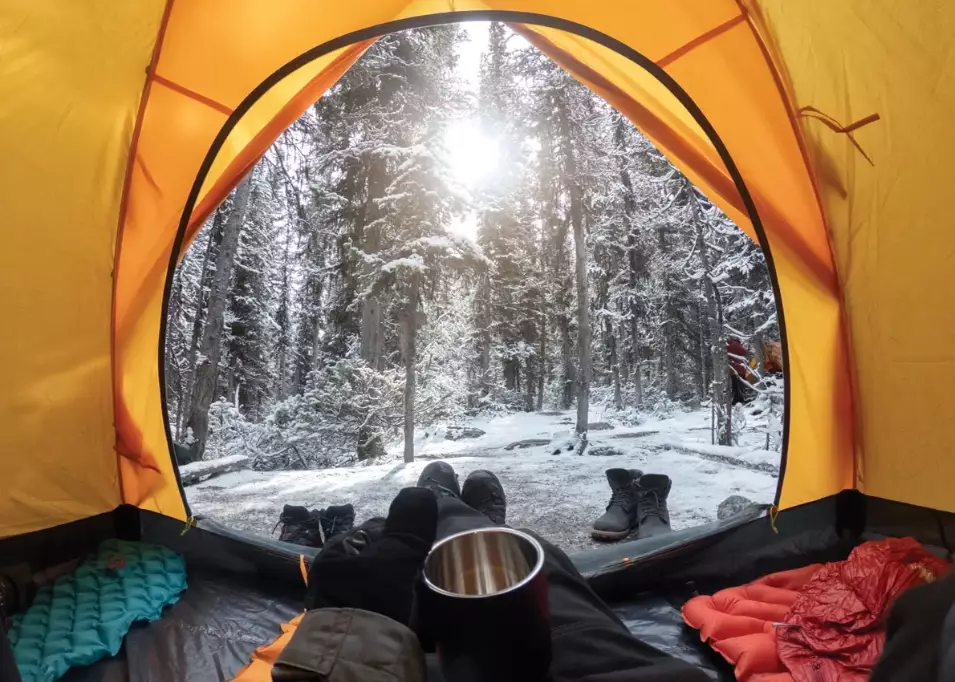
What's Inside This Guide?
The Right Mindset & Trip Planning
Your first winter trip shouldn't be a multi-day trek into remote backcountry. Start simple. A single overnight at a frontcountry campground (many are open year-round) or a short hike to a known shelter is perfect. The goal is to test your systems with a safety net nearby.
Weather is your boss. I check forecasts from at least three sources, like the National Weather Service and a mountain-specific forecast. I look beyond the temperature. Wind chill is the real killer. A calm 20°F (-6°C) is manageable. A windy 32°F (0°C) can be brutal. Pay equal attention to precipitation. Wet snow or freezing rain changes everything—it soaks gear, weighs down tents, and turns trails to ice.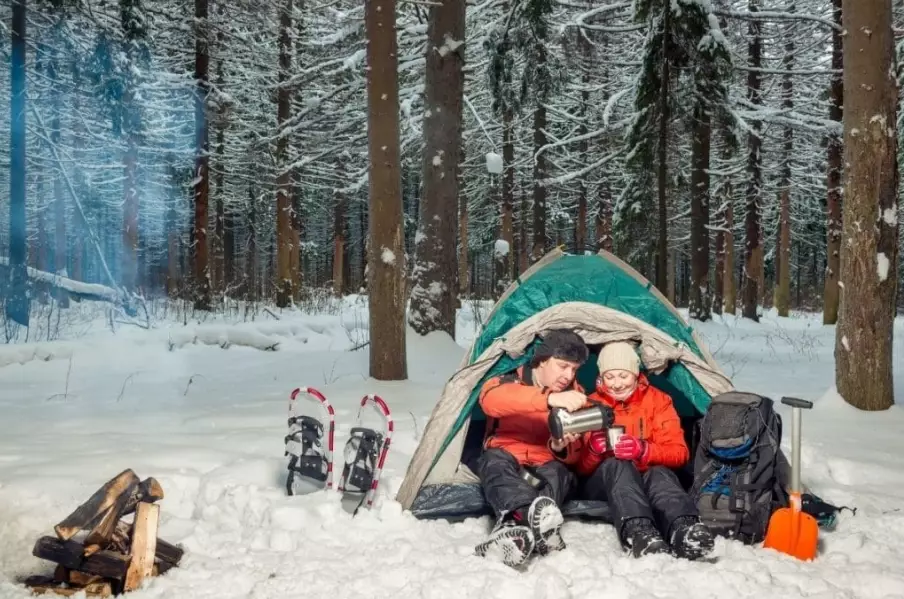
Your Core Warmth Systems: Sleep, Clothing, Cook
Forget "staying warm." Think "managing heat loss." You have three critical systems to master.
1. The Sleep System: Your Nighttime Lifeline
This is where most first-timers fail. Your summer setup won't cut it.
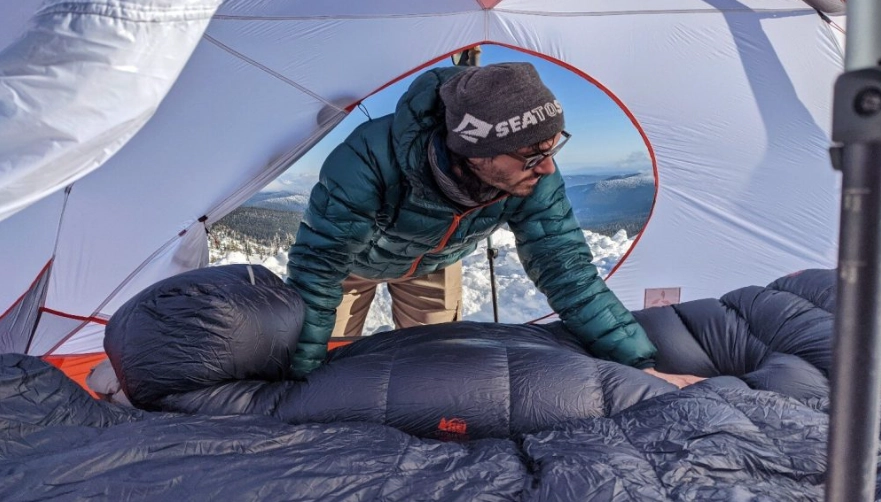
- Sleeping Bag: Get a bag rated at least 10°F (-12°C) lower than the coldest temperature you expect. If you plan for 20°F (-6°C), get a 10°F bag. Ratings are for survival, not comfort. Down is warmer for weight but useless when wet. Synthetic bags are bulkier but retain warmth when damp—a key consideration in wet climates.
- Sleeping Pad: Your bag's insulation gets crushed underneath you. The ground is a massive heat sink. You need a pad with a high R-Value (insulation rating). I use a combo: an inflatable pad with an R-Value of 4+ and a closed-cell foam pad underneath. This gives you redundancy (if the inflatable pops) and boosts total R-Value to 6 or more.
- Tent: A standard three-season tent can collapse under snow load and vents poorly, leading to massive condensation. A true four-season tent has stronger poles, less mesh, and strategic vents to manage moisture while blocking wind. If you're car camping or in sheltered trees, a robust three-season might work. Above treeline? You need the four-season.
2. The Clothing System: Layering is a Science
Cotton kills. It absorbs moisture and holds it against your skin, rapidly cooling you. Your entire kit should be wool or synthetic.
| Layer | Purpose & Material | Example Items |
|---|---|---|
| Base Layer | Wicks sweat away from skin. Merino wool or synthetic (polypropylene, polyester). | Long-sleeve top and bottoms. |
| Mid Layer | Insulates. Fleece, wool sweater, or lightweight puffy. | Grid fleece jacket, 100-weight fleece pants. |
| Outer Layer (Shell) | Blocks wind and precipitation. Breathable waterproof fabric (Gore-Tex, etc.). | Hardshell jacket and pants. |
| Insulation Layer | Warmth when static. Carried in pack, worn in camp. | Heavy down or synthetic puffy jacket. |
The trick is to vent before you sweat. Start cold when hiking. Unzip layers early. Damp clothes from sweat are a major heat drain later.
3. The Kitchen System: Melting Snow & Staying Hydrated
Liquid water sources are often frozen. You'll be melting snow, which is a fuel-intensive process.
A white gas stove or a canister stove with a pressure regulator (like the MSR WhisperLite Universal or Jetboil Moji) is essential. Standard canister stoves lose power dramatically below freezing. Keep canisters in your jacket or sleeping bag to warm them before use.
Always start with a bit of liquid water in the pot before adding snow. Putting snow directly on a hot pot can scorch the pot and give the water a nasty taste. Hydration is harder to notice in the cold, but just as critical. Insulate your water bottles with a sleeve or keep them upside down (ice forms at the top first). Use a wide-mouth bottle to prevent the neck freezing shut.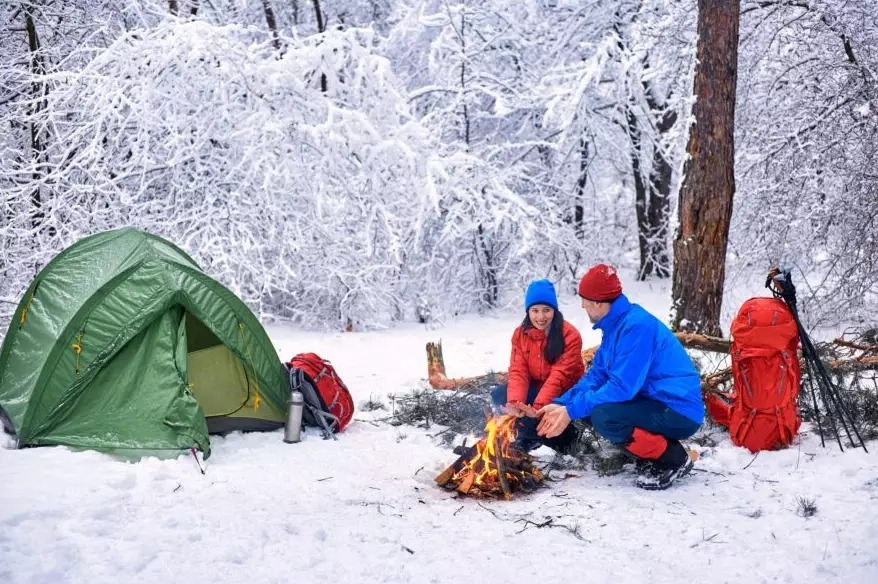
Other Non-Negotiable Winter Camping Gear
Beyond the big three systems, these items are crucial.
- Footwear: Insulated, waterproof boots with room for thick socks. Consider vapor barrier liners to keep foot sweat from dampening insulation.
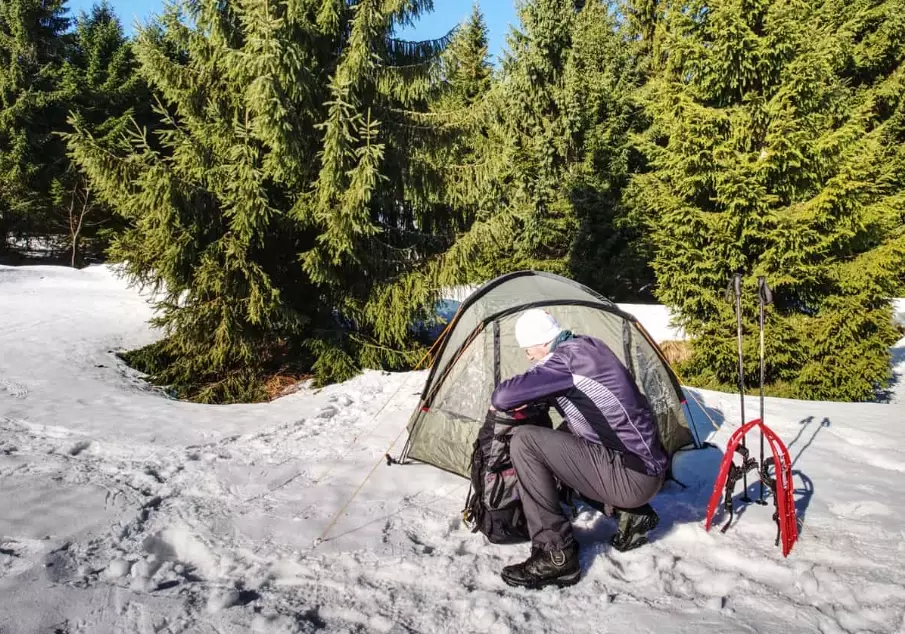
- Traction: Microspikes (like Kahtoola MICROspikes) for icy trails. Snowshoes for deep, unconsolidated snow.
- Light: Headlamp with extra batteries (cold drains them fast). A small lantern for tent ambiance is a luxury that feels essential.
- Navigation: Map, compass, GPS. Snow covers trails. Know how to navigate without a visible path. A GPS device like those from Garmin is invaluable.
- Trekking Poles: Essential for stability with a heavy pack on snow.
Camp Life & Daily Routines in the Cold
How you manage camp dictates your comfort.
Site Selection: Avoid open ridges (wind) and valley bottoms (cold air sinks). Look for a stand of trees that provides windbreak but isn't under dead branches that could drop snow. Pack down a tent platform with your snowshoes. It will settle overnight, so be ready to adjust guylines.
The Evening Ritual: Change into dry base layers for sleeping the moment you stop hiking. Your day clothes are damp. Boil water, not just for dinner, but to fill a Nalgene bottle. Put that hot bottle in a sock and toss it in the foot of your sleeping bag 30 minutes before bed. Game changer.
Managing Moisture: Condensation is inevitable. Vent your tent, even just a crack, even if it's cold. Keep wet boots and outerwear in the vestibule, not the sleeping area. In the morning, you can scrape frost from the inside walls with a tent sponge or glove.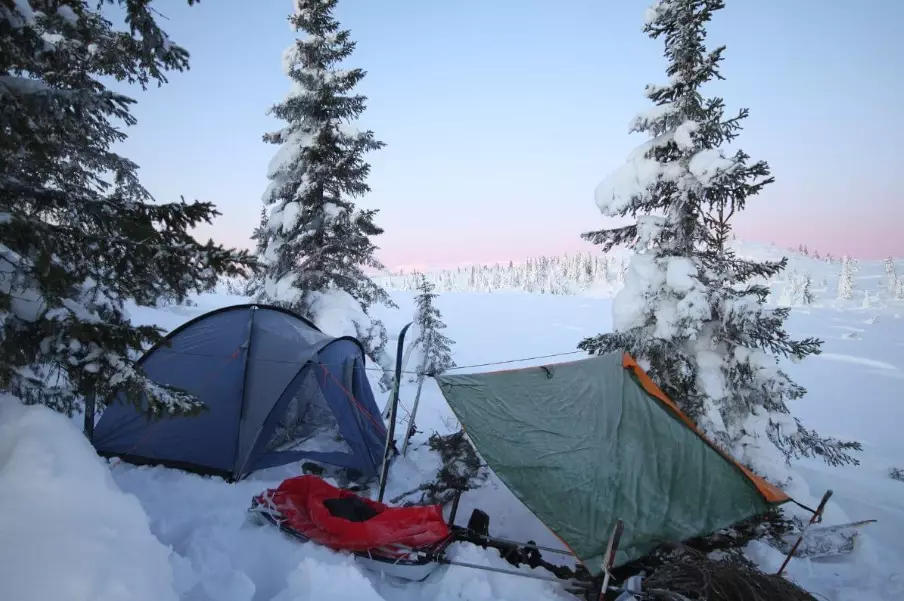
Winter Safety & Emergency Preparedness
Respect the environment. Hypothermia and frostbite are real risks.
- Know the Signs: Uncontrollable shivering (early hypothermia), confusion, slurred speech, loss of coordination. For frostbite: white, waxy, or numb skin, usually on extremities.
- Emergency Shelter: Always carry a lightweight emergency bivy or space blanket. If you get stuck, you can dig a snow cave or trench for immediate shelter from wind.
- Communication: A fully charged power bank and a satellite communicator (like a Garmin inReach or SPOT) are worth their weight in gold in remote areas where cell service is nonexistent.
- First Aid: Tailor your kit for winter. Include chemical hand warmers, a larger wound dressing, and knowledge of cold-related injuries.
Your Winter Camping Questions Answered
 Is a down or synthetic sleeping bag better for winter camping?