You can cruise down groomed blue runs without a second thought. The bunny hill is a distant memory. But when you look up at the black diamond sign or a field of moguls, that old hesitation creeps back in. Sound familiar? Welcome to the intermediate plateau—a frustrating purgatory where progress feels slow and the path forward is murky. I've taught skiing for over a decade, and I see this exact stall point trip up more skiers than any icy patch. The problem isn't a lack of effort. It's that the advice for intermediates is often vague. "Bend your knees more." "Use your edges." What does that even mean on a steep, bumpy slope?
This guide cuts through the generic tips. We'll move from simply surviving runs to actively controlling your skis with confidence. We're talking about the mechanics of a true carved turn, a sane strategy for tackling moguls, and the gear tweaks that make a tangible difference. Forget just getting down the mountain. Let's focus on how you ski down.
In This Article, You'll Learn:
The Carving Breakthrough: It's Not What You Think
Most intermediates are stuck in a skidded turn. You point your skis somewhat downhill and use friction to slow down and change direction. It works, but it's inefficient and leaves you vulnerable on harder snow. Carving is the game-changer. A carved turn means the edge of your ski is the arc of your turn, slicing through the snow like a knife. It generates power, speed control, and incredible stability.
The biggest misconception? Thinking you initiate a carve by twisting your upper body or aggressively throwing your hips. That just leads to a skid with more drama.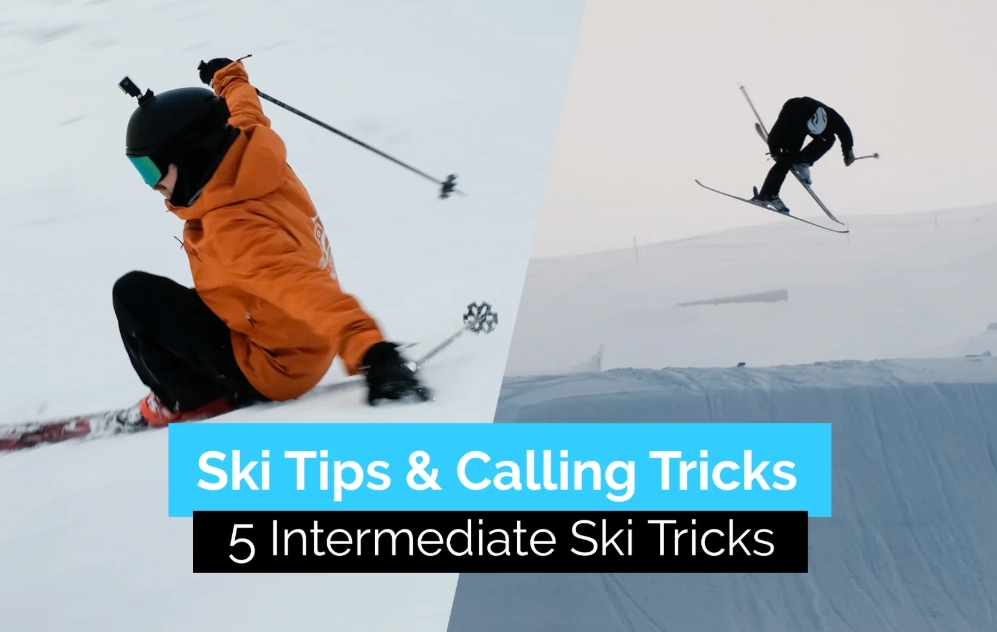
Key Insight: A true carve starts from the snow up, not from the shoulders down. Your primary job is to set your ski on its edge and let its sidecut geometry do the work.
How to Carve on Skis: A Step-by-Step Feel
Find a gentle, wide blue run with good grooming. The goal here is sensation, not speed.
1. The Set-Up: As you finish one turn, you should be balanced over your outside (downhill) ski. Your weight is on that foot. This is non-negotiable.
2. The Tipping Point (Literally): To start the new turn, think about rolling your knee and ankle slightly inward toward the hill. Don't shove your hip. Just a gentle roll of that outside leg. Feel the ski's edge begin to engage.
3. The Patience: Here's where everyone rushes. As the edge engages, you'll feel a natural pull into the turn arc. Resist the urge to steer or push the ski. Stay balanced over that outside foot and let the ski carry you across the hill. You should see a clean, pencil-thin line in the snow behind you.
4. The Release: To finish and start the next turn, simply roll your knees and ankles back to a neutral, flat position. The skis will release, and you can repeat the process to the other side.
It feels subtle at first. You're not fighting the snow; you're cooperating with your equipment. Practice this on easier terrain until the feeling of being "pulled" through the turn becomes familiar. Speed is a byproduct of good carving, not the goal.
Conquering Common Terrain: Moguls, Powder, & Steeps
Groomers are fun, but the mountain's real personality is off-piste. Here’s how to handle the stuff that makes intermediates nervous.
Skiing Moguls for Intermediates: The Line is Everything
Moguls aren't just random bumps. They form in fall lines where skiers turn. The secret is to use their shape, not fight it. The most common mistake I see is staring at the bump right in front of your tips. Your body follows your eyes, and you plow straight into it.
Look 2-3 bumps ahead. Find the "line"—the path of least resistance that connects the troughs (the valleys between bumps). Your turn happens in the trough, using the side of the bump to help you swing around. It's a rhythm: absorb the bump with your legs as you cross the top, turn in the trough, extend into the next absorption.
Start on a run with small, spaced-out moguls. Don't try to turn on every single one. Pick a line that lets you make a turn every other bump. Control your speed by controlling your line, not by skidding desperately.
First Time in Powder & Steep Runs
Powder: The golden rule is to stay centered or even slightly back. Leaning forward will dive your tips under the snow. Keep your skis closer together than usual—they act as one platform. Make smooth, rounded turns. Don't jerk or try to pivot quickly. Let the snow slow you down. If you fall, it's soft. Just make sure you can find your skis.
Steeps: Fear makes you lean back, which is the worst thing you can do. It puts you out of control. You must commit your weight forward, over your boots. Make decisive, confident turns. Hesitation is your enemy. Look for natural turn spots—slight roll-overs or changes in pitch. Trust that your edges will hold if you put pressure on them.
Gear That Actually Helps (Not Just Looks Cool)
You don't need the latest pro-model skis, but the right gear for your level makes learning easier. Renting? Don't just take whatever they give you. Ask.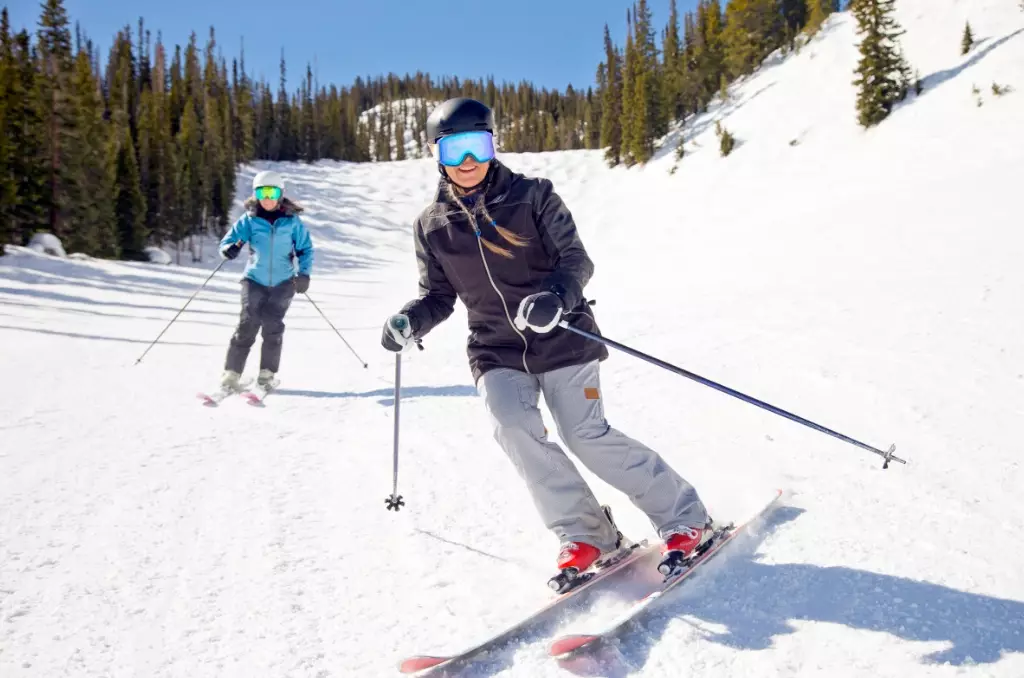
| Gear Item | Intermediate Sweet Spot | Why It Matters |
|---|---|---|
| Ski Type & Width | All-Mountain, 85-100mm underfoot | Versatile enough for groomers, soft snow, and a bit of chop. Narrow enough to learn proper edging on hard pack. |
| Ski Length | Chin to forehead height | Shorter skis are easier to pivot (good for moguls), longer skis are more stable at speed. Chin-height is a great, forgiving middle ground. |
| Boot Flex | Flex Rating 90-110 | Stiff enough to transmit energy to your skis for carving, but soft enough to be forgiving and allow ankle flexion for absorption. |
| Most Overlooked Item | Ski Tuning | Dull edges won't hold on ice. Sticky bases are slow. A basic professional tune (sharp edges, waxed base) 2-3 times a season transforms performance. |
Personal take: I'd rather ski a season on a well-tuned, 5-year-old intermediate ski than a brand-new, untuned expert ski. The tune matters that much.
The Mental Game: From Hesitation to Flow
Your brain is your biggest asset or your worst enemy. The intermediate plateau is often a mental block.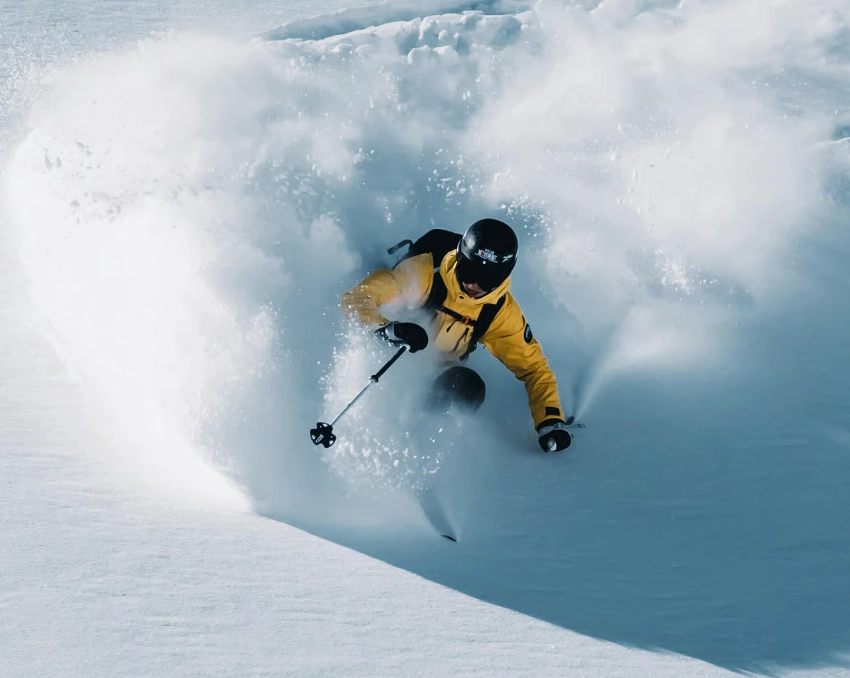
- Stop Comparing: Someone will always be better. Focus on your own line, your own improvement. Did you carve three turns cleaner than yesterday? That's a win.
- Break the Run Down: A steep, bumpy black diamond looks impossible as a whole. Don't look at the entire run. Pick a single, achievable target: "I'm going to make three good turns to that tree." Then three more.
- Fall (On Purpose): Seriously. On a safe, soft slope, practice falling and getting up. Remove the fear of the fall itself. It's part of skiing. Knowing you can handle it reduces anxiety.
- Breathe: Tense skiers hold their breath. It locks up your core. Make a conscious effort to exhale as you initiate a turn, especially in challenging terrain. It forces relaxation.
Your Top Intermediate Skiing Questions, Answered
I can link turns fine on blues, but on steeper terrain I end up side-slipping or making a few panic turns. What's missing?
This almost always comes down to upper-lower body separation. On steeps, you instinctively want to face your whole body down the hill for a sense of security. This forces your skis into a skid. Practice keeping your shoulders and hips facing more across the hill (down the fall line), while your legs and feet turn back and forth underneath you. This "counter-rotation" keeps you stable and allows your edges to grip for a carved turn, not a slide.
How do I know if my ski boots are fitted correctly? They don't hurt, but something feels off.
Lack of pain is a low bar. A good fit means zero lift of your heel when you flex forward. Your toes should lightly brush the front when standing straight, but pull back slightly when in a skiing stance (ankles flexed). The biggest issue I see is a boot that's too big. People buy for comfort on day one, but a boot will pack out. That extra space means you're muscling the ski instead of your foot moving precisely inside the boot. Go see a professional bootfitter—it's the best investment in your skiing.
 Are ski lessons still worth it for an intermediate? I feel like I know the basics.
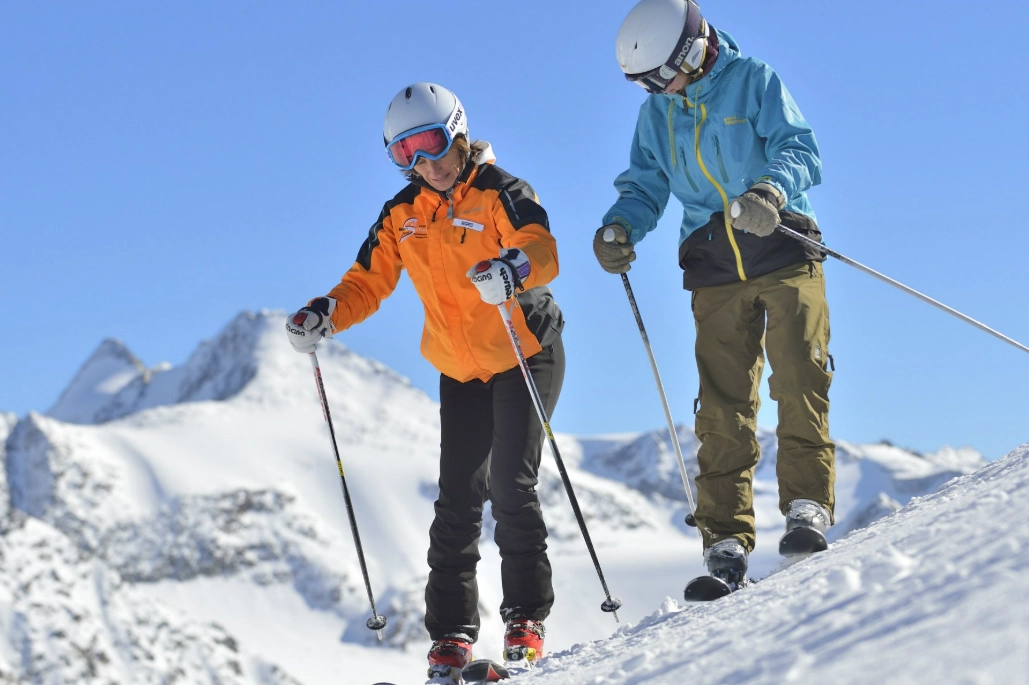
This is where lessons become more valuable, not less. A beginner lesson teaches you how not to die. An intermediate lesson with a good instructor dissects your specific technique flaws—the subtle hip twist, the inside ski that's unweighted, the timing of your pole plant. They can see what you can't feel and give you 2-3 specific drills to work on. Consider a half-day private or a focused group clinic on a specific skill like moguls or carving. It's a shortcut through the plateau.
My legs burn out so quickly, especially in moguls. Is it just a fitness issue?
Fitness helps, but inefficient technique is the real killer. Burning legs usually mean you're in the "backseat" (leaning back) or you're staying in a static, crouched position, fighting gravity with muscle. Efficient skiing uses momentum and bone alignment. In moguls, you should be actively extending and absorbing with your legs—like a spring. If you're locked in a squat, every bump jars your entire body. Focus on staying forward and moving your legs up and down independently of your upper body. The burn will decrease as your movement becomes more dynamic and less static.