Let's be honest. Taking your dog on a real hike is a different beast compared to your neighborhood stroll. The stakes are higher, the variables more unpredictable, and the rewards infinitely greater. I've been hitting trails with my dogs for over a decade—a Labrador who thought every puddle was a spa and a high-energy Border Collie mix who'd hike until her paws fell off. I've made every mistake in the book so you don't have to. This guide isn't about vague advice; it's the actionable, sometimes hard-learned knowledge that bridges the gap between wanting to go on an adventure and actually having a safe, stress-free one with your canine partner.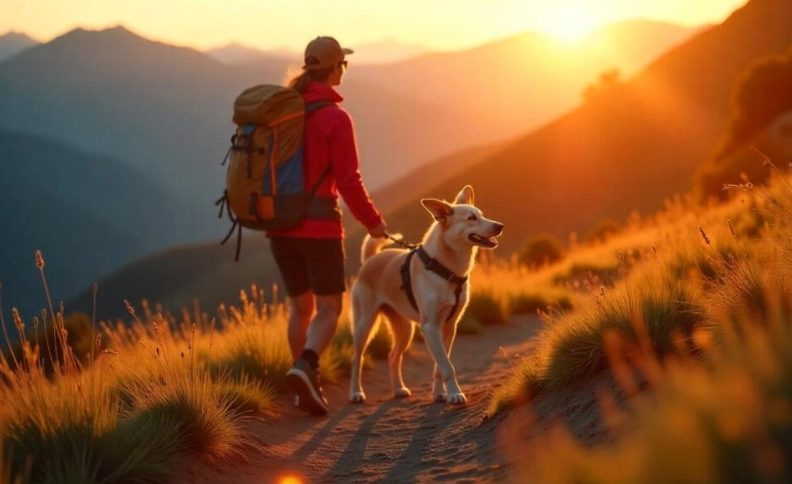
Your Trail Map to This Guide
The Non-Negotiable Gear Checklist
Forget the fancy, Instagram-ready accessories. Your dog's gear needs to be functional, durable, and fit for purpose. A poor-fitting harness can cause chafing that ruins the trip and requires a vet visit.
What Gear Do You Really Need for Hiking with a Dog?
This table breaks down the essentials versus the nice-to-haves. I'm including specific product types I've trusted, not brands, because fit is king.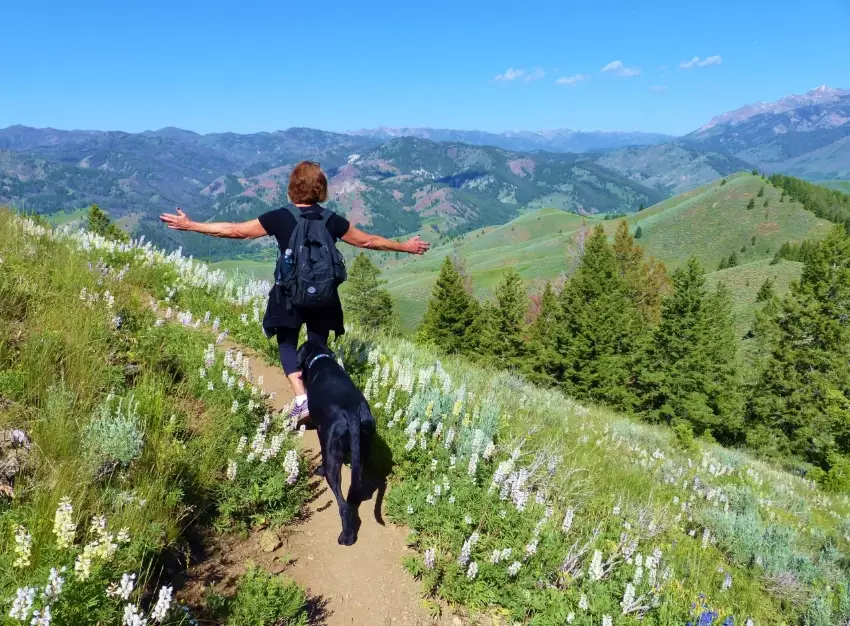
| Item | Why It's Essential | Pro-Tip / What to Avoid |
|---|---|---|
| Harness (not a collar) | Distributes pressure across the chest, prevents neck injury, gives you better control on steep sections. | Look for a "Y-front" design that doesn't restrict shoulder movement. Avoid cheap, all-nylon harnesses that soak up water and sweat. |
| Leash (6-foot, hands-free option) | Mandatory for control and safety. A hands-free waist leash frees you up for poles or scrambling. | Retractable leashes are a hard no. They offer zero control on narrow trails and can snap. A sturdy 6-foot nylon or biothane leash is perfect. |
| Dog-Specific Backpack | Lets your dog carry its own water, food, and waste bags. Builds purpose and tires them mentally. | Never let a dog carry more than 25% of its body weight. Start empty on short walks to get them used to it. The pack should sit high on the back, not on the shoulders. |
| Collapsible Bowl & Water | Dehydration is a silent danger. Dogs need more water on trails than at home. | Carry at least 1 liter of water per dog for a 2-3 hour hike. Offer water every 20-30 minutes. I use a 1L soft flask just for my dog. |
| Paw Protection | Rough terrain, hot surfaces, ice, and sharp rocks can tear paw pads. | Musher's Secret wax is great for prevention. For severe terrain or injured paws, properly fitted dog boots (like Ruffwear Grip Trex) are lifesavers. Don't assume your dog's paws are "tough." |
| High-Value Treats & Poop Bags | Reinforcement for good behavior and managing distractions. Pack out all waste. | Use smelly, moist treats (freeze-dried liver) not kibble. Bring 3x the bags you think you'll need. |
The One Item I Never Hike Without: A simple towel. Not for you, for your dog. Wiping down their paws and belly after a hike checks for injuries, removes burrs and ticks, and prevents them from drinking muddy, stagnant water from a puddle in the parking lot (a lesson learned the hard way).
How to Choose the Right Trail for Your Dog?
Picking a trail based on what *you* want is the first major mistake. You have to filter every option through your dog's lens: age, breed, fitness, and temperament.
That stunning 8-mile alpine ridge hike with scrambling sections? Probably not the debut for your 9-month-old puppy or your brachycephalic (short-nosed) Bulldog.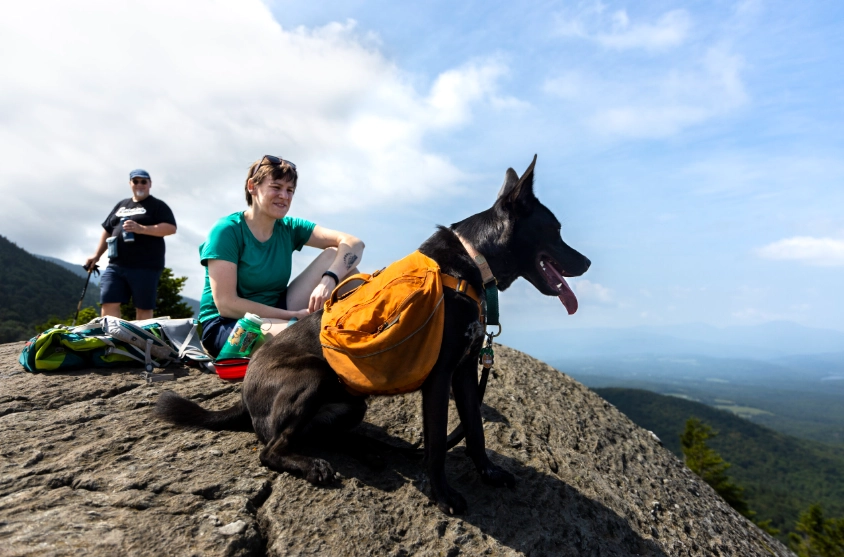
Evaluating a Trail: The Dog-Centric Checklist
Before you even look at the scenery, ask these questions:
- Surface & Terrain: Is it loose shale, sharp rock, soft forest duft, or sand? Each has pros and cons for paws.
- Elevation Gain & Distance: Match it to your dog's current fitness. A flat 2-miler is a better start than a steep 5-miler.
- Water Access: Are there reliable, flowing water sources (streams, rivers) along the trail? Don't count on it. Always carry your own.
- Shade Coverage: Is the trail exposed or forested? This is critical for hot weather hiking.
- Regulations: Is it a dog-friendly hiking trail? Check the managing agency's website (e.g., National Park Service, US Forest Service). Many national parks prohibit dogs on trails, while national forests are often more lenient. State and local park rules vary wildly.
- Popularity & Wildlife: A crowded trail means more distractions and potential unfriendly dogs. A remote trail heightens wildlife encounters.
Here are two concrete examples of how to apply this thinking:
Trail A (Beginner-Friendly): Pine Grove Loop, State Forest. 3 miles round trip, 200 ft elevation gain. Mostly packed dirt under pine canopy (shade, soft surface). A small, reliable creek crosses the trail at the halfway point. Leash required. Why it's good: Manageable distance, shade, water access, clear rules. Perfect for a first hike or a senior dog.
Trail B (Advanced/Prepared Dogs Only): Granite Peak Trail, Wilderness Area. 7 miles round trip, 1800 ft gain. Exposed granite slabs for the second half, no reliable water, leash optional but recommended due to mountain goats. Why it's challenging: Hard on paws, significant climb, heat exposure, wildlife, requires excellent recall.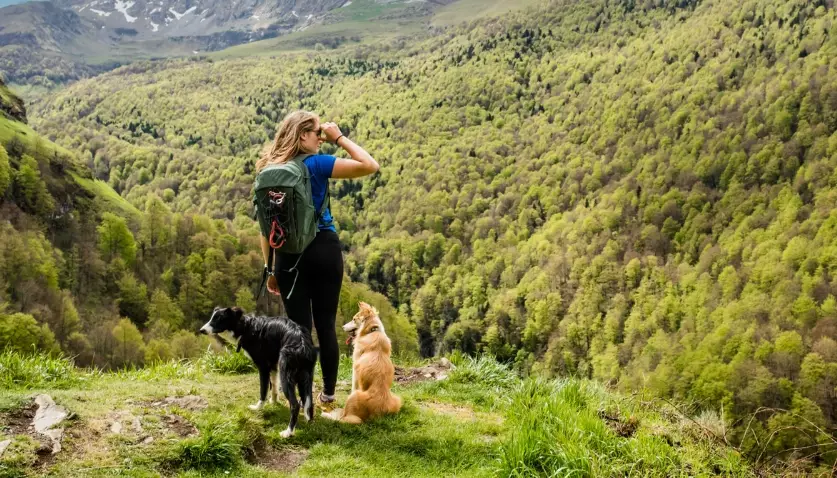
On-Trail Safety: Beyond the Leash Law
Leashing is rule number one, but safety goes much deeper. The biggest threats are often silent.
Heatstroke is a Killer. Dogs don't sweat like we do. They cool by panting and through their paw pads. On a 75°F (24°C) day, a dark-colored dog on a sunny trail can overheat in under 30 minutes. Signs include excessive panting, bright red gums, stumbling, and vomiting. If you see this, stop immediately. Get to shade, pour cool (not ice-cold) water on their belly and groin, and seek vet care.
Other critical safety points:
- Wildlife: Your dog's curiosity can provoke a defensive reaction from snakes, bears, or moose. A leash prevents them from charging. Know the local wildlife and carry bear spray where appropriate.
- Water Hazards: Fast-moving rivers, algae blooms (toxic in still ponds), and thin ice are all dangers. Not all dogs are natural swimmers. A canine life jacket is a smart investment for water-heavy hikes.
- Falling & Terrain: Steep drop-offs, loose scree, and log crossings require you to assess your dog's ability. You may need to scout ahead or even carry a small dog. My rule: if I'm hesitant about a section, it's a no-go for my dog.
The Training Foundation Most Owners Skip
You can have all the right dog hiking gear, but without basic obedience, you're setting yourself up for frustration. The trail is the final exam, not the classroom.
The three most important commands aren't "sit" and "shake." They are:
- A Bombproof Recall ("Come"): This isn't for the backyard. This is for when your dog spots a squirrel 50 yards down a cliffside. Practice with insane-value rewards in increasingly distracting environments long before the hike.
- Leave It: For that rotting carcass, the pile of human garbage, the toxic mushroom, or the porcupine. This command can prevent a veterinary emergency.
- A Solid "Wait" or "Stop": For trail junctions, before crossing a road, or when you need to assess danger ahead. This gives you control in critical moments.
I spent six months reinforcing "leave it" with my Labrador. It paid off when he froze, looked at me, and backed away from a rattlesnake I hadn't even seen. Training isn't a chore; it's your primary safety tool.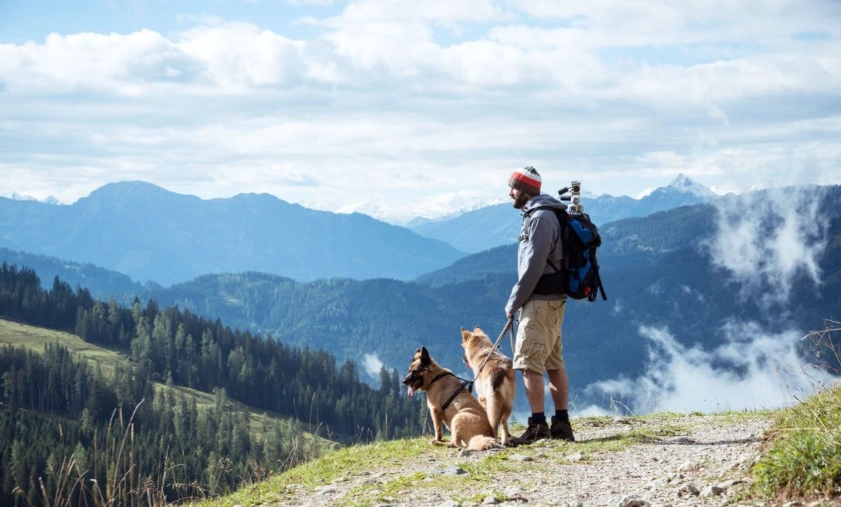
Canine First-Aid: What's Actually in Your Pack?
A human first-aid kit isn't enough. Tailor one for your dog. Here’s what I actually use, not just what a generic list says:
- Benadryl (Diphenhydramine): For allergic reactions (bee stings, plants). Know your dog's dosage (typically 1 mg per pound of body weight). Ask your vet before the trip.
- Tick Removal Tool: Faster and more effective than tweezers for removing ticks whole.
- Non-Stick Pads & Vet Wrap: For wrapping paw injuries. Vet Wrap sticks to itself, not fur.
- Blunt-Tip Scissors: For cutting matted fur, tape, or webbing from a dog pack.
- Digital Thermometer (pet-specific): To check for fever or hypothermia. Normal canine temp is 101-102.5°F.
- Saline Solution: To flush out dirt from eyes or wounds.
- Emergency Slip Lead: A spare, in case a collar breaks or a harness buckle fails.
Take a pet first-aid course. The Red Cross offers one, and it teaches skills like canine CPR. It's the most responsible thing a hiking dog owner can do.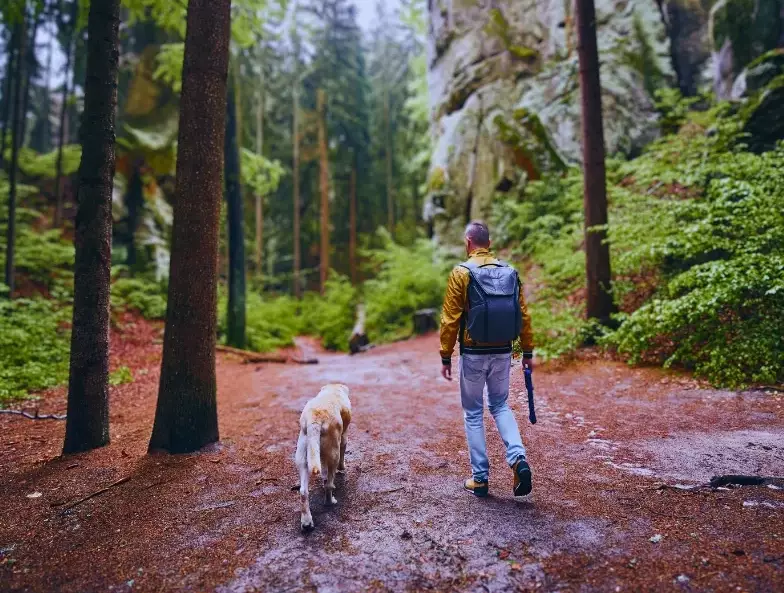
Unwritten Trail Etiquette for Dog Owners
We dog hikers are ambassadors. One bad actor can lead to trails being closed to all dogs. Etiquette is about respect.
- Yield the Trail: Step off the trail with your dog under control when passing hikers, horses, or mountain bikers. For horses, step downhill and speak calmly so the horse identifies you as human.
- Full Leash Control: Even if leashes are "optional," if your dog doesn't have instant recall, leash up. Not everyone loves dogs, and some are terrified.
- Manage the Meet & Greet: Never let your dog run up to another dog or person without explicit permission. A simple "Is your dog friendly?" goes a long way.
- Pack Out EVERYTHING: This includes used poop bags. I've seen them tied to trees like disgusting ornaments. Carry a zip-lock bag to seal used bags inside your pack. It's not that hard.
- Protect Water Sources: Don't let your dog relieve itself within 200 feet of a stream, river, or lake.
Your Burning Questions, Answered
 Are there specific times of day or year that are best for hiking with dogs?