Let's cut to the chase: camping is fun until something goes wrong. I've spent over a decade hiking and camping across places like Yellowstone and the Appalachian Trail, and I've seen too many close calls—from minor burns to near-misses with bears. The biggest mistake? People think safety is just common sense, but it's not. It's about specific, often overlooked actions that can save your trip or even your life. This guide dives deep into camping safety precautions, moving beyond the basics to cover what most articles miss.
Quick Navigation: What You'll Learn
Pre-Trip Preparation: The Foundation of Safety
Most campers rush this part. They pack a tent, some food, and head out. Bad move. Preparation starts weeks before you leave. First, research your destination. Check the weather forecasts, but don't trust them blindly—mountain weather changes fast. I once camped in Colorado where a sunny forecast turned into a hailstorm in hours. Use resources like the National Weather Service for updates.
Next, gear. It's not just about having stuff; it's about having the right stuff. A common pitfall: skimping on a sleeping bag rated for cold temperatures. If you're camping in fall, a summer bag won't cut it. Here's a checklist I swear by:
- Shelter: Tent with rainfly, stakes, and footprint. Test it at home first—I've seen tents missing poles.
- Sleep system: Sleeping bag rated 10°F below expected lows, sleeping pad for insulation.
- Clothing: Layers—moisture-wicking base, insulating mid, waterproof outer. Cotton kills in wet conditions.
- Navigation: Map and compass, not just GPS. Batteries die, and signals drop. The U.S. Geological Survey offers topo maps.
- Lighting: Headlamp with extra batteries, plus a backup flashlight.
Tell someone your plans. Share your route, expected return time, and emergency contacts. If you go missing, this info is gold for rescuers. I learned this the hard way when a friend got lost in a state park—no one knew where he was, and search efforts were delayed.
How to Choose a Safe Campsite Location
Picking a spot isn't just about the view. Avoid low areas that flood during rain. Look for level ground away from dead trees—they can fall in wind. In bear country, camp at least 100 yards from cooking areas and food storage. The U.S. Forest Service has guidelines on dispersed camping.
Campsite Safety: Setting Up a Secure Base
Once you arrive, don't just drop your bags. Scan the area. Look for animal tracks, insect nests, or loose rocks. Set up your tent with the door facing away from prevailing winds—this reduces drafts and rain entry. Use a footprint to protect the tent floor; I've punctured mine on sharp roots before.
Food storage is critical. Never keep food in your tent. It attracts wildlife. Use bear canisters or hang food from a tree branch 10 feet high and 4 feet from the trunk. In some parks, like Yosemite, bear-proof lockers are provided. I've seen raccoons chew through backpacks left outside overnight.
Here's a table summarizing key campsite safety checks:
| Checkpoint | Why It Matters | Common Mistake to Avoid |
|---|---|---|
| Tent Placement | Prevents flooding and wind damage | |
| Food Storage | Reduces wildlife encounters | Leaving snacks in the tent |
| Fire Pit Setup | Minimizes wildfire risk | Building a fire near overhanging branches |
| Water Source Proximity | Ensures access without contamination | Camping too close to streams, polluting water |
Lighting a campfire? Clear a 10-foot radius of leaves and debris. Keep a bucket of water or sand nearby. Never leave it unattended—I once saw a fire spread to nearby grass because someone walked away for "just a minute."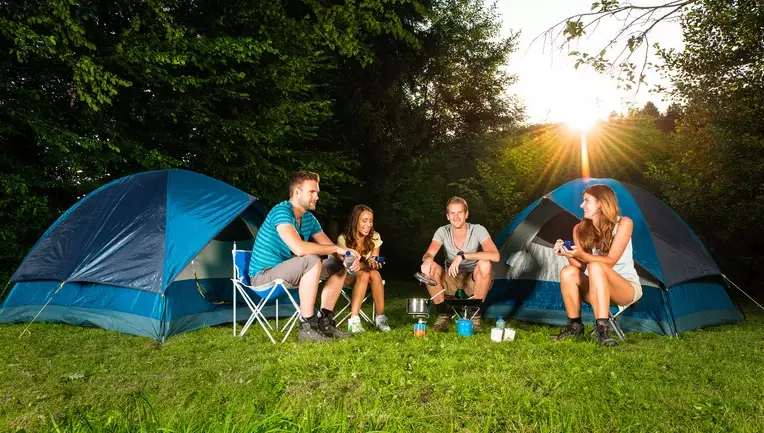
Handling Fire, Wildlife, and Weather
These three elements cause most camping emergencies. Let's break them down.
Fire Safety Measures That Most People Ignore
Everyone knows to put out fires, but few do it right. Drown the fire with water, stir the ashes, and drown again until it's cold to the touch. Use a stick to check—if it steams, it's not out. In dry regions, check for fire bans; the National Interagency Fire Center posts updates. A non-consensus tip: avoid using flammable liquids to start fires; they can cause flare-ups. Instead, use dry kindling and a fire starter.
Wildlife Encounters: Beyond Bear Spray
Bears get all the attention, but smaller animals like snakes and mosquitoes are bigger threats. For bears, make noise while hiking to avoid surprises. Carry bear spray and know how to use it—practice the removal motion. If you see a bear, don't run; back away slowly. For snakes, watch where you step, especially in rocky areas. I nearly stepped on a rattlesnake in Arizona because I was distracted by scenery.
Mosquitoes can carry diseases. Use EPA-registered repellent with DEET or picaridin. Wear long sleeves at dawn and dusk. Ticks are another concern; check your body daily. A friend got Lyme disease from a tick bite during a camping trip in New England.
Weather Preparedness: When Nature Turns Nasty
Thunderstorms are common in summer. If you hear thunder, seek shelter in a vehicle or low-lying area—not under tall trees. Lightning can strike from miles away. In cold weather, hypothermia is a silent killer. Watch for shivering, confusion, and slurred speech. Get the person dry and warm immediately. I've treated mild hypothermia by sharing a sleeping bag with a shivering camper.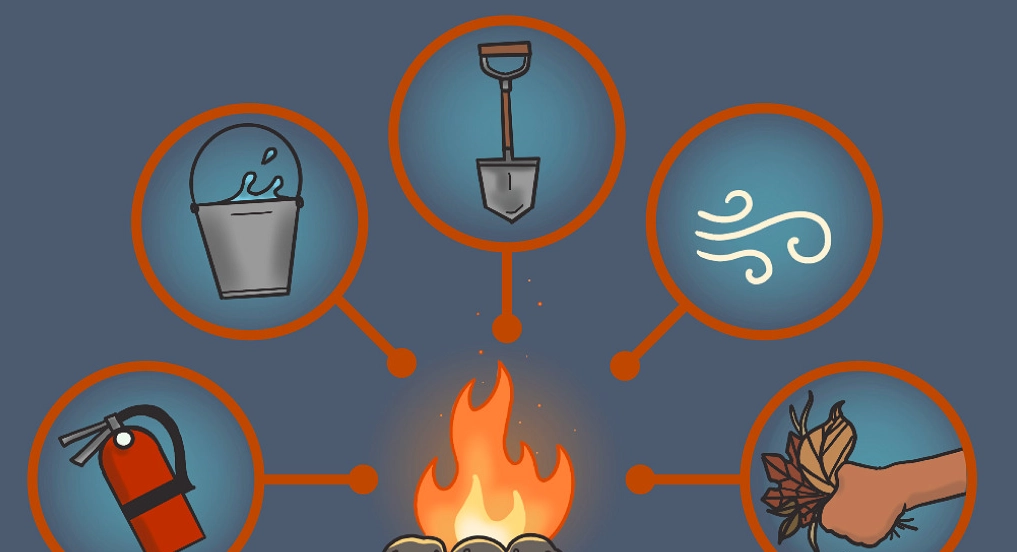
Emergency Preparedness and First Aid
Accidents happen. A basic first aid kit isn't enough; you need to know how to use it. Take a wilderness first aid course—organizations like the American Red Cross offer them. Your kit should include:
- Adhesive bandages and gauze for cuts
- Antiseptic wipes and antibiotic ointment
- Tweezers for splinters or ticks
- Pain relievers like ibuprofen
- Medical tape and scissors
- Emergency whistle and signal mirror
For serious injuries, like a broken bone, stabilize the area and call for help. If you have no signal, use the whistle—three blows is a distress signal. I once helped a hiker with a sprained ankle by improvising a splint with sticks and bandanas.
Navigation failures are common. If you get lost, STOP: Stop, Think, Observe, Plan. Don't wander; stay put to conserve energy. Use the signal mirror to attract attention during the day. At night, a flashlight can signal SOS (three short, three long, three short).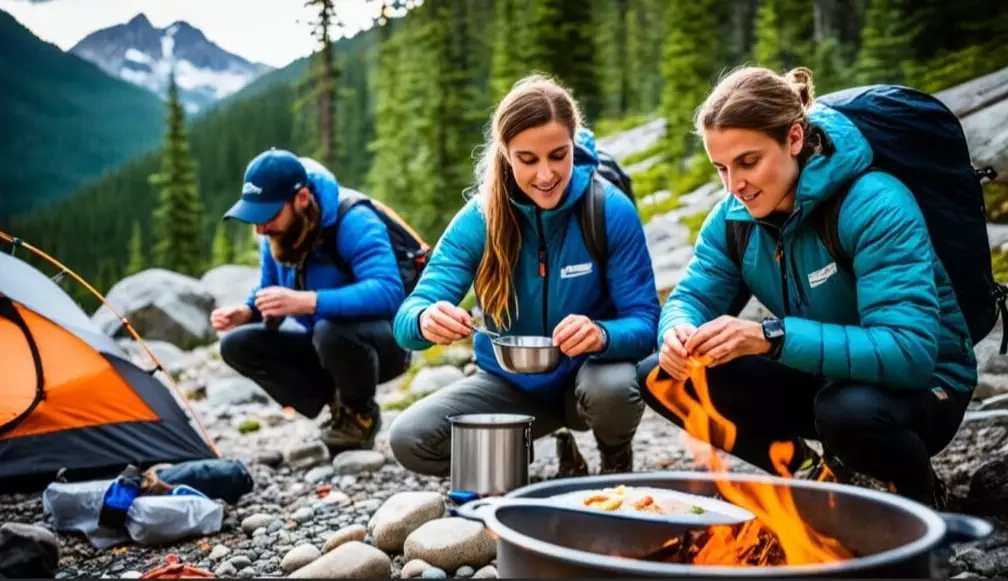
Common Camping Safety Questions Answered
 Camping safety isn't about fear; it's about respect for nature. By following these precautions, you reduce risks and enjoy the outdoors more. Remember, the goal is to come back with stories, not scars. Pack smart, stay alert, and always have a backup plan. Happy camping!