Baking bread at home isn't just about saving a trip to the bakery. It's about the smell that fills your kitchen, the crackle of the crust as it cools, and the undeniable pride of slicing into a loaf you made from scratch. Forget the intimidation. With a bit of flour, water, yeast, salt, and this guide, you're closer than you think.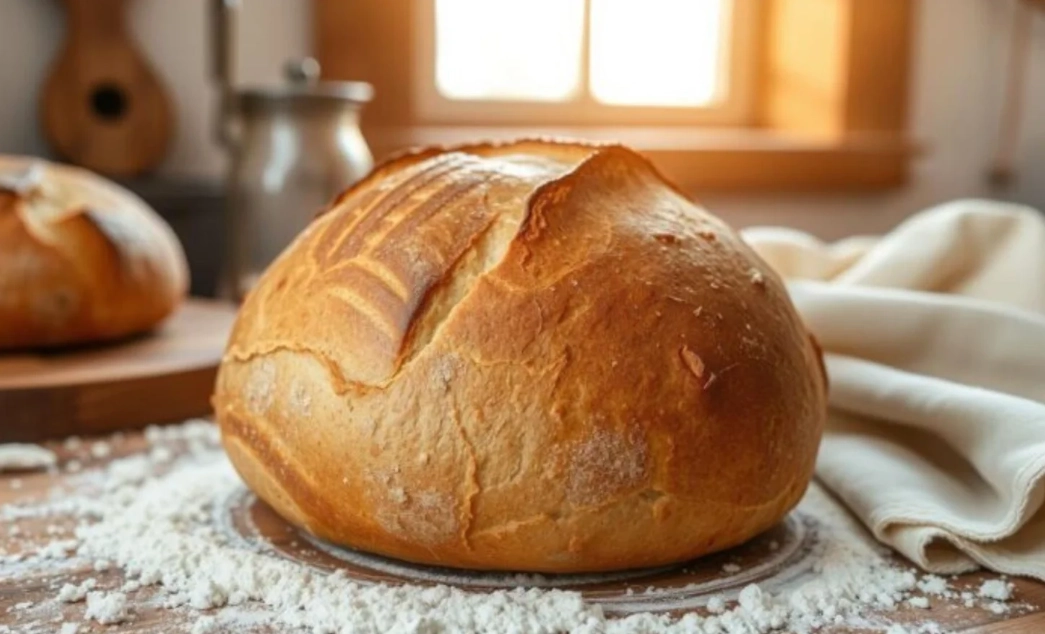
What You'll Learn in This Guide
How to Choose the Right Flour for Your Bread
This is where most beginners get it wrong without even knowing. You grab all-purpose flour because it's there. But flour is the skeleton of your bread. The protein content, listed right on the bag, determines your bread's destiny.
All-purpose flour (around 10-12% protein) is a compromise. It works, but it won't give you that chewy, open crumb of a true artisan loaf. For that, you need bread flour (12-14% protein). The higher protein means more gluten potential, which means more structure and chew. I made flat, dense bricks for months before I switched to bread flour. The difference wasn't subtle.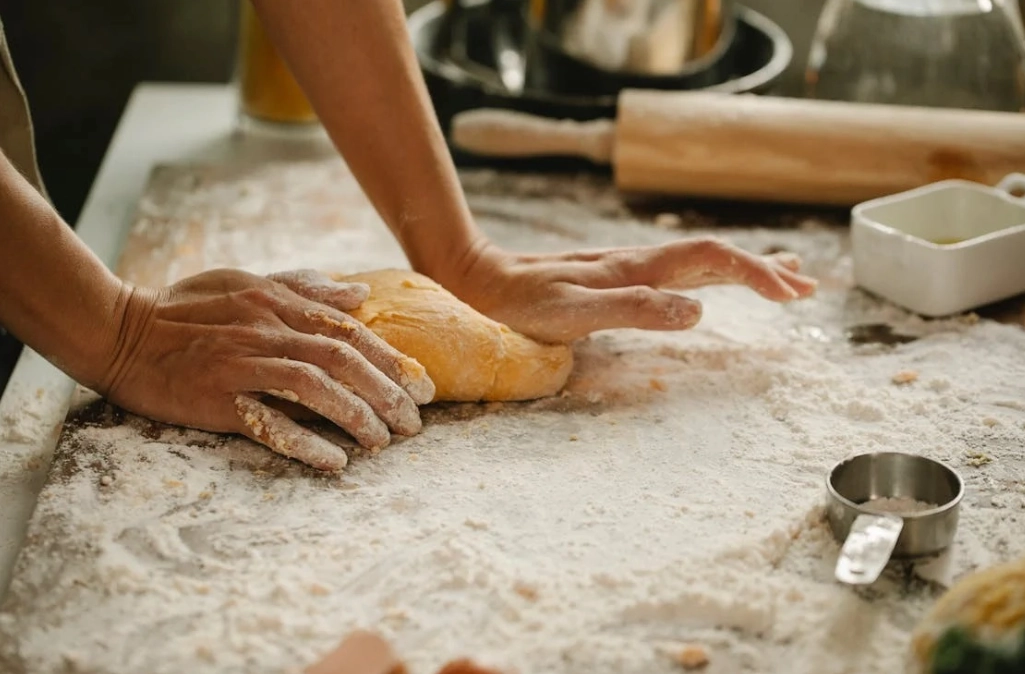
My go-to for a classic rustic loaf: King Arthur Bread Flour. It's consistently high-protein and unbleached. If you're in Europe, look for "strong white bread flour." The brand matters less than the protein percentage.
Whole wheat flour adds flavor and nutrition but absorbs more water and can make the loaf dense. Start by substituting 25% of your white flour with whole wheat. Don't jump to 100% whole wheat—it's a recipe for disappointment unless you're an advanced baker adjusting hydration and proof times.
Understanding Yeast and Fermentation
Yeast is the engine. It eats sugar, farts carbon dioxide (which makes the bread rise), and produces alcohol and acids (which give flavor). Most recipes call for active dry yeast. Instant yeast works too, and you can usually use it interchangeably without "activating" it in water first.
Here's the non-consensus part: everyone obsesses over the yeast. The real magic is time. A tiny amount of yeast left to ferment for a long time (overnight in the fridge, for example) produces infinitely more complex flavor than a lot of yeast working quickly. This slow fermentation is the secret behind bakery-quality taste.
I keep a jar of instant yeast in my fridge. A single packet lasts me ages because I use less and let time do the work.
| Yeast Type | Best For | Key Tip |
|---|---|---|
| Active Dry | Beginners, recipes with "proofing" step | Dissolve in warm water (105-115°F) with a pinch of sugar to check activity. |
| Instant | Convenience, direct mixing with dry ingredients | You can use about 25% less than active dry yeast. |
| Fresh/Cake Yeast | Professional bakers, rich doughs | Use 3x the weight of dry yeast. Perishes quickly. |
The Real Deal on Kneading and Gluten Development
Kneading isn't about brute force. It's about organizing the gluten proteins (glutenin and gliadin) into a strong, elastic network that can trap gas. You can knead by hand, in a stand mixer, or use a no-knead method.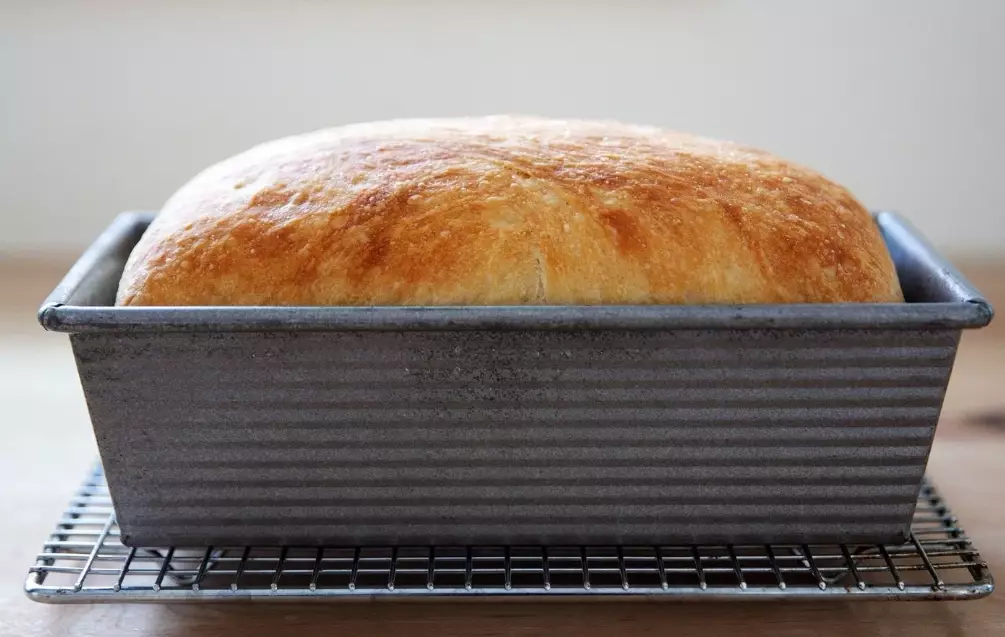
The windowpane test is your best friend. Take a small piece of dough and gently stretch it. If you can stretch it thin enough to see light through it without it tearing, you've developed enough gluten. If it tears immediately, keep kneading.
Hand-kneading tip: Use a bench scraper. Your dough will be sticky at first. Instead of adding more flour (which makes the bread dry), use the scraper to fold and turn the dough. After 8-10 minutes, it will transform from a shaggy mess into a smooth, elastic ball. Adding extra flour is the number one mistake I see.
No-knead methods rely on long, slow fermentation to develop gluten autolytically. It works brilliantly for wet, slack doughs like ciabatta. You mix, you wait (12-18 hours), you shape, you bake. It's less work but requires planning.
The Autolyse Rest: A Game Changer
This is a pro trick that costs you nothing. After mixing just flour and water, let the dough rest for 20-60 minutes before adding yeast and salt. This allows the flour to fully hydrate and gluten strands to start forming naturally. When you finally add the yeast and salt, the dough is already halfway there, requiring much less kneading. My kneading time dropped by half after I started doing this.
Mastering the Proofing Process
Proofing (or proving) is the rising stage. There are usually two: bulk fermentation (the first rise) and proofing after shaping (the final rise).
Temperature is your control knob. A warm spot (75-80°F) speeds things up. A cool spot (like your kitchen counter on a winter day) or the fridge (retardation) slows it down, deepening the flavor. Don't just go by the clock in the recipe. Go by the look and feel of the dough.
For bulk fermentation, the dough should look puffy and nearly doubled. Poke it with a wet finger. If the indentation springs back slowly and partially, it's ready. If it springs back fast, it needs more time. If it doesn't spring back at all and collapses, it's overproofed.
Shaping is next. You're not just making a ball; you're creating surface tension. This tension is what gives your loaf a nice round shape and helps it rise upwards in the oven, not just spread out. There are a hundred shaping videos online. Watch a few. The key is a gentle hand—you don't want to degas the dough completely.
For the final proof, the poke test works again. The dough should feel airy and jiggle slightly when you shake the pan. This stage is more delicate than the first.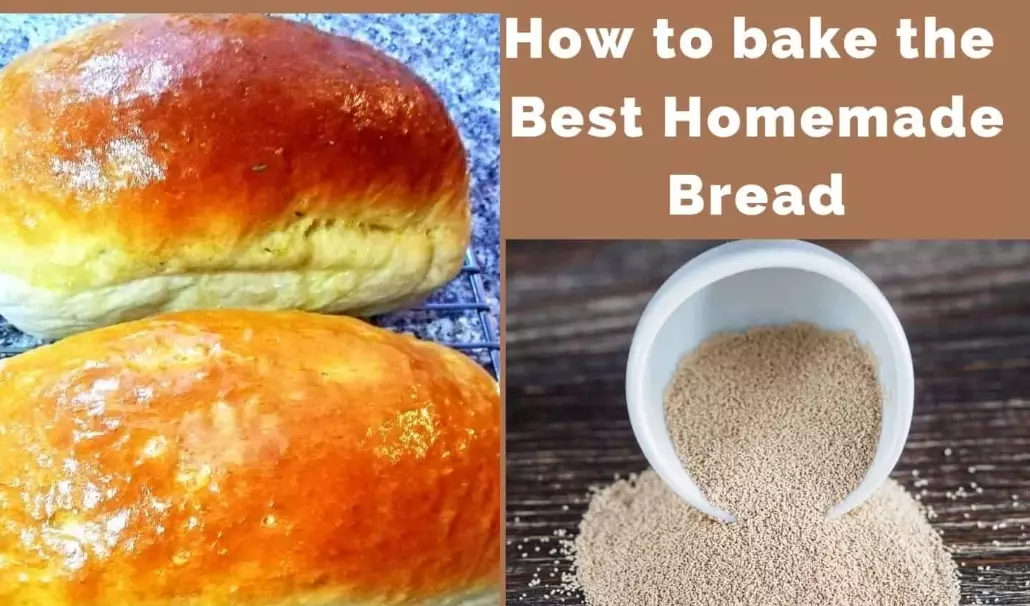
Baking and Cooling: The Final Act
Your oven needs to be hot. Really hot. 450°F (230°C) is a good starting point for a standard loaf. Preheat for at least 30 minutes, with your baking vessel inside if you're using a Dutch oven.
Steam in the first 10-15 minutes of baking is non-negotiable for a crisp, shiny crust. It keeps the dough surface moist so it can expand maximally (oven spring) before setting. At home, you have options:
- Dutch oven: The easiest method. The trapped moisture from the dough creates its own steam. Just put the shaped dough in, put the lid on, and bake.
- Oven steam: Place a metal pan on the bottom rack while preheating. When you load the bread, toss a cup of ice cubes into the hot pan. Be careful of the steam blast.
Bake until deeply golden brown. A pale loaf is an underbaked loaf. The single best way to check doneness is with an instant-read thermometer. Insert it into the bottom center of the loaf. It should read 200-210°F (93-99°C).
Now, the hardest part. You must let it cool completely. I know. It smells amazing. But slicing into a hot loaf stops the cooking process and releases steam, turning what could be a moist crumb into a gummy one. Wait at least 2 hours. Seriously. The flavor also develops as it cools.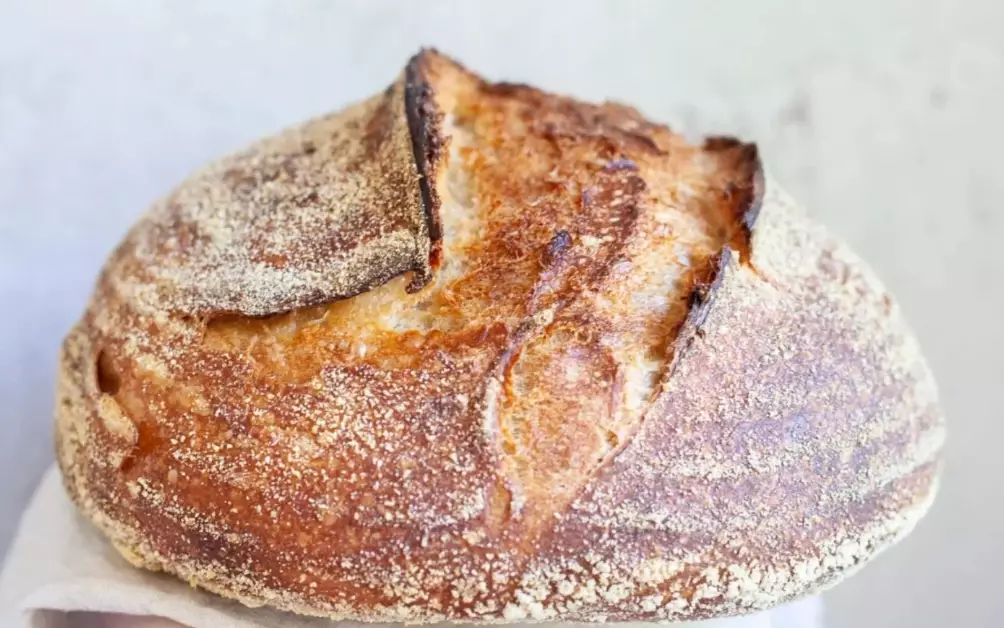
Your Bread Baking Questions Answered
Why is my homemade bread so dense and heavy?
Dense bread usually points to one of three issues. First, not enough gluten development—your dough didn't have the strength to trap gas. Second, and most common, is using too much flour during kneading and shaping, which throws off the hydration ratio. Third, the dough was under-proofed. It didn't have enough time to produce and trap sufficient gas. Next time, try the windowpane test, handle a stickier dough with wet hands or a scraper, and let it proof until it truly passes the poke test, not just until the clock says so.
My bread crust is too hard or thick. What did I do wrong?
A rock-hard crust often means too little steam during baking, causing the crust to set too early and thicken. It can also mean baking at too low a temperature for too long. Ensure you're creating steam for the first part of the bake. If you're baking free-form on a stone, try spritzing the loaf with water right before loading it into the oven. Also, verify your oven temperature with a separate thermometer—home ovens are frequently inaccurate.
Can I use all-purpose flour instead of bread flour?
You can, but manage your expectations. The loaf will be softer, with a more closed crumb, and might not rise as high. To compensate, you can add 1-2 teaspoons of vital wheat gluten per cup of all-purpose flour to boost the protein content. Or, embrace the result—it will still be delicious toast. For a chewy, open-structured artisan loaf, bread flour is worth seeking out.
 How do I store homemade bread so it stays fresh?
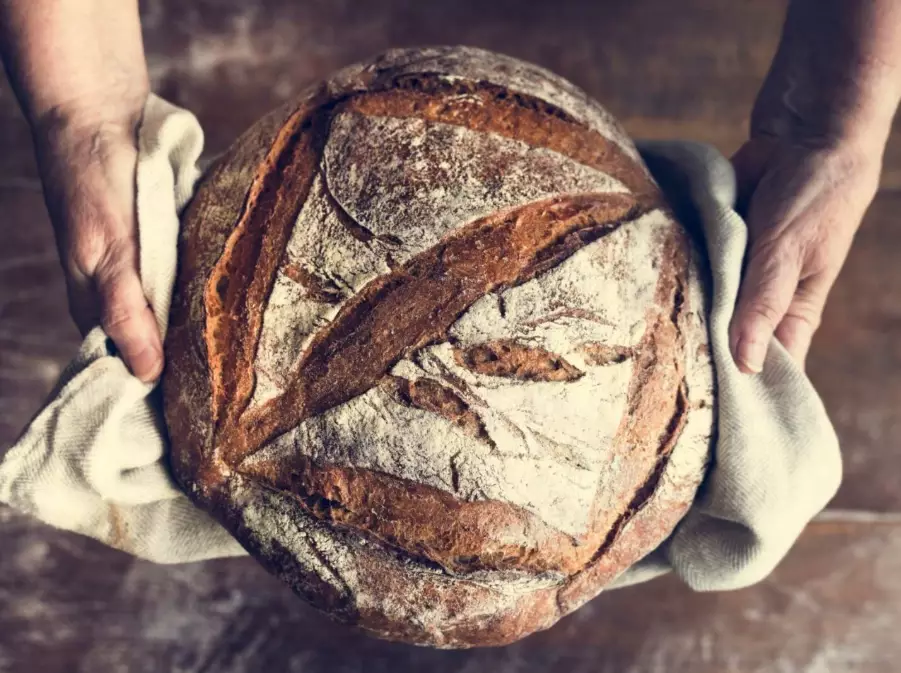
Never store bread in the refrigerator. The cold accelerates starch retrogradation (staling). For short-term (1-3 days), store it cut-side down on a wooden board or in a paper bag at room temperature. The crust will soften, but the crumb stays okay. For longer storage, slice and freeze it in a zip-top bag. You can toast slices directly from the freezer. This preserves the texture far better than refrigeration.
My dough never doubles in size during proofing. Is my yeast dead?
It's possible, but more likely your environment is too cold. Yeast is sluggish below 70°F. Try proofing in a slightly warm oven: turn the oven light on (the bulb generates a small amount of heat) or place the dough in the oven with a bowl of hot water. Also, always check your yeast's expiration date. To test it, mix a teaspoon with 1/4 cup warm water and a pinch of sugar. It should foam vigorously within 5-10 minutes.