Let's be honest. After another night of staring at the ceiling, you'll try almost anything. Coffee becomes a lifeline, and the idea of "just relax" feels like a cruel joke. I've been there. My own journey with sleep led me down a rabbit hole of supplements before I finally sat down with a seasoned Traditional Chinese Medicine (TCM) practitioner. What I learned wasn't just about taking a pill, but about understanding why sleep was elusive. Chinese medicine for sleep isn't a one-herb-fits-all solution; it's a targeted approach that's been refined for over two thousand years. It works by calming the mind, nourishing the body, and addressing the root cause of your restlessness, not just masking the symptom.
In This Article
How TCM Views Sleeplessness: It's Not Just "Stress"
In Western medicine, you often get a diagnosis of "insomnia." In TCM, that's just the starting point. The real question is: what type of insomnia? The philosophy centers on balance and the flow of Qi (vital energy). Sleep, specifically, is governed by the state of your Shen, which translates to "Spirit" or "Mind." Your Shen resides in the Heart. For peaceful sleep, your Shen needs to be calmly anchored at night.
When it's not, you get sleep problems. But why is it unanchored? TCM identifies several common patterns:
- Heart Yin Deficiency: Think of this as the Heart's cooling, nourishing fluids being depleted. Your mind races, you feel warm or have night sweats, and your sleep is light and fragmented. It's common after long periods of overwork or illness.
- Heart Fire Blazing: This is more intense. Real agitation, anxiety, vivid disturbing dreams, maybe even mouth ulcers. It feels like your mind is on overdrive and won't shut off.
- Liver Qi Stagnation: This is the classic "stress" pattern, but with a TCM twist. Frustration, irritability, feeling stuck, and sighing a lot. Your sleep is often interrupted, and you wake up between 1-3 AM (the Liver's time).
- Spleen Qi Deficiency with Phlegm Harassing: This one is sneaky. You're tired but can't sleep. Your mind feels foggy, heavy. You might overthink, and sleep is unsatisfying. It often comes from poor diet and excessive mental work.
See the difference? One person's 3 AM wake-up call is treated differently from another's light, anxious sleep. This pattern differentiation is the core strength of TCM—and what most over-the-counter sleep aids completely ignore.
Key Chinese Herbs for Sleep (And What They Actually Do)
Walking into an herb shop can be overwhelming. Here’s a breakdown of the heavy hitters for sleep, so you know what you're looking at. Remember, in practice, these are almost always combined.
| Herb (Chinese Name) | Primary Action | Best For This Pattern | Common Form |
|---|---|---|---|
| Suan Zao Ren (Sour Jujube Seed) | Nourishes Heart & Liver, calms Shen. The #1 sedative herb. | Heart Yin/Blood deficiency, anxiety, palpitations, dream-disturbed sleep. | Powder, capsules, in formulas, whole seeds for tea. |
| Fu Ling (Poria) | Drains dampness, calms Shen, strengthens Spleen. | That "tired but wired" feeling, foggy mind, palpitations from phlegm. | Sliced for decoction, powder, in almost every major formula. |
| Bai He (Lily Bulb) | Nourishes Heart Yin, clears heat, alleviates restlessness. | Recovery from illness, low-grade anxiety, dry cough with insomnia. | Dried bulbs for soup/tea, powder. |
| He Huan Pi (Mimosa Tree Bark) | Relieves stagnation, quiets the mind, lifts mood. | Insomnia from emotional upset, depression, irritability (Liver Qi Stag.). | Bark for decoction, powder. |
| Ye Jiao Teng (Fleeceflower Stem) | Nourishes Blood, calms Shen, unblocks channels. | Insomnia with numbness, poor memory, general blood deficiency. | Sliced for decoction, in formulas. |
| Long Yan Rou (Longan Fruit) | Tonifies Heart and Spleen Blood, calms. | Insomnia with fatigue, forgetfulness, pale complexion. | Dried fruit (edible), in soups, teas, formulas. |
Here's a mistake I see all the time: people buy a big bag of Suan Zao Ren powder, mix it into tea, and wonder why it's not working like a sleeping pill. It's not meant to. In TCM, it's often paired with herbs like Chuan Xiong to move blood or Zhi Mu to clear heat, creating a synergistic effect. Using a single herb is like trying to win a basketball game with only your star shooter and no point guard.
Suan Zao Ren (Sour Jujube Seed): The Sleep Star
This deserves its own spot. Modern research, including studies referenced by the National Center for Complementary and Integrative Health (NCCIH), has looked into its sedative and anxiolytic properties. But the TCM take is more nuanced. It's sweet and sour, entering the Heart and Liver channels. The sour property has an astringent quality—it helps "hold" the Shen in place. That's why it's so good for that "leaping" feeling in your chest when you try to sleep. A simple home use? Try simmering 10g of crushed seeds with 5g of dried Longan meat for 20 minutes. Drink it warm an hour before bed. It's gentle and nourishing.
Beyond Single Herbs: Classic TCM Sleep Formulas
This is where TCM shines. Formulas are precise recipes that address complex patterns. Taking a formula is like deploying a well-coordinated team.
| Formula Name (Chinese) | Key Ingredients | Targets This Pattern | What It Feels Like |
|---|---|---|---|
| Suan Zao Ren Tang (Sour Jujube Decoction) |
Suan Zao Ren, Chuan Xiong, Zhi Mu, Fu Ling, Gan Cao | Heart & Liver Blood deficiency with heat. The classic for deficient-type insomnia. | Fatigued but mind races, palpitations, dry mouth/throat, dizziness. |
| Tian Wang Bu Xin Dan (Emperor's Teapill) |
Sheng Di, Mai Men Dong, Suan Zao Ren, Bai Zi Ren, Dang Gui, etc. | Heart Yin deficiency with empty-heat. More severe Yin deficiency. | Severe restlessness, mouth sores, night sweats, poor memory, tongue red with no coat. |
| Wen Dan Tang (Warm the Gallbladder Decoction) |
Ban Xia, Zhu Ru, Zhi Shi, Fu Ling, etc. | Phlegm-heat harassing the Heart. The "overthinker's" insomnia. | Anxiety, nausea, dizziness, feeling of fullness in chest, bitter taste. |
| Gui Pi Tang (Restore the Spleen Decoction) |
Ren Shen, Huang Qi, Suan Zao Ren, Long Yan Rou, Fu Shen, etc. | Heart & Spleen deficiency. Insomnia from overthinking and fatigue. | Easy to startle, forgetful, poor appetite, pale face, palpitations from exertion. |
You can find many of these as ready-made pills (Teapills) from reputable brands. This is often the most practical way to start. But a huge warning: don't just pick the one with the prettiest box. Gui Pi Tang for someone with Heart Fire will make them feel worse. This is why that initial pattern diagnosis—ideally from a professional—is non-negotiable.
How to Use TCM for Sleep: A Practical, Safe Guide
So, you're interested. What's the next step? Let's map out a realistic path.
The Golden Rule: Consult a qualified TCM practitioner or an integrative medicine doctor. They can diagnose your pattern, suggest the right formula or custom herbal blend, and check for interactions with medications (especially blood thinners, antidepressants, or sedatives). Self-prescribing complex herbs is like doing your own dental surgery.
If you want to start gently: Focus on food and lifestyle herbs. Add Longan meat to your oatmeal. Make a bedtime tea with a small amount of Bai He and Chrysanthemum (for heat). The World Health Organization (WHO) includes many of these herbs in its traditional medicine monographs, noting their long history of use.
Dosage and Timing Matter: Most sleep formulas are taken 1-2 hours before bedtime. Taking them at 3 PM won't help you sleep at 11 PM. Follow the package directions or your practitioner's advice. More is not better.
Give it time. TCM herbs are not Ambien. They work by correcting an imbalance, which can take days to weeks. A common course is 1-3 months for a chronic issue.
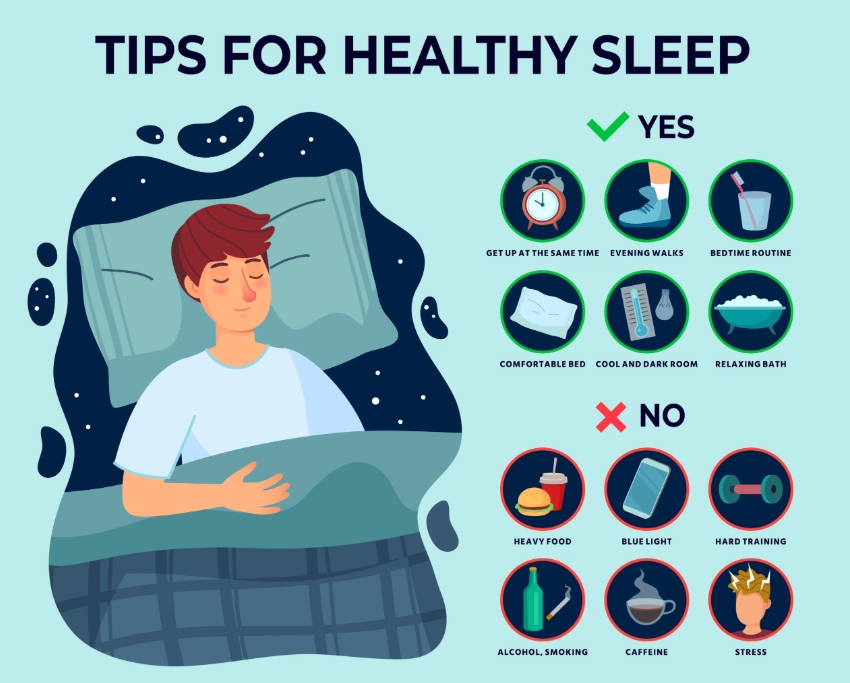
Pair it with Sleep Hygiene. No herb can overcome the blue light from your phone at midnight. Take your herbs, then create a wind-down ritual: dim lights, read a book, gentle stretching. The herbs set the stage, but you have to walk onto it.
Your TCM Sleep Questions, Answered
The bottom line? Chinese medicine offers a profound and sophisticated toolkit for sleep that goes far beyond a simple sedative. It asks "why are you awake?" and provides answers based on centuries of observation. The most effective path involves a bit of learning and, ideally, some professional guidance. Start gently, pay attention to how your body responds, and give the process the time it needs to re-establish balance. Sweet dreams.